Kathmandu, Dec 23 (V7N)- China is allegedly expanding its global surveillance footprint by exporting CCTV camera systems to dozens of countries, including Nepal, according to a recent investigative report by the Associated Press (AP).
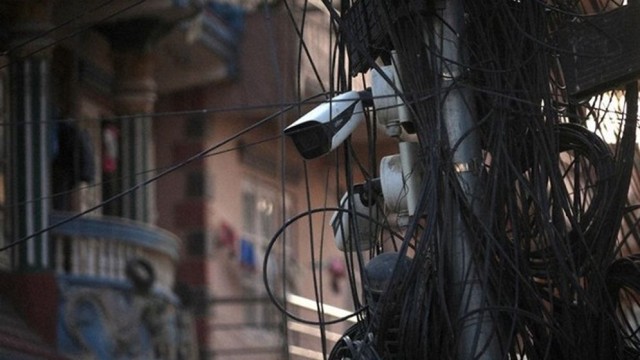
The report highlights Kathmandu, Nepal’s capital, where thousands of Chinese-made surveillance cameras have been installed across streets, intersections, and public infrastructure. These cameras are reportedly monitoring daily activities in the city, including areas surrounding the historic Boudhanath Stupa, a spiritual and cultural center for Tibetan refugees.
For decades, many Tibetans who fled China found relative safety around the Buddhist shrine. However, refugees now claim that extensive CCTV coverage—largely supplied by Chinese firms—has created an environment of constant monitoring, raising fears of surveillance targeting displaced Tibetan communities.
According to the AP investigation, Chinese technology companies have exported surveillance systems to at least 150 countries, including Vietnam, Pakistan, Kenya, and Nepal. Experts cited in the report suggest that economically vulnerable countries are drawn to the low-cost surveillance technology, which Beijing may be using to extend its political and strategic influence abroad.
Human rights and security policy expert Vijay Kant Karna told AP that China closely monitors refugee movements through data analytics, algorithms, and security infrastructure, sometimes operating directly and sometimes through host-country systems.
The report also notes that the number of Tibetan refugees in Nepal has declined sharply, falling from around 20,000 to nearly half over the past few years. While the exact reasons remain unclear, analysts say improving diplomatic relations between China and Nepal may have influenced refugee movements and monitoring practices.
The AP investigation raises broader concerns about privacy, data security, and human rights, particularly regarding how surveillance technology exported by powerful states may affect vulnerable populations in host countries.
END/SMA/AJ