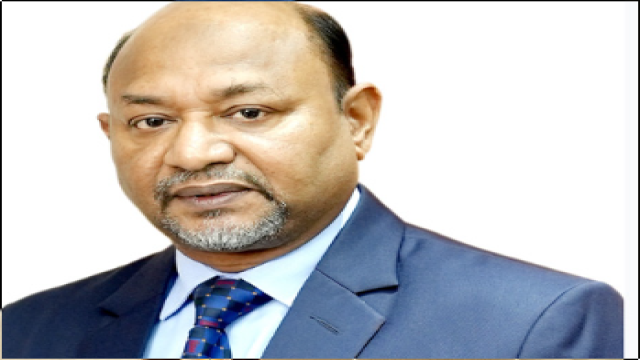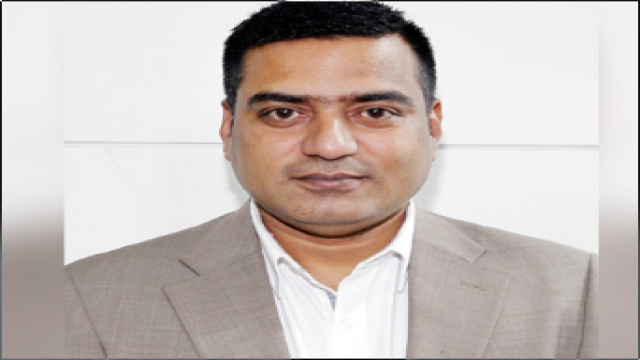
Dhaka, Nov 10, (V7N) – Press Minister at the Bangladesh High Commission in India Saidur Rahman saidTuesday that Bangladesh's mainstream media exposed their weaknesses by turning a request for issuing a new passport and National Identity Card (NID) for Sheikh Hasina into a formal application.
In a Facebook post, he criticised local media outlets for publishing reports based on foreign media coverage without proper verification, saying such a practice could never ensure sustainable media management.
He said British barrister Steven Powles KC, on behalf of London-based international law firm Matrix Chambers, sent a letter to the Bangladesh High Commission in New Delhi on November 9, requesting the issuance of a new passport and NID for Sheikh Hasina.
In the letter, the lawyers said they had learned that the former interim government and the relevant authorities had cancelled Hasina's previous Bangladeshi passport and National Identity Card. Against this backdrop, they requested the issuance of a new Bangladeshi passport and NID for her and urged the High Commission to process the request promptly, or "without delay," in accordance with Bangladesh's existing laws and obligations under international human rights instruments, read the Facebook post. The lawyer also asked the High Commission to inform them about any additional formalities and documents required to complete the process. Powles KC said that he was writing in his capacity as legal adviser to Sheikh Hasina, said Saidur.
He questioned how a request for issuing new travel and identity documents was reported by many Bangladeshi media outlets as a formal application submitted by Hasina, although the letter contained no mention of any application made by her. He also questioned how mainstream media outlets published reports with misleading headlines.
According to the Facebook post, foreign media reports had already been prepared before Matrix Chambers sent its email on the morning of November 9. Some local and foreign journalists sent him links to a Reuters report even before receiving the letter at around 9:30am on Monday. The Reuters report triggered a wave of similar coverage across Bangladeshi media outlets, with almost identical headlines, including "Sheikh Hasina applies for passport," he said.
He observed that the reports created excitement among supporters of the ousted Awami League, but when the actual contents of the letter became clear, the media outlets remained silent and disappointed.
Saidur said sensational reports such as "Sheikh Hasina applies for passport to return home" might attract temporary attention but were not a positive sign for the media in the long run. He urged Bangladeshi journalists to move away from conventional reporting based on hearsay and anonymous sources, including expressions such as "sources said," "according to sources" and "relevant sources."
Journalism driven by views rather than facts, partial information and misinformation is dangerous, he said, stressing that reporting must be based on principles, ethics and accurate information. He warned that the spread of false and misleading information could confuse people and be used to deceive them, serve political or economic interests or create disorder in society.
He said the government had already explained whether a person convicted by a Bangladeshi court was eligible to obtain a passport. The government was also making every effort to bring Sheikh Hasina back to the country through an extradition process, he added.
"When political interests take precedence in the media, journalism dies," Saidur said, adding that the unhealthy practice of paid journalism in the modern era was detrimental to the country and its people.