Dhaka, October 27, 2026 (V7N) – Two school and college students on Tuesday called for climate-resilient healthcare facilities, school-based awareness programmes and stronger community support to protect the country's children from the growing health risks induced by climate change.
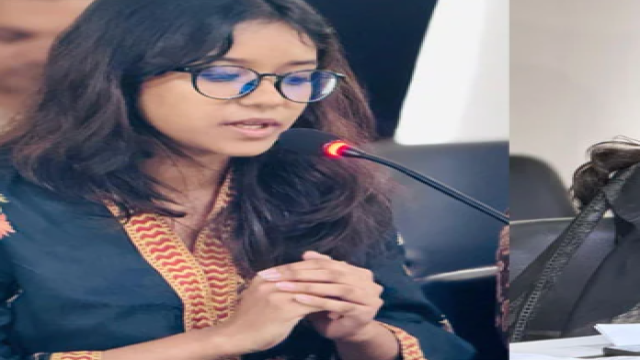
Speaking at a citizen dialogue, Zaira Rahman, a ninth-grader at Scholastica School, and Munira Islam, an eleventh-grader at Mastermind College, highlighted the disproportionate impact of heatwaves, flooding and waterborne diseases on children, particularly those living in slums.
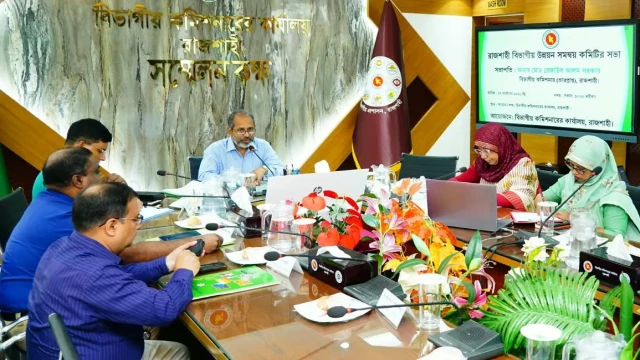
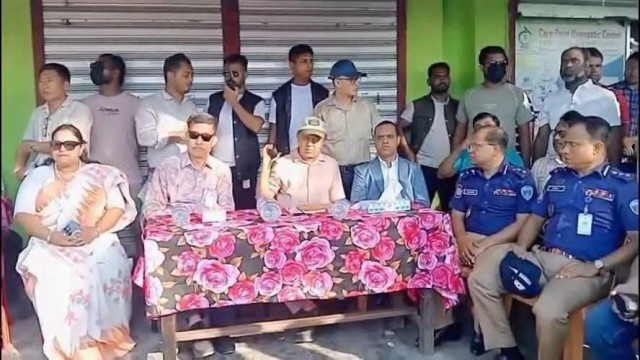
Children Watch Foundation (CWF) organised the dialogue on "Climate Change Induced Risks to Urban Slum's Child Health: Challenges and the Way Forward" at the Daily Star Bhaban in the city.
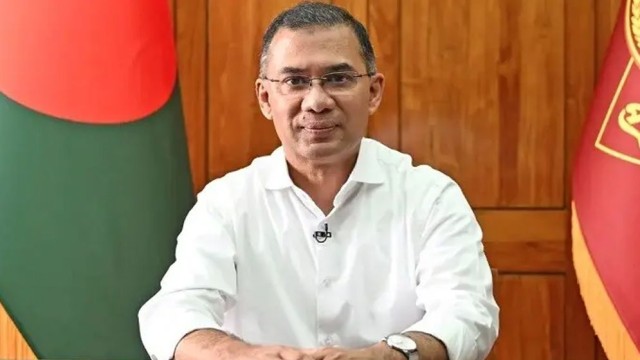
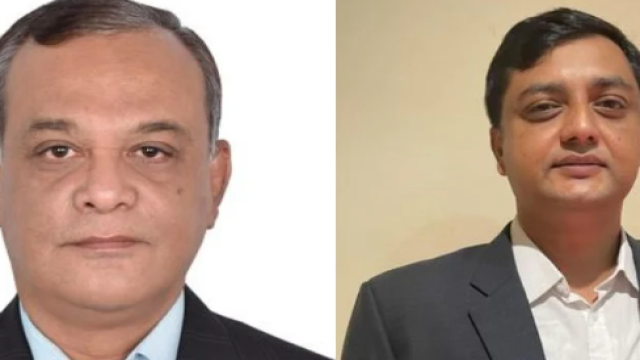
State Minister for Health and Family Welfare Dr MA Muhit spoke at the event as the chief guest, while CWF Chairman and Environmental Innovation and Research Network (EIRN) Shah Israt Azmery presented the keynote paper, with CWF General Secretary Md Jahangir Alam in the chair.
Zaira stressed the need for schools to educate children about staying safe during heatwaves and floods through engaging presentations and activities rather than scolding them. "School children should be encouraged to drink sufficient water and use oral rehydration solutions when necessary. At the same time, schools should have doctors and nurses so that children can receive immediate medical attention during heatwaves, when they may feel weak and vulnerable," she said.
Zaira said floods also create health risks for children, including exposure to mosquitoes and diseases such as dengue. Children should therefore be taught about personal hygiene and keeping their surroundings clean instead of depending entirely on adults, she added. She also called for ensuring safe drinking water in all educational institutions, noting that children in underprivileged schools often lack access to water filtration facilities.
During severe heatwaves, online classes could help prevent educational disruption, she said, adding that appropriate arrangements should be made to ensure children from disadvantaged communities do not miss their education because of climate-related disruptions. "Education is everyone's right; it is not a luxury," Zaira said.
Speaking at the event, Munira explained that floodwater reaching an adult's waist could rise to a much more dangerous level for a five-year-old child, exposing the youngest to greater risks of drowning and post-flood health complications, including dengue, dehydration and diarrhoea. Referring to the 2026 UNICEF report, she said Bangladesh's 59 million children are expected to face at least one climate hazard during their lifetime.
She called for uninterrupted access to healthcare during disasters, recommending improved drainage systems, flood-resilient community clinics and stronger health infrastructure in urban slums. Munira also proposed adapting Bangladesh's cyclone preparedness model to heatwaves and floods by mobilising community volunteers to help reach warnings to the doorsteps of people and inform families about safe drinking water, child protection and nearby healthcare facilities. She cited solar-powered clinics with round-the-clock access to safe water in coastal communities as a model that could help strengthen essential services in climate-vulnerable settlements.
Responding to the students, Dr Muhit said, "Perhaps we cannot permanently provide doctors and nurses in every school, but during those periods we can respond. We can form teams of visiting or mobile nurses and doctors to visit schools." He said the government has already announced a policy to introduce solar and renewable energy systems in hospitals, describing it as an important step towards making health facilities climate- and disaster-resilient.
Center for Sustainability and Climate Director and UNESCO Chair Professor Dr Mohammad Nurunnabi and Institute of Epidemiology Disease Control and Research (IEDCR) Chief Adviser Dr Mohammad Mushtuq Husain also spoke at the event, among others.