Rajshahi, Oct 03 (V7N) – Around 85 snakes were rescued from Rajshahi University campus and surrounding areas during the first nine months of this year, including 15 venomous and about 70 non-venomous snakes, as snake encounters have increased during the monsoon.
Rescue workers said heavy rainfall and shrinking natural habitats have forced snakes to move closer to human settlements in search of shelter. Concern has grown on campus after a student was reportedly injured by a venomous snake bite in a residential hall recently.
According to SWAN, a volunteer organisation working on wildlife and environmental issues at the university, the snakes were rescued between January and September. The venomous snakes included 12 cobras, two kraits and one Russell’s viper.
Two kraits were rescued from Shaheed Shamsuzzoha Hall, while the Russell’s viper was found outside the campus. Around 24 snakes were rescued in August and September alone.
Fahim Muntasir Rafin, a member of SWAN’s rescue team, said snakes often move towards human settlements when their natural habitats become flooded during the monsoon.
“When we receive information, trained volunteers rescue the snakes after informing the relevant Forest Department officials,” he said.
The rescued snakes are later released in uninhabited areas in consultation with the Forest Department.
Rafin urged people not to kill snakes and called for greater preventive measures on campus, including keeping residential rooms clean, installing nets on ground-floor windows and blocking possible entry points through drains.
On Sept 27, a nearly three-foot-long venomous krait was rescued from Room 138 of Shaheed Shamsuzzoha Hall early in the morning. A student staying in the room had reportedly been injured by the snake before it was rescued.
The incident has raised concerns among students about safety in university residential halls.
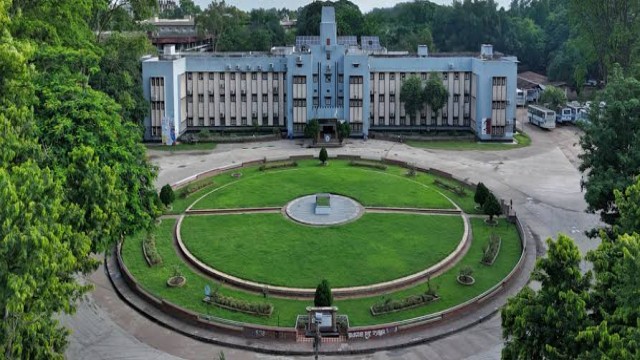
Dr Md Saiful Islam Faruqi, a professor in the Department of Zoology at Rajshahi University, said snakes may enter residential areas during the monsoon because their natural habitats become flooded and are also being reduced by human activities.
He said the university campus has ponds, bushes and forested areas that provide suitable habitats for snakes.
“Snakes should not be killed simply because they are seen. Alongside awareness seminars for students, their natural habitats should also be protected,” he said, urging anyone bitten by a snake to seek medical treatment immediately.
University Proctor Prof Dr Md Mahbubur Rahman said measures had been taken to clean areas around the residential halls and install nets on windows to improve student safety.
He said all residential halls had been alerted following the recent incident and that the university was also taking steps to control the presence of rats and other animals that serve as food for snakes.
The proctor added that arrangements were being made to ensure students receive prompt treatment at appropriate medical facilities in the event of snake bites.
END/MRA/SMA/