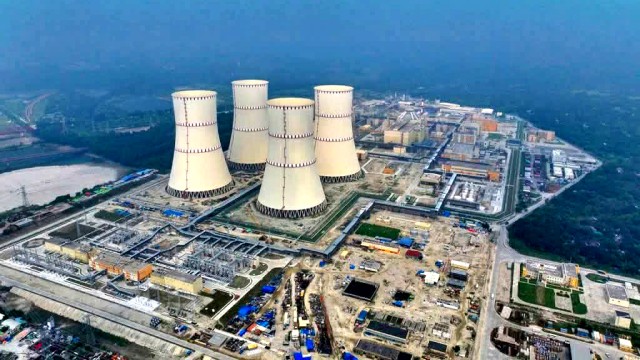
Pabna, Oct 30 (V7N) – Bangladesh has taken a significant step towards generating electricity at the first unit of the Rooppur Nuclear Power Plant, with the Bangladesh Atomic Energy Regulatory Authority (BAERA) approving the start of Stage-C, or power startup, activities.
The approval follows the completion of the required physical startup tests and will allow the plant to gradually increase reactor power, test its systems and prepare for trial electricity supply to the national grid.
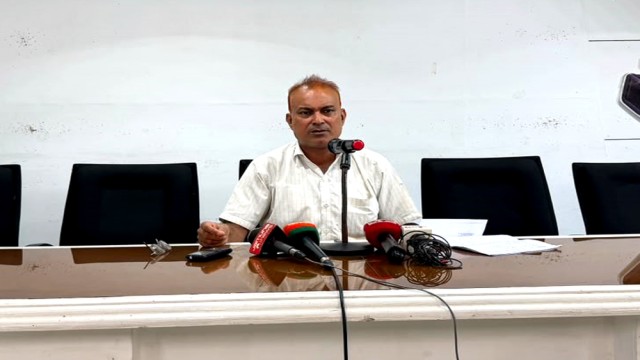
Dr Zahedul Hasan, managing director of the Nuclear Power Plant Company Bangladesh Ltd (NPCBL), confirmed the approval on Thursday evening. He said BAERA Chairman M Mahmudul Hasan had granted the necessary permission to begin power startup activities at the first unit.
Project officials said the regulatory approval completed an important stage in the process of entering the power startup phase. If testing and commissioning proceed as planned, trial electricity supply to the national grid could begin next month.
According to project sources, the required tests, including the B-2 phase physics tests under the first unit's physical startup programme, have been completed. Reports on the tests were submitted to BAERA before the authority granted permission for Stage-C activities.
Dr Zahedul Hasan said the plant had now moved beyond physical startup and entered the power startup phase. BAERA has granted the operating organisation a trial operational approval to conduct the activities at this stage.
During Stage-C, the performance of the reactor, primary and secondary coolant systems, turbine-generator, electrical equipment, instrumentation and control systems, and safety and security arrangements will be tested continuously. Engineers will also assess whether the different systems operate properly together.
The main objective is to ensure safe, stable and reliable plant operation and verify its ability to supply electricity to the national grid on a trial basis.
As reactor power is gradually increased, engineers will monitor the performance of key equipment and systems. Particular attention will be given to turbine control and protection systems, generators and associated electrical equipment under normal operating conditions.
Coordination among the reactor, turbine and safety systems will be essential throughout the process. Relevant organisations, including BAERA, the Ministry of Science and Technology, national grid operators and agencies responsible for security and nuclear emergency management, will also need to maintain close coordination.
One of the major milestones of Stage-C will be connecting the generator to the national grid. The process will assess the plant's ability to supply electricity steadily while maintaining synchronisation with the grid.
Project sources said testing would initially begin at a low reactor power level. Capacity would then be increased gradually based on test results and technical assessments.
Trial electricity supply to the national grid could begin when the reactor reaches 30 to 35 per cent of its thermal power capacity, according to the sources.
Project officials expect that, if the necessary tests are completed successfully, the first unit could supply at least 300MW of electricity to the national grid by December this year. However, the timeline will depend on test results, commissioning progress and compliance with regulatory requirements.
Officials stressed that completing Stage-C tests, beginning trial electricity supply and entering commercial operation are three separate milestones. Commercial generation can begin only after the required technical tests, commissioning activities and regulatory conditions have been fulfilled.
Even after trial electricity supply begins, testing will continue to verify the performance of the plant's various systems. Therefore, approval for power startup does not mean that commercial electricity generation will begin immediately.
The Rooppur Nuclear Power Plant has two units, each with an installed generation capacity of 1,200MW. Once both units become fully operational, the plant will have a combined capacity of 2,400MW.
The project is expected to increase Bangladesh's electricity generation capacity, strengthen energy security and expand the country's expertise in nuclear technology. Once commercial nuclear power generation begins, Bangladesh will join the group of countries producing electricity from commercial nuclear power plants.
The Rooppur plant is being built using Generation III+ technology. The design life of the country's first nuclear power plant has been set at 60 years.
The original project deadline was December 2025. Following two extensions, the completion date has been revised to June 2028.
According to project information, the overall cost has increased due to factors including changes in the exchange rate and other financial considerations. The current estimated project cost stands at Tk 1 lakh 38 thousand 686 crore.
END/MSR/SMA/