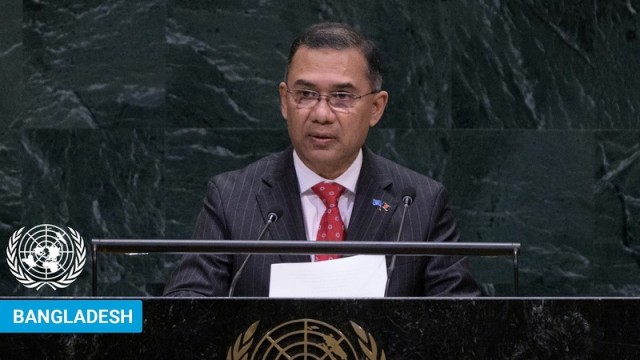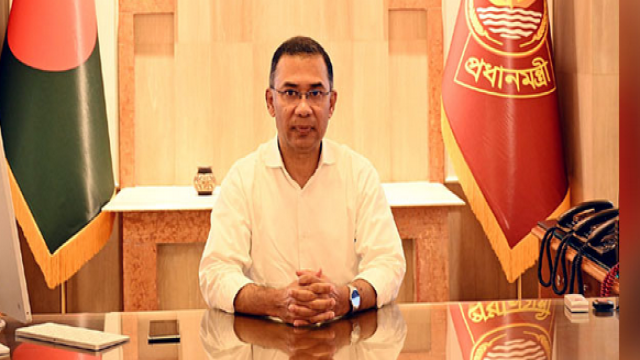
DHAKA, June 20, (V7N) — Prime Minister Tarique Rahman today stressed the need for coordinated and organized efforts by all stakeholders to tap into Bangladesh’s maritime potential, with national interests as the top priority.
In a message ahead of World Hydrography Day 2026, the prime minister said the government is already working toward this goal. He noted that such collective action can help build a prosperous, self-reliant, and strong Bangladesh, with the blue economy emerging as a major driver of future growth.
Rahman said that in the 21st century, the ocean is more than a geographic boundary. It serves as a key pillar for economic growth, trade links, energy security, environmental stability, and national strategic capacity. He commended the move to observe World Hydrography Day 2026 with seriousness and professionalism.
He welcomed this year’s theme set by the International Hydrographic Organization — “Transforming How Ocean Data is Shared” — calling it timely and relevant. Modern, secure, and accurate exchange of ocean data, he said, is not just a sign of technological progress but is vital for protecting national interests, securing economic independence, strengthening maritime security, and boosting strategic capability.
Fast and reliable information sharing, the premier added, ensures safer navigation, helps prevent accidents, protects the marine environment, and supports sustainable management of sea resources.
Bangladesh’s large maritime zone, Rahman said, is not only geographic space but a core foundation of the country’s economic strength, sovereignty, and future prosperity. The area holds vast natural resources, biodiversity, and commercial opportunities.
He highlighted the Bangladesh Navy’s hydrographic work as essential for safe sea routes, accurate seabed mapping, and planned coastal development. These efforts cut navigational risks, improve port operations, and speed up maritime economic growth, he said.
The government remains committed to safeguarding marine resources, ensuring maritime security, and advancing the blue economy, the prime minister stated. “We are determined to maximize the use of marine resources while preserving national interests,” he said.
To achieve this, he noted, steps are being taken to modernize hydrographic work, adopt advanced technologies, digitize information systems, and deepen international cooperation.
Digital hydrography, geospatial data management, and automated information technologies are creating new opportunities in the sector, Rahman said. He also underscored the need to build skilled manpower, expand research and innovation, and strengthen tech-based institutional capacity.
Public and private sectors must work together, he said, with more training, education, and global cooperation to develop a workforce skilled in hydrographic surveying, data analysis, and information management.
The prime minister extended his best wishes for the success of all programs marking World Hydrography Day 2026.
END/AJ/RH