Dhaka, Dec 07 (V7N)- Chief Advisor Professor Muhammad Yunus has expressed deep concern over the presence of various harmful chemicals in food and called on all relevant authorities to work together to address the public health risk.
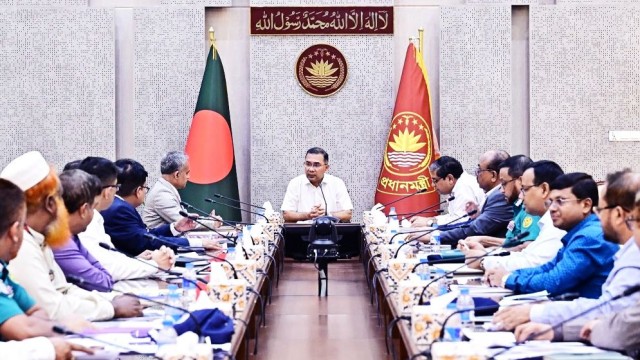
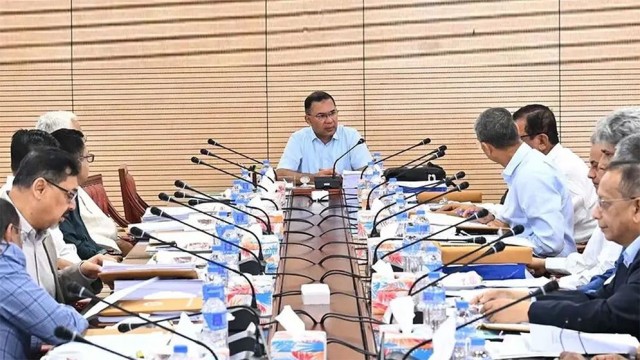
The meeting was held at the State Guest House Jamuna on Sunday afternoon under the chairmanship of the Chief Advisor. Officials from multiple ministries, agencies, and regulatory bodies attended, including Agriculture and Home Affairs Advisor Md. Jahangir Alam Chowdhury, Food Advisor Ali Imam Majumder, Health Advisor Nurjahan Begum, Fisheries and Livestock Advisor Farida Akhtar, and representatives from Bangladesh Standards and Testing Institution (BSTI), Bangladesh Food Safety Authority (BFSA), and the National Consumer Rights Protection Directorate.
Professor Yunus said, “We know about the existence of various contaminants in food; we have to take measures to deal with it. Our children, parents, and relatives are all victims. We must work together to address this crisis. After discussing implementation aspects, we will prioritize urgent actions and start immediately.” He instructed all concerned authorities to submit written proposals within a week detailing the necessary steps to tackle food contamination.
During the meeting, the Bangladesh Food Safety Authority presented alarming statistics from global and national studies. According to the World Health Organization, one in ten children suffers from foodborne diseases each year, and one-third of affected children die. Every year, foodborne diseases impact 600 million children globally and 30 million in Bangladesh.
The Food Safety Authority highlighted four major types of food contaminants: heavy metals, pesticide-biocide residues, radioactivity, and biocontaminants. Out of 1,713 samples tested last fiscal year and 814 this year, excessive lead levels were found in 22 out of 180 samples.
A joint study by Sher-e-Bangla Agricultural University, Bangladesh Agricultural University, and UMEA Sweden detected 300 types of medicines, 200 types of pesticides, and 16 types of PFAS in water and fish samples across the country. A UNICEF survey revealed that 35 million children in Bangladesh are affected by lead exposure. BFSA Chairman Zakaria said, “Lead accumulates in the brain, liver, kidneys, bones, and teeth. Since children’s bones are soft, lead directly affects brain development, hampering mental growth.” The study also found lead infection in 5 percent of pregnant women.
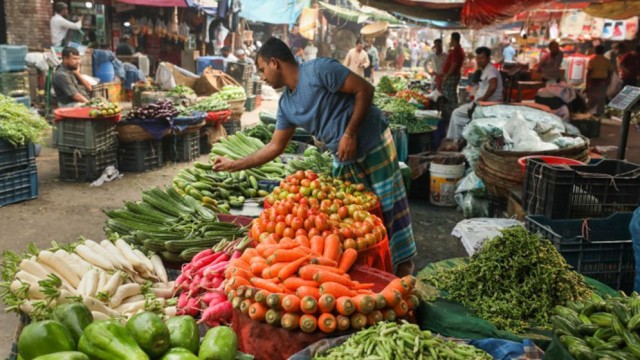
Officials from the Ministry of Food and Agriculture discussed harmful substances entering the human body through poultry, dairy products, and fish, noting that uncontrolled use of antibiotics and illegal pesticides in poultry farms and agriculture poses serious risks.
Food Advisor Ali Imam Majumder emphasized the need for public awareness, saying, “While ensuring adequate food, the safety of what we eat is often ignored. Media can play a crucial role in creating awareness. Food safety is a critical issue, and these topics should be included in textbooks.”
The meeting concluded with a commitment to urgent initiatives to protect public health and ensure food safety in Bangladesh.
END/SMA/AJ