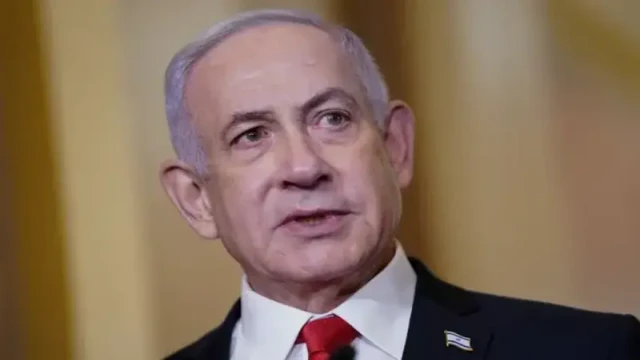
Mar 30 (V7N) – Israeli Prime Minister Benjamin Netanyahu stated on Monday that the ongoing war against Iran has achieved more than half of its goals, but declined to provide a specific timeline for its end.
In an interview with conservative US broadcaster Newsmax, Netanyahu said the war had progressed “beyond the halfway point,” but clarified that this referred to the mission objectives rather than the length of the conflict. He emphasized that progress was being made in terms of military goals, not necessarily the duration of the operation.
When the war began on February 28, President Donald Trump had initially estimated the conflict would last for four to six weeks. However, Secretary of State Marco Rubio indicated that the war would likely extend for weeks more, and that it would not stretch into months, despite growing public opposition in the United States, particularly as oil prices soar due to the conflict.
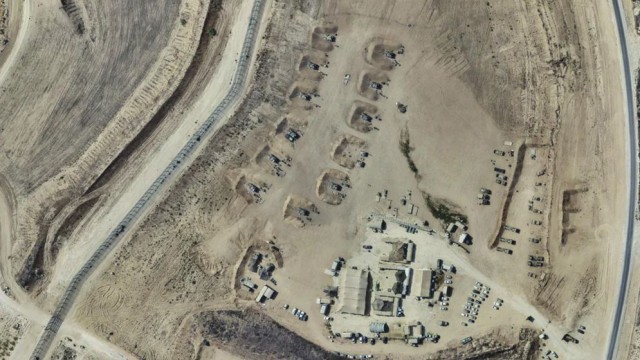
Netanyahu outlined several significant achievements of the war, including the killing of thousands of members of Iran's Revolutionary Guards and progress in destroying Iran’s military infrastructure. He further claimed that Israel and the US were "close to finishing" Iran’s arms industry, referring to the destruction of industrial plants and Iran’s nuclear program.
Both Netanyahu and Trump have long alleged that Iran was nearing the development of a nuclear weapon, despite UN nuclear watchdog reports that do not support this claim. Netanyahu reiterated that the goal of the war was to eliminate Iran's military, missile, and nuclear capabilities, rather than to bring down the regime.
Netanyahu expressed confidence that Iran’s Islamic Republic would eventually collapse internally, although he clarified that regime change was not the immediate objective of the war. Instead, he said the goal was to weaken Iran from within by degrading its military capacity and missile capabilities.
The war began in the aftermath of mass anti-government protests in Iran, which were violently suppressed by Iranian authorities, with thousands killed. In recent days, Trump has suggested that the war had effectively led to regime change, claiming that it had empowered other figures within the clerical regime who might be more open to negotiations.
As the conflict stretches on, US public opinion has turned increasingly negative, especially with the dramatic rise in oil prices. Rubio’s comments reflect concerns about the prolonged duration of the war and its growing economic impact.
The international community remains divided, with many countries concerned about the humanitarian consequences of the ongoing hostilities, as well as the potential for the war to escalate further. Despite the US-Israel alliance’s claims of progress, the future of the conflict remains uncertain, with widespread implications for regional stability and global energy markets.
END/WD/RH/