USA, Mar 23 (V7N) – The Conservative Political Action Conference (CPAC) kicks off this week near Dallas, drawing a high-profile crowd of Republican figures and international allies as the stakes rise amid the ongoing conflict in Iran and mounting concerns about the upcoming midterm elections.
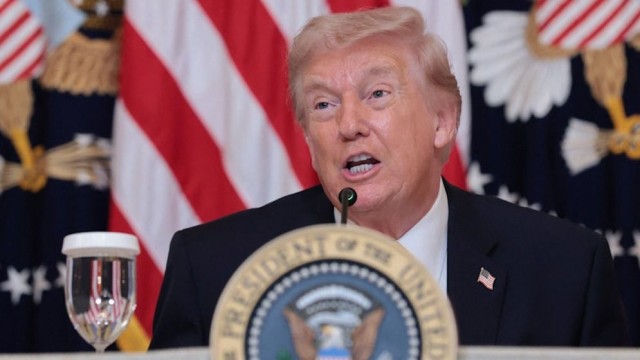
For four days, CPAC will serve as the central hub for conservative political discourse, with former President Donald Trump once again expected to dominate the event. His keynote speech on Saturday will likely serve as a rallying cry and directional signal for the party’s future, as he remains the central figure in the Republican ecosystem.
However, this year's gathering comes with added geopolitical urgency. Exiled Iranian crown prince Reza Pahlavi is making waves as a key speaker, positioning himself as a transitional leader in the wake of the ongoing war and the death of Iran's supreme leader. His appearance underscores the hawkish mood permeating much of the conference, particularly as the Iran conflict deepens. Pahlavi’s call for regime change resonates with many CPAC attendees, framing the event as a critical moment for foreign policy discussions.
CPAC organizers have described the event as the "culmination of a year spent strengthening alliances, elevating new voices, and reinforcing the message that freedom begins -- and must be protected -- here at home." However, the timing of the conference is politically fraught for Republicans. With the midterm elections just months away, there are growing fears of a tough campaign season, as the party faces economic headwinds and the prospect of a protracted war in Iran that could further complicate its chances of retaining control of Congress.
The ongoing war, now in its fourth week, is expected to dominate discussions at CPAC, particularly in relation to energy security, America's global role, and the party’s approach to foreign policy. Republicans are bracing for potential fallout from the conflict, which could further undermine their slim control of the Senate and contribute to losses in the House of Representatives.
CPAC is also shadowed by controversy surrounding the release of files linked to convicted sex offender Jeffrey Epstein. The presence of former Trump strategist Steve Bannon as a featured speaker has drawn scrutiny due to his past connections with Epstein, though Bannon has not been accused of any wrongdoing. Despite these distractions, CPAC remains a critical platform for shaping conservative priorities as the party prepares for November’s elections.
In terms of content, CPAC continues to serve as a showcase for the diverse and often divided currents within today’s conservative movement. Last year’s event was marked by a focus on "woke indoctrination" and a strong "Make America Great Again" (MAGA) identity, with speakers like Hungary’s Viktor Orban and Brazil’s Jair Bolsonaro representing a growing strain of populist nationalism within the right-wing global movement. This year, alongside Trump and Pahlavi, figures like Texas Senator Ted Cruz, who will focus on hardline messages about Iran and border security, are expected to draw attention. Meanwhile, Deputy Attorney General Todd Blanche will discuss legal and national security strategies.
Emerging voices also have a platform at CPAC, with North Carolina Senate candidate Michael Whatley expected to hone the party’s midterm messaging around election integrity and turnout. On the fringes, far-right figures like YouTuber Nick Shirley, known for controversial claims about election fraud, are part of the growing ecosystem of influencers seeking a louder voice within the movement.
As the gathering unfolds, CPAC will provide a key moment for conservatives to solidify their messaging and strategies, especially as they head into a contentious election season, all while navigating the complexities of a global conflict and the shifting political landscape at home.
END/WD/RH/