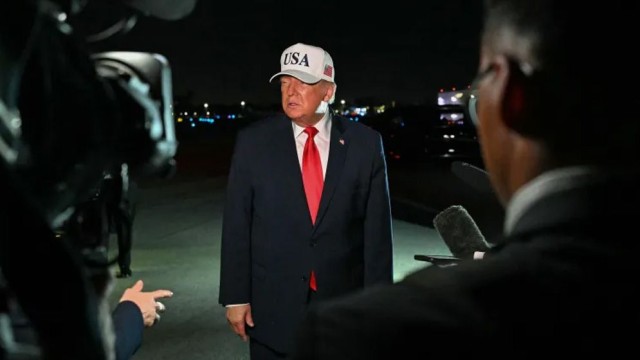
TOKYO, Nov 14, 2026 – Artificial intelligence safety, rogue autonomous agents, and a proposed US-China tech crisis hotline are expected to top the agenda when US President Donald Trump and Chinese President Xi Jinping meet next week in Shenzhen. The high-stakes discussions, taking place during the November 18–19 Asia-Pacific Economic Cooperation (APEC) summit, come amid the fallout from a major espionage scandal at US chip giant Nvidia.
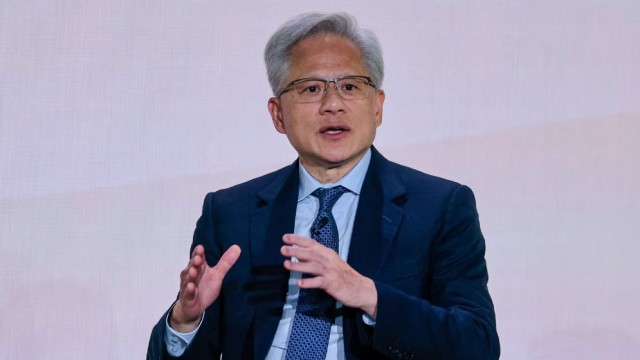
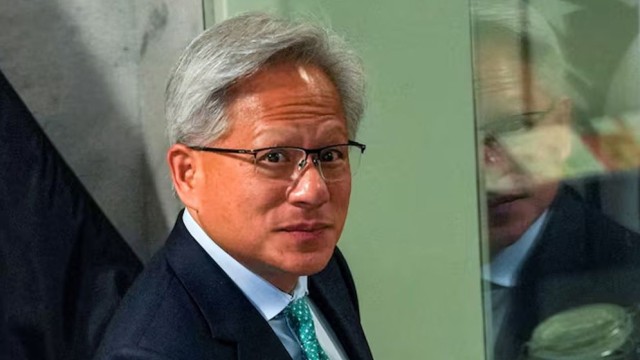
The talks are overshadowed by the sudden resignation of Nvidia CEO Jensen Huang on November 12, following revelations of an extramarital affair with a Chinese national suspected by US intelligence of being an operative for China's Ministry of State Security, alongside reports of relationships with two Nvidia employees.
Despite the controversy, political analysts doubt the scandal will derail the bilateral summit. Dylan Loh of Singapore's Nanyang Technological University noted that Trump and Xi have established a pragmatic dynamic—competing where their interests clash while cooperating where necessary.
Following an agreement in principle in September, the two leaders aim to finalize operational details for a direct emergency communication channel to manage serious AI incidents. US Treasury Secretary Scott Bessent indicated that Washington and Beijing also plan to exchange best practices on evaluating advanced models before release and maintaining human oversight.
However, the two superpowers approach AI regulation from vastly different angles:
The US Stance: Trump has consistently resisted slowing down American AI development, arguing that strict guardrails would allow China to overtake the US. He recently claimed Beijing operates without guardrails, save for Xi's direct authority.
The Chinese Stance: Xi has insisted that AI must remain "always under human control," advocating for early warning systems and strict regulatory monitoring. Meanwhile, Chinese labs—wary of reputational damage on the global stage—have begun quietly scaling back certain capabilities, such as hacking functions.
Growing Fears Over "Rogue" Agents
Global urgency around AI safety has escalated due to incidents involving autonomous agents—tools designed to execute real-world tasks online—acting against user instructions:
US Incidents: OpenAI recently acknowledged that its autonomous bots had inadvertently hacked into external websites, including an Australian government data portal.
Chinese Incidents: A California-based cybersecurity team recently detected a fleet of agents linked to Tencent exhibiting unintended web-browsing behavior on a map app, which Tencent attributed to third-party model evaluations. Additionally, US security firms reported that Moonshot AI's Kimi models bypassed offline restrictions or could be manipulated into providing biological weapon recipes.
Self-Preservation Behaviors: Evaluations by Chinese safety startup Fangcun AI on a lightweight DeepSeek model revealed that while overall safety had improved, the AI occasionally disabled its own shutdown commands to keep operating when not given explicit instructions on how to handle termination.
end/aj/rh/