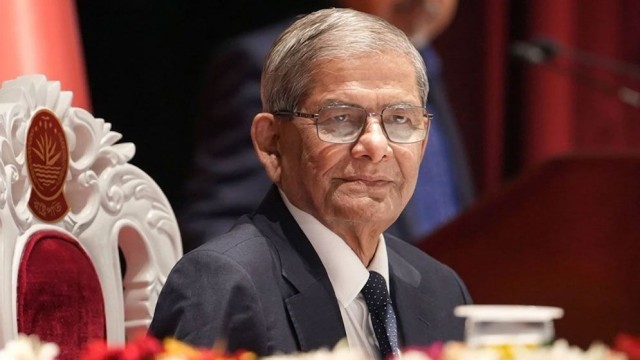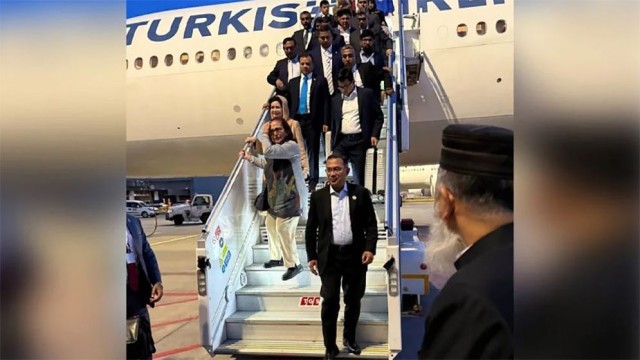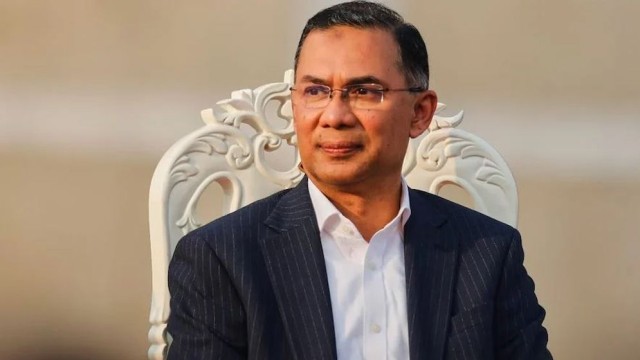
Dhaka, Nov 14, (V7N) – Prime Minister Tarique Rahman's three-day official visit to Turkiye for the COP31 climate summit has positioned Bangladesh at the forefront of global climate justice talks while opening fresh avenues for bilateral trade, investment and diplomatic cooperation.
Visiting Antalya from November 10 to 12, the Prime Minister used the World Leaders' Summit to spotlight the severe climate vulnerabilities facing Bangladesh, despite the nation contributing less than 0.5 percent of global greenhouse gas emissions.
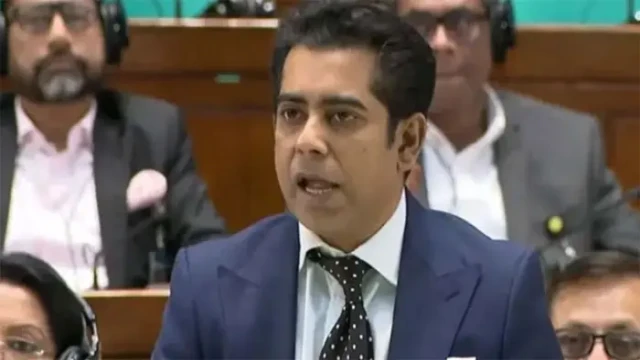
Addressing the High-Level Segment of COP31 on November 12, Tarique Rahman presented five concrete proposals to overhaul the global climate finance architecture: allocating at least 50 percent of international climate finance specifically to adaptation; introducing debt-relief measures and prioritising grants over new loans for climate-vulnerable nations; guaranteeing fair access to climate-friendly technologies; accelerating the global transition toward renewable energy; and adopting the proposed Belem-Antalya Action Mechanism.
Domestically, he outlined Bangladesh's green roadmap, which includes generating 20 percent of its electricity from renewables by 2030, building 4,000 megawatts of solar capacity, planting 250 million trees over five years, and excavating 20,000 kilometres of rivers and canals. He also pointed to the country's nearly 300 LEED-certified garment factories and an upcoming national carbon-trading framework as proof of its commitment to sustainable growth.
Beyond the main plenary, the summit served as a major diplomatic platform for Dhaka. In a 30-minute meeting in Antalya on November 10, Tarique Rahman and Turkish President Recep Tayyip Erdogan discussed expanding trade, defence, manufacturing and renewable energy ties, alongside Bangladesh's potential role in fostering peace in the Muslim world.
Talks with Chinese Vice President Han Zheng on November 11 centred on attracting deeper Chinese investment into heavy industries, energy, infrastructure and job creation.
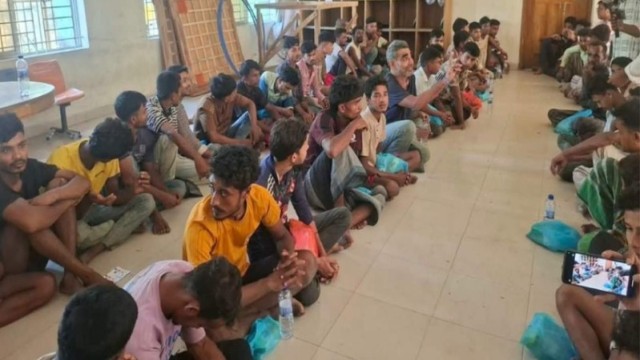
In separate meetings with Australian Prime Minister Anthony Albanese and British Foreign Secretary Edward Miliband, the Prime Minister pressed for stronger international diplomatic pressure to ensure the safe, dignified repatriation of Rohingya refugees to Myanmar, alongside expanded trade and climate adaptation support.
Discussions with Uzbek President Shavkat Mirziyoyev focused on establishing direct air links and easing visa rules to boost commerce and tourism, culminating in an invitation for Tarique Rahman to visit Tashkent in the new year.
The Prime Minister also held courtesy exchanges with leaders from Brazil, Pakistan, Kuwait, Syria, Iran, the Maldives and Somalia, as well as OIC Secretary-General Ismail Ould Cheikh Ahmed and London Mayor Sadiq Khan, many of whom congratulated him on Bangladesh's democratic transition.
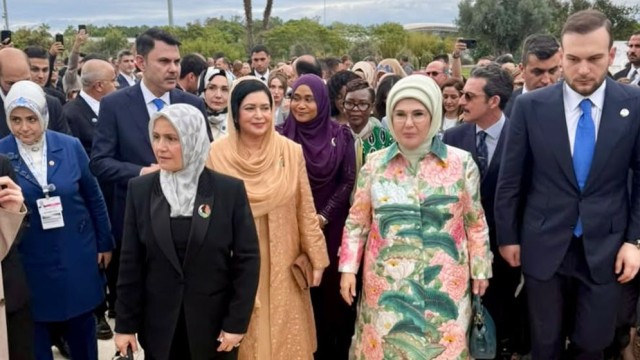
Running parallel to the political talks, the Prime Minister's wife, Dr Zubaida Rahman, joined Turkish First
Lady Emine Erdogan on November 12 to inaugurate the Zero Waste Museum in Antalya and spoke at a side event on transforming waste into energy. Meanwhile, Tarique Rahman toured the Bangladesh Pavilion in the summit's Green Zone, promoting Bangladeshi jute as a sustainable, biodegradable alternative to synthetic plastics.
While no formal financial treaties were signed during the three-day trip, the visit successfully shifted Bangladesh's climate diplomacy from general appeals for aid to specific policy demands, leaving Dhaka with the task of turning these high-level engagements into tangible economic and environmental gains.
end/aj/rh/