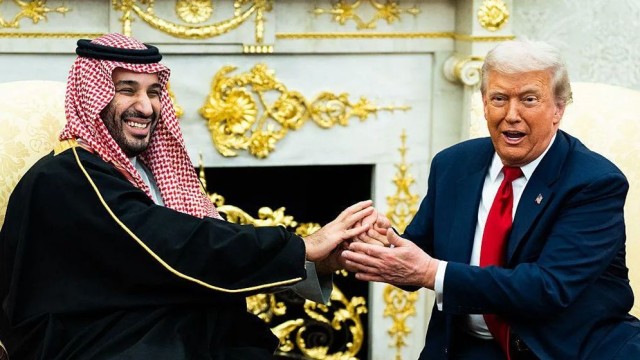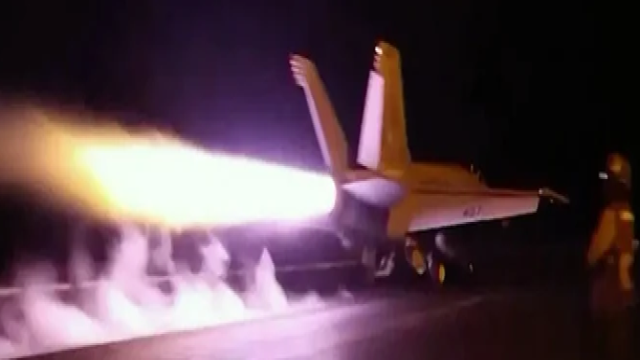
WASHINGTON, July 24, (V7N)– US President Donald Trump on Thursday threatened Yemen's Houthi rebels with "major military punishment" after they launched missile and drone strikes on oil tankers in the Red Sea, while also announcing a landmark nuclear deal with Saudi Arabia contingent on Riyadh normalising relations with Israel.
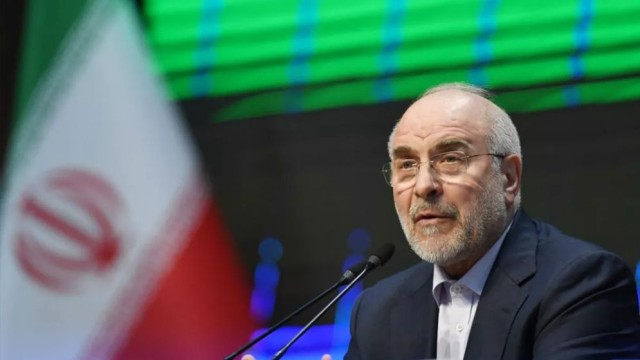
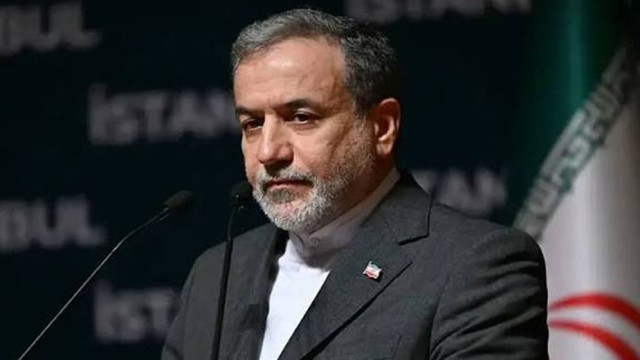
"The U.S. will hold Iran responsible, in that the Houthis are a Surrogate and/or Proxy of Iran, and major military punishment will be inflicted upon Iran and, of course, the Houthis themselves" should the rebels launch further attacks, Trump said on Truth Social.
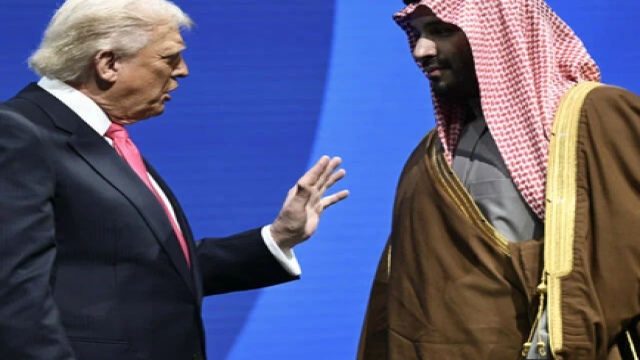
The nuclear deal, announced jointly by the United States and Saudi Arabia, would establish a civilian nuclear programme in the kingdom—a move that could generate billions for American companies but has raised proliferation concerns in a region already battered by war. Trump emphasised that the deal "will be approved, but is totally subject to Saudi Arabia joining the very respected and successful Abraham Accords."
One provision, according to the Wall Street Journal, would potentially see US companies build a uranium enrichment facility in Saudi Arabia—though Trump insisted "there will be no enrichment of material!" The text of the deal was not immediately made public.
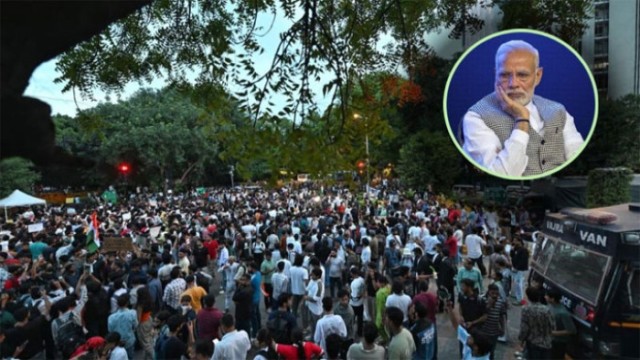
US Energy Secretary Chris Wright dismissed proliferation concerns, insisting the deal upholds "the highest standards of nuclear safety and nonproliferation." However, critics including left-wing Senator Bernie Sanders called the move "absurd," noting Saudi Arabia's human rights record. US Secretary of State Marco Rubio said any agreement would have "safeguards in place to ensure that it can't be turned into a weapons programme."
Experts noted that the deal had been in the works for some time. Matthew Kroenig of the Atlantic Council warned before the announcement that allowing Saudi enrichment "would be a mistake," while Jennifer T. Gordon of the same think tank called the agreement a "win for the United States over Russia and China."
Policymakers have long feared that if Iran produced a nuclear weapon, it would set off an arms race across the Gulf. Saudi Arabia has long insisted on its right to a civilian nuclear programme and last year signed a mutual defence pact with nuclear-armed Pakistan. The deal will be submitted to Congress for review, but the Republican-controlled legislature is unlikely to block it.
END/WD/RH/