Rajshahi, Sept 17 (V7N) – Scabies, a contagious skin disease, has reportedly increased sharply in Charghat upazila of Rajshahi, with students at madrassas and orphanages as well as women among those affected in significant numbers.
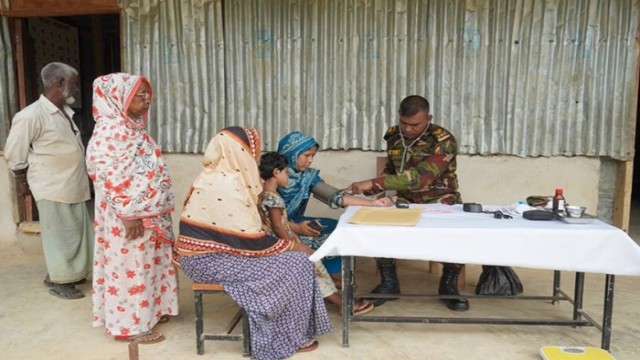
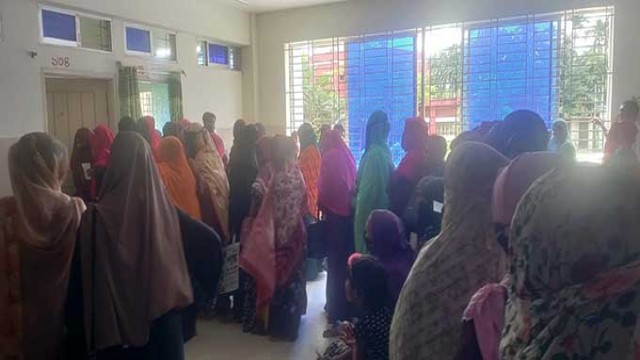
More than 50 patients of different ages are now seeking treatment for scabies at Charghat Upazila Health Complex on average each day, according to hospital sources. Some patients are also visiting the outpatient department of Rajshahi Medical College Hospital for advanced treatment.
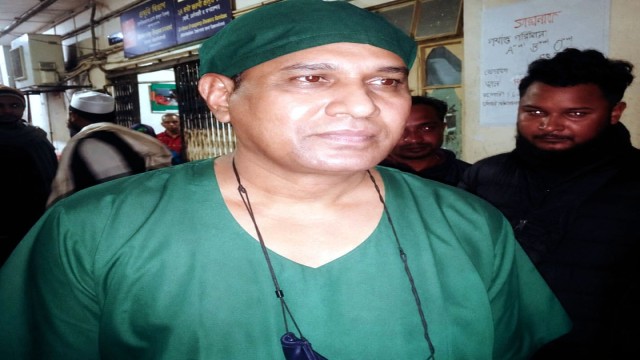
Dr Milton Kumar, Resident Medical Officer at Charghat Upazila Health Complex, said scabies occurs periodically but its prevalence tends to increase with changes in weather.
“As scabies is a contagious skin disease, people are advised to maintain cleanliness in their living spaces, particularly homes, hostels, messes and workplaces,” he said.
According to local sources, infections have increased among students of madrassas, orphanages and other educational institutions, as well as among women.
Previously, around 10 to 15 scabies patients visited the upazila health complex each day. The number has now risen to more than 50 a day on average, they said.
Some patients have expressed concerns that the effectiveness of antibiotics and other medicines has decreased since they received COVID-19 vaccines. They have also questioned whether any adverse effect of COVID-19 vaccination could be linked to the reported increase in scabies cases. However, such claims have not been established as a cause of the outbreak.
Several women receiving treatment, including Lutfunnesa, Rabeya and Sumi from the Raipur area, said they initially experienced mild itching, but the condition spread across their bodies within a few days.
They said various creams, lotions and tablets had failed to provide relief.
Other patients, including Sabina, Hawa Begum, Robiul Islam and Sumon Ali, also claimed that they had developed such health problems after receiving COVID-19 vaccines. These claims remain unverified.
Dr Milton said patients of all ages, including children, were visiting the outpatient department with scabies, although the number of affected children was comparatively low.
He said a review of patients’ medical histories showed that a significant number of cases were among students living in crowded residential madrassas and hostels.
“When one member of a family develops scabies, they often ignore the initial itching and do not seek treatment. By the time they seek medical attention, other family members may also have become infected,” Dr Milton said.
He added that some patients become reinfected because they do not complete the prescribed course of treatment.
“Lack of awareness is creating difficulties in controlling scabies. Since the disease spreads through skin contact, it can easily be transmitted from one person to another,” he said.
Dr Milton advised families to follow the prescribed treatment properly and said that when one family member is diagnosed with scabies, other household members should also seek medical advice regarding treatment. He also stressed the importance of keeping homes and surrounding areas clean to help prevent further transmission.
END/MRA/SMA/