

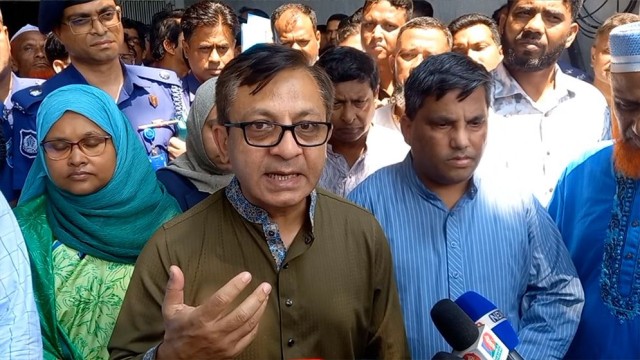
MAY 09 (V7N) - The revitalization of Bangladesh’s industrial sector has taken a significant step forward with the government's formal commitment to reopening closed state-owned sugar mills. Speaking at a view-exchange meeting at Panchagarh Sugar Mills Limited, Industries, Commerce, Textiles, and Jute Minister Khandakar Abdul Muktadir emphasized that the restoration process will be guided by the dual priorities of commercial viability and the welfare of stakeholders. This policy shift aims to transform these stagnant assets back into productive units that can stimulate local economies and provide a stable income for thousands of sugarcane farmers and industrial workers. By framing the mills as "assets of the people," the government is signaling a move toward more transparent and effective management of public industrial resources.
The Minister’s address highlighted the significant technical and structural hurdles that must be overcome to bring these decades-old institutions back to life. Many of the country's sugar mills were established 50 to 70 years ago, leaving them equipped with obsolete machinery and inefficient production processes. To address this, the government is planning a tiered approach to revival, which includes the installation of modern technology, extensive infrastructural renovations, and the development of alternative operational models where traditional crushing is no longer feasible. The goal is to move away from the "limitations" that plague current operating mills and establish a technologically upgraded sector capable of long-term profitability in a competitive market.
Beyond the immediate goal of sugar production, the reopening of these mills is viewed as a strategic intervention for poverty reduction and rural development. Minister Muktadir noted that a functioning factory acts as an economic engine, creating a "multidimensional" web of activities that extends far beyond the factory gates. By increasing cash flow in rural areas like Panchagarh and activating local supply chains, the government hopes to create a surge in employment that provides a sustainable path out of poverty for local communities. The presence of high-level officials from the Bangladesh Sugar and Food Industries Corporation (BSFIC) and the Ministry of Industries at the meeting underscores the administrative weight being thrown behind this revitalisation effort.
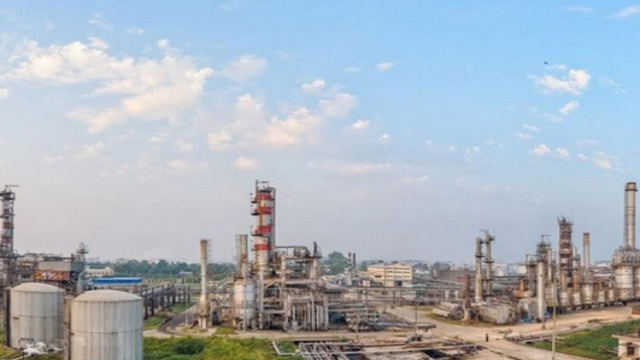
Panchagarh Sugar Mills Limited, which served as the backdrop for this announcement, embodies the history and potential of the sector. Established in the late 1960s with a daily crushing capacity of 1,016 metric tons, the mill represents a legacy of industrialization that has faced significant decline in recent decades. The involvement of local representatives, including lawmaker Barrister Muhammad Nowshad Zamir and district administrators, suggests that the success of these reopening efforts will depend on a collaborative effort between central policy and local execution. As the government advances its industrial agenda, the focus remains on ensuring that these historic institutions can once again contribute to the national economy while securing the livelihoods of those who have sustained them for generations.
END/AJ/RH/
















Comment: