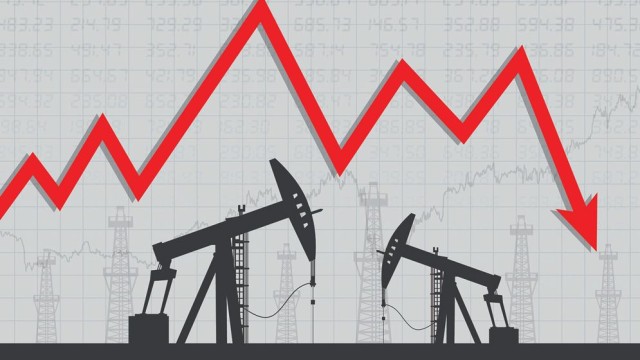
Dhaka, Jan 01 (V7N) – The year 2025 ended with significant challenges for Bangladesh’s economy, as inflation, investment stagnation, and rising poverty continued to affect public life.
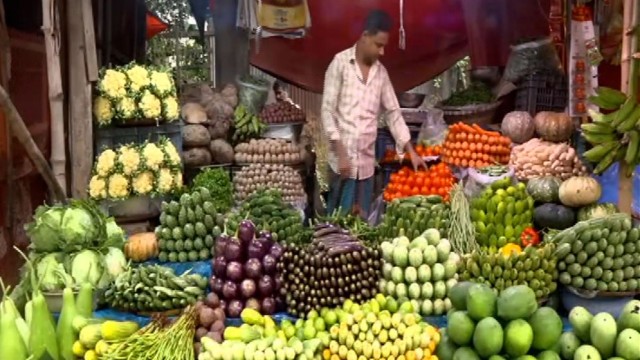
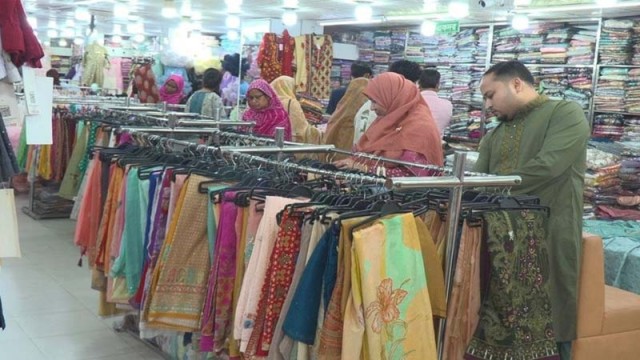
Throughout the year, average inflation remained above 8 percent, affecting both goods and services. While there was stability in the currency market and an increase in remittance income, domestic income and export earnings remained weak, and poverty and income inequality increased.
Economists say investment remained stagnant due to various uncertainties. Dr. Mostafizur Rahman, Honorary Fellow of the Center for Policy Dialogue (CPD), said, “When the exchange rate stabilizes, some macroeconomic stability may follow. But proper institutional capacity, monitoring, and data reporting are still necessary.”
The Bangladesh Knitwear Manufacturers and Exporters Association (BKMEA) President Mohammad Hatem highlighted challenges for the sector, saying, “Gas and power shortages, ongoing banking sector crises, and irregularities in import-export operations have stalled production. Exporters face non-payment from buyers, making it difficult to open letters of credit for the next cycle.”
Banking sector reforms have seen some progress, with boards of directors formed for several banks and five troubled banks merged or dissolved. Yet, defaulted loans continue to rise, raising concerns over financial governance. Economist Dr. Mustafa K. Mujeri warned, “Without good governance in the banking sector, stability cannot be restored, and non-performing loans will keep increasing.”
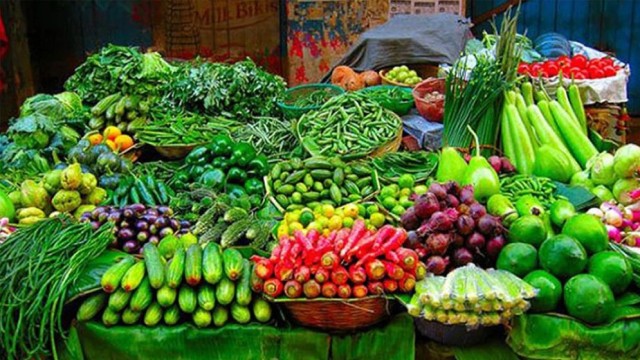
Despite these challenges, there were some bright spots. Agricultural production remained strong, remittance inflows increased, and the currency market showed stability, providing limited relief to the economy.
Looking ahead to 2026, experts hope that political stability and effective reforms may bring relief for investors and the general public. Dr. Mujeri emphasized, “Controlling inflation and creating employment are crucial. Without this, poverty and inequality are likely to increase further, despite improvements in specific sectors.”
END/SMA/AJ