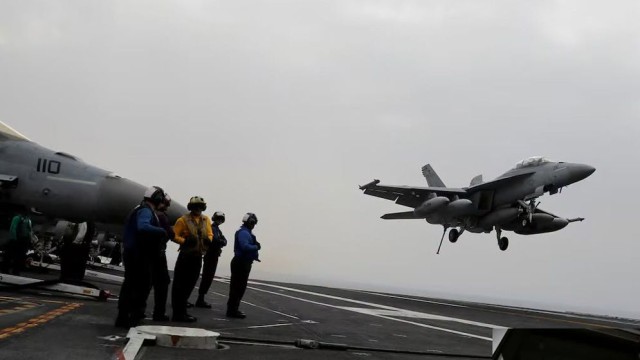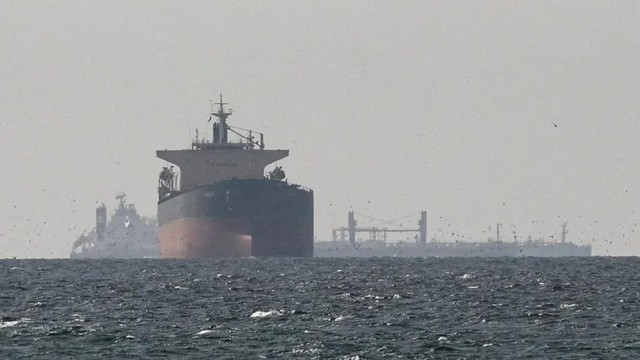
MAR 30 (V7N) - A top Iranian official issued a fierce warning to the United States against a ground invasion, stating that American troops would be set “on fire” as regional diplomats gathered in Pakistan on Sunday to mediate an end to the month-long war. Iran’s parliament speaker, Mohammad Bagher Qalibaf, declared that Iranian forces are waiting to punish American troops and their regional partners, dismissing ongoing peace talks as a mere cover for the arrival of 2,500 U.S. Marines in the Middle East. The escalating conflict has severely threatened global supplies of oil, natural gas, and fertilizer while disrupting international air travel through Iran's grip on the strategic Strait of Hormuz. Market instability has been further exacerbated by the Yemeni Houthi rebels' entry into the war, which now threatens shipping through the Bab el-Mandeb strait to the Red Sea.
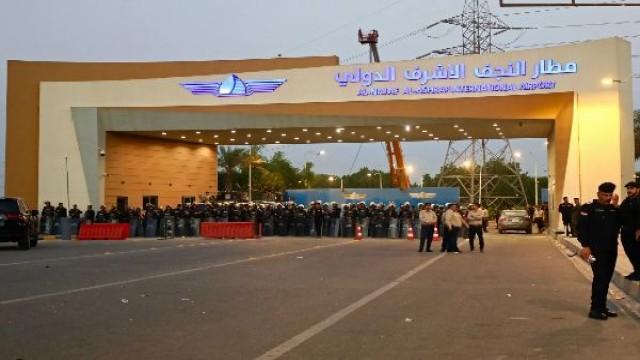
In Islamabad, foreign ministers from Saudi Arabia, Turkey, and Egypt met without U.S. or Israeli participation to establish a framework for direct U.S.-Iran dialogue following a recent 15-point "action list" offered by Washington. While Tehran has publicly rejected the U.S. proposal, reports suggest Iran has drafted its own five-point plan demanding a halt to the killing of its officials, reparations, and recognized sovereignty over the Strait of Hormuz.
Amidst the diplomatic maneuvering, Iran eased some maritime restrictions by allowing 20 Pakistani-flagged vessels to pass through the strait, a move seen by mediators as a signal that Tehran remains open to business if coercion ends. However, the conflict reached a new low as the Revolutionary Guard threatened to target U.S. and Israeli universities across the Middle East in retaliation for strikes on Iranian academic and nuclear research centers. This threat specifically endangers regional campuses of major American institutions in Qatar and the UAE unless Washington condemns the bombardment of Iranian universities by midday Monday.
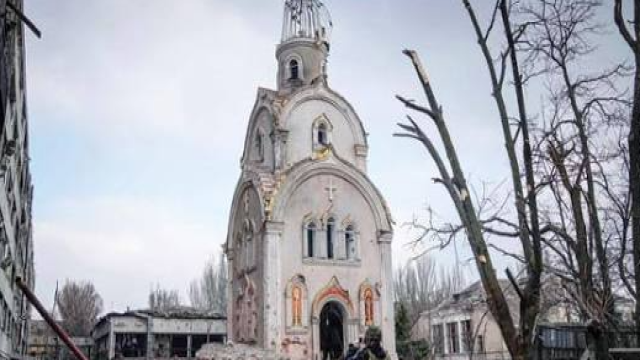
The human cost of the war continues to climb rapidly, with over 3,000 total deaths reported, including 1,900 in Iran, 1,100 in Lebanon, and various casualties across Israel, Iraq, and the Gulf states. As the war extends to the digital front and ground invasions into Lebanon continue, civilians across the region remain in a state of constant terror, unsure of when their homes might become the next target.
END/WD/RH/