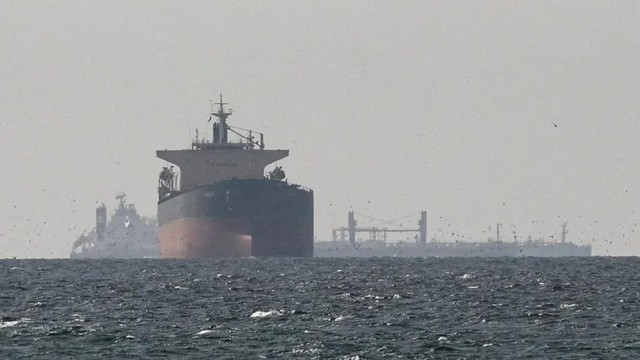
TEHRAN, Mar 27 (V7N) – In a major escalation of the maritime blockade, the Islamic Revolutionary Guard Corps (IRGC) announced on Friday that the Strait of Hormuz is now closed to all vessels traveling to or from ports belonging to "allies and supporters of the US and Israel." The move, reported by Fars News Agency and Al Jazeera, marks a transition from a general state of "phantom blockade" to a strictly enforced selective transit regime.
Interdiction of Container Ships
The IRGC Navy confirmed that it successfully turned back three container ships of different nationalities on Friday morning. The vessels were reportedly attempting to enter the strait's shipping corridors following claims by the U.S. administration that the waterway remained open.
-
The Warning: IRGC naval units issued radio warnings to the approaching ships, which subsequently withdrew back into the Persian Gulf.
-
The Directive: A statement from the IRGC’s official outlet, Sepah News, emphasized that any vessel moving "to and from" ports linked to Iran's enemies—regardless of the ship’s flag or its final destination—is strictly prohibited from passing through the 39km-wide chokepoint.
"Harsh Measures" and Selective Transit
While Iran has officially declared the strait "closed," it is maintaining a selective framework for what it deems "non-hostile" shipping.
-
The Pakistani Exception: As a "goodwill gesture" during ongoing peace talks mediated by Islamabad, Iran recently allowed 10 Pakistani oil tankers to pass through the strait safely.
-
The "Ransom" Allegations: Conversely, regional industry leaders have accused Tehran of demanding "security fees" or ransom payments—sometimes as high as $2 million per transit—to grant safe passage to select commercial vessels.
-
Enforcement Tactics: The IRGC warned of "harsh measures" against violators, including the use of drone strikes, naval mines, and GPS jamming, which have already caused insurance rates for the region to skyrocket by 400–600% this month.
Global Economic Impact
The tightening of the blockade has sent Brent crude oil prices surging past $115 per barrel. With nearly 150 tankers currently anchored outside the strait and major shipping giants like Maersk and Hapag-Lloyd suspending all regional transits, the "cardiac arrest of commerce" is being felt globally.
UN Secretary-General António Guterres has called the situation "out of control," noting that the denial of transit in a strait used for international navigation is a direct violation of the UN Convention on the Law of the Sea (UNCLOS). Despite a five-day pause on strikes against Iranian energy sites ordered by the U.S. to allow for negotiations, the IRGC's latest move suggests that Tehran is doubling down on its "Hormuz Card" to gain leverage in the conflict.
END/SMA/AJ