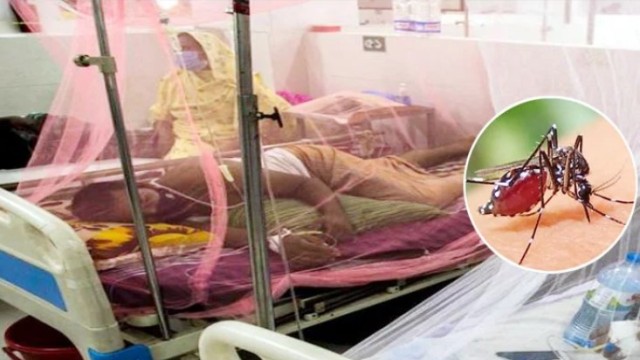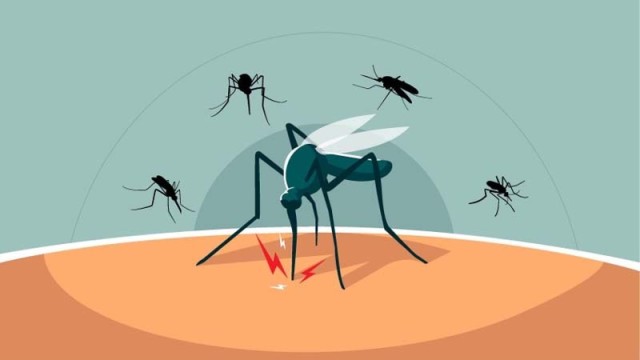
Rajshahi, Aug 30 (V7N) — Rajshahi is facing a high risk of dengue as the number of patients seeking treatment at hospitals continues to rise, alongside a sharp increase in the density of Aedes mosquitoes in the city.
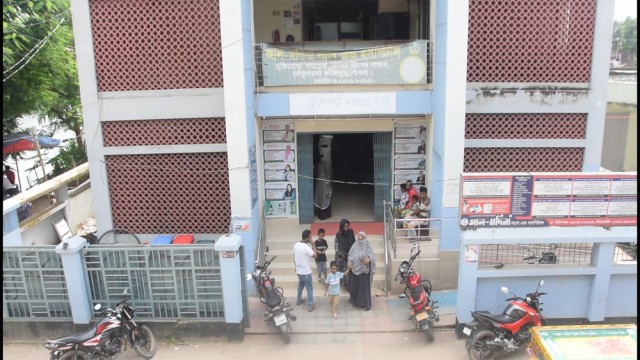
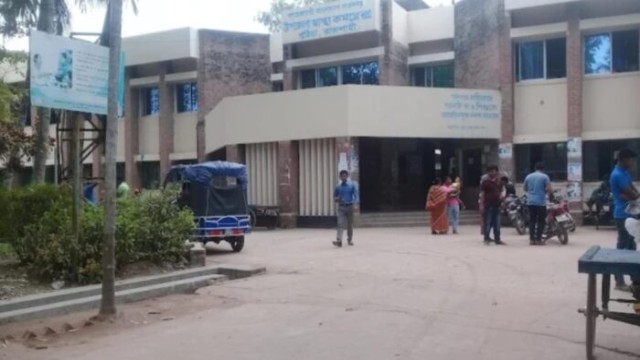
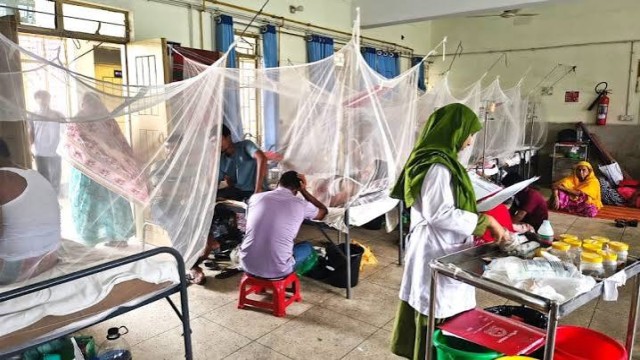
Twenty-one dengue patients were admitted to Rajshahi Medical College Hospital (RAMEC) over the past 48 hours, taking the number of patients currently receiving treatment at the hospital to 48.
The latest entomological survey conducted by the Directorate General of Health Services (DGHS) found a Breteau Index of 61.33, indicating a high density of Aedes mosquito breeding sites.
The index was 30.66 in Rajshahi city in May, meaning the density of dengue-vector mosquitoes has nearly doubled in just two months.
According to World Health Organisation (WHO) guidelines, a Breteau Index above 20 indicates a high risk of dengue transmission. Rajshahi’s current index is therefore more than three times the high-risk threshold.
The DGHS Rajshahi Divisional Office conducted the latest entomological survey in August in Kazihata, Chandipur, Uparbhadra, Namobhadrа and Hazrapukur areas of the city.
During the survey, 75 households were inspected and Aedes mosquito larvae were found in 24 of them, resulting in a House Index of 32 per cent.
A total of 68 water-holding containers were also examined, with larvae found in 46 of them. The Container Index stood at 67.65 per cent.
Of the 685 mosquito larvae collected from different breeding sites, 505 were identified as Aedes albopictus, 86 as Aedes aegypti and 94 as larvae of other mosquito species.
Health officials said even small amounts of stagnant water can provide suitable breeding sites for Aedes mosquitoes. Therefore, dengue prevention cannot rely solely on clearing large water bodies or visibly dirty areas; small water-holding spots in and around homes must also be cleaned regularly.
Dr Habibur Rahman, director of the Rajshahi Divisional Health Directorate, said the city was now at high risk of dengue.
“Dengue outbreaks have also increased in Chapainawabganj and Sirajganj. Rajshahi’s latest Breteau Index is 61.33, more than three times the threshold for high risk,” he said.
He noted that the May survey had already indicated a high dengue risk in the city, when the Breteau Index stood at 30.66.
The rising Aedes population has coincided with a rapid increase in dengue patients at RAMEC Hospital.
Hospital data show that only one dengue patient was receiving treatment on June 13. The number rose to nine on July 30 and reached 48 on Aug 28.
Rajshahi district entomologist Umme Habiba said the presence of mosquito larvae and adult mosquitoes had been monitored in the city for years.
“Aedes larvae are being found in common household items where water can accumulate. Without public awareness and community participation, it will not be possible to control Aedes mosquitoes,” she said.
RAMEC Hospital spokesperson Dr Sheikh Shamim Ahmed said the number of dengue patients was increasing, but the hospital was prepared to provide treatment.
“During the rainy season, special attention must now be given to eliminating mosquito breeding sites,” he said.
Sheikh Mohammad Mamun Dollar, chief cleanliness officer of Rajshahi City Corporation, said mosquito-control and cleanliness drives were continuing across the city.
“Dengue cannot be completely eradicated, but preventive measures are being taken. Cleaning campaigns are being conducted in every ward,” he said.
The latest health survey and the rising number of dengue patients at RAMEC Hospital indicate a worsening dengue situation in Rajshahi.
Health officials and local authorities say, alongside ensuring treatment for patients, greater emphasis must be placed on identifying and destroying Aedes breeding sites and strengthening mosquito-control activities to prevent further transmission.
END/MRA/SMA/