Washington, Sep 18 (V7N)- US President Donald Trump has signed into law a sweeping sanctions package targeting Russia and expanding existing sanctions against Iran, the White House said Friday.
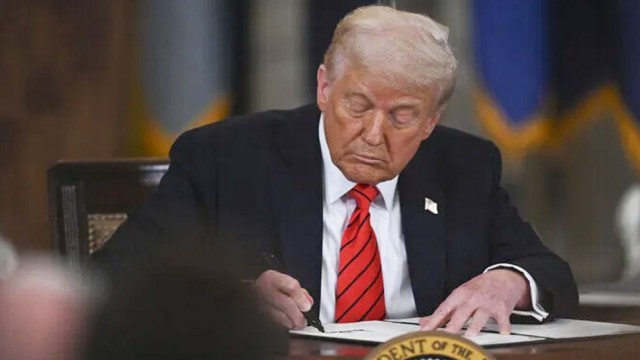
Trump signed H.R. 5334, formally known as the “Lindsey O. Graham Sanctioning Russia and Iran Act of 2026,” on Friday, September 18. The legislation was named in honor of the late Republican Senator Lindsey Graham.
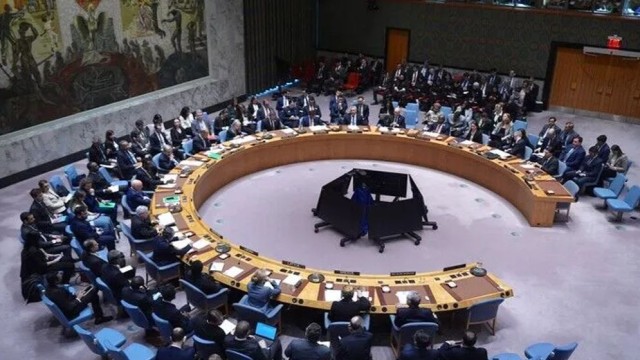
The Senate passed the measure last month by an 86-11 vote, while the House of Representatives approved it 262-159 on Wednesday, September 16. The bill received broad bipartisan support in both chambers.
The new law expands sanctions targeting Russian officials, oligarchs, financial institutions, the energy and defense sectors, and vessels associated with Russia's so-called shadow fleet. It also targets foreign individuals and entities involved in supporting Russia's war effort or helping Moscow evade existing sanctions.
A key provision gives the US president authority to impose tariffs of up to 100 percent on goods imported from countries that are among the largest purchasers of Russian oil or natural gas or that facilitate the circumvention of US sanctions.
The legislation also authorizes tariffs of up to 500 percent on certain Russian-origin goods imported into the United States, subject to provisions and exemptions contained in the law.
The measure further extends the Iran Sanctions Act for five years, through 2031, while expanding restrictions related to Iran's energy and weapons sectors.
The legislation was originally developed by Graham and Democratic Senator Richard Blumenthal as part of efforts to increase economic pressure on Moscow over the war in Ukraine. Graham died in July before the bill received final congressional approval.
The signing gives the Trump administration additional legal authority to increase economic pressure on Russia and potentially impose trade measures against countries continuing to purchase Russian energy or assisting in sanctions evasion.
The practical impact of the new measures will depend in part on how the administration exercises the authorities granted under the law, including decisions regarding additional sanctions and tariffs.
END/SMA/AJ