WASHINGTON, Jun 16 (V7N) – In a significant diplomatic breakthrough aimed at reducing years of hostility between the United States and Iran, leaders from both countries have signed a memorandum of understanding (MoU) outlining steps toward sanctions relief, the reopening of the Strait of Hormuz and renewed negotiations over Tehran's nuclear program.
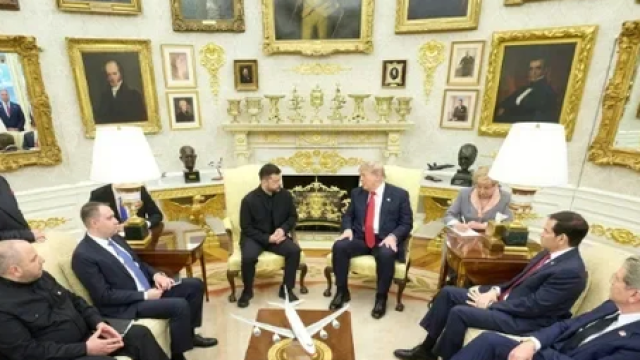
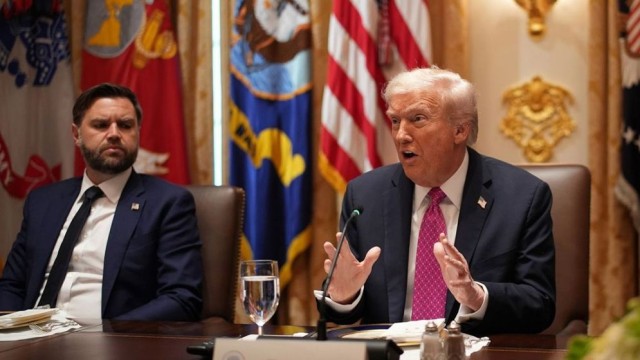
According to senior U.S. officials, President Donald Trump and Vice President J.D. Vance signed the agreement electronically, while Iranian Parliament Speaker Mohammad Bagher Ghalibaf signed on behalf of Tehran. A formal public signing ceremony is expected later this week.
The agreement reportedly includes provisions for easing certain U.S. sanctions, restoring commercial shipping through the Strait of Hormuz and launching a new round of nuclear negotiations within the next 60 days. However, the full text of the memorandum has not yet been released, leaving several key details unclear.
The White House indicated that the complete document could be made public following the formal signing ceremony. Officials from both countries have already offered differing interpretations of some provisions, particularly regarding future control and operation of the strategically vital Strait of Hormuz.
Iranian officials have suggested that a fixed maritime service fee could be imposed on vessels using the waterway, while President Trump has insisted that the strait will reopen fully without tolls beginning Friday. The differing statements have raised questions about how the agreement will be implemented in practice.
The Strait of Hormuz remains one of the world's most important energy transit routes, carrying a significant share of global oil and liquefied natural gas shipments. Reopening the passage is expected to ease pressure on international energy markets and improve regional trade flows.
The agreement also creates a framework for future negotiations over Iran's nuclear activities, one of the most contentious issues in relations between Washington and Tehran. While the memorandum does not provide a final resolution, both sides have agreed to begin detailed discussions within 60 days.
Meanwhile, Israeli Prime Minister Benjamin Netanyahu reacted cautiously to the announcement, saying that he and President Donald Trump did not agree on every aspect of the negotiations. His comments come as tensions continue along Israel's northern border.
Despite the diplomatic progress, clashes between Hezbollah and Israeli forces in southern Lebanon have continued, with both sides reporting attacks against one another. Analysts warn that ongoing regional conflicts could still pose challenges to the implementation of the new agreement.
The memorandum is being viewed as one of the most significant diplomatic developments in the Middle East in recent years, although its long-term success will depend on future negotiations and the resolution of several outstanding disputes.
END/SMA/AJ