New Delhi, Apr 27(V7N)- India’s once fast-rising political force, the Aam Aadmi Party (AAP), is reportedly facing a deepening internal crisis amid claims of large-scale defections and growing organizational instability.
According to various reports, several senior leaders—including prominent party figure Raghav Chadha—have joined the Bharatiya Janata Party (BJP). In total, nearly two-thirds of AAP’s members in the Rajya Sabha are said to have switched allegiance, significantly weakening the party’s parliamentary strength.
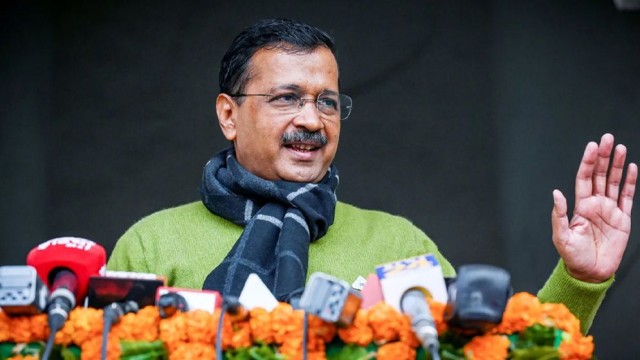
The development has raised concerns about the future of the party led by Arvind Kejriwal, particularly ahead of the upcoming Punjab Assembly elections scheduled for February. With many of its MPs originally elected from Punjab, analysts warn that the defections could have a direct impact on the party’s electoral prospects in the state, where AAP currently holds power.
AAP currently has 10 members in the Rajya Sabha, but that number is reportedly set to drop to just three. This drastic reduction is expected to create a leadership vacuum and weaken the party’s organizational capacity both at the national and state levels.
Political observers and leaders have expressed concern over the trend. D. Raja, General Secretary of the Communist Party of India, questioned the implications of such defections, stating that the issue could have serious consequences for democratic practices and political stability, especially in Punjab.
Veteran social activist Anna Hazare also criticized the reported party-switching, calling it harmful to democratic values. He emphasized that political loyalty should not be compromised for personal gain and noted that such practices go against the spirit of the constitution.
Amid the ongoing turmoil, fresh claims have surfaced that up to 28 AAP legislators may be preparing to leave the party. The allegation was made by Naveen Jaihind, former Haryana state president of AAP.
If confirmed, such a development could further destabilize the party and pose a significant challenge to its political future.
Founded in 2012 on an anti-corruption platform, AAP quickly rose to prominence, achieving major victories in Delhi’s assembly elections in 2013, 2015, and 2020. However, the current wave of defections and internal discord suggests the party is now navigating one of the most challenging phases in its history.
END/SMA/AJ