



Mar 23 (V7N) – Global markets swung sharply on Monday as oil prices tumbled and stocks rebounded after Donald Trump abruptly ordered a halt to strikes on Iranian energy infrastructure, citing “very good” talks with Iran.
Crude oil futures initially plunged more than 14 percent following Trump’s statement on Truth Social, before paring losses to around 8 percent after Tehran denied that any negotiations had taken place.
The sudden shift in tone from Washington triggered a strong rebound in equity markets. Major European indices recovered from early losses, while Wall Street opened higher, with all three key indices gaining over one percent in early trading.
However, volatility persisted after Iranian media rejected claims of talks, leaving investors cautious.
“It’s incredibly difficult to trade these markets when Trump swings between escalation and de-escalation,” said analyst Neil Wilson, reflecting broader uncertainty.
Energy markets also reacted sharply. Prices for Brent crude fell to around $102 per barrel, while US West Texas Intermediate dropped near $90. Meanwhile, European gas prices declined by about 4 percent.
Earlier, tensions had escalated after Trump issued a 48-hour ultimatum demanding Iran reopen the Strait of Hormuz—a critical route for roughly one-fifth of global oil and gas shipments—or face major attacks on its energy sector.
Tehran responded with warnings that the vital shipping lane could be completely shut if military action proceeds.
Amid the uncertainty, the International Energy Agency warned of a potential global energy crisis, the worst in decades, as supply disruptions continue to rattle markets.
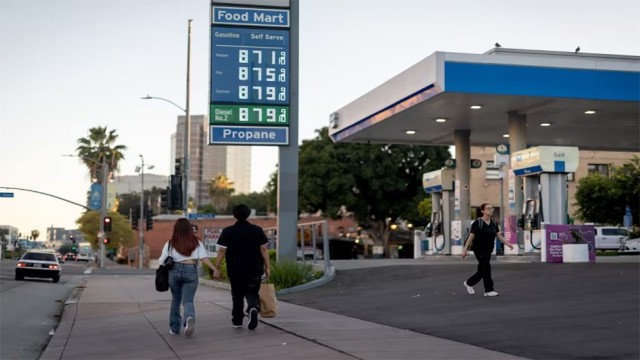
Analysts say persistently high oil prices could fuel inflation worldwide, potentially forcing central banks to raise interest rates—raising fears of a renewed cost-of-living crisis.
The turmoil also hit other asset classes. Gold prices initially dropped due to rising bond yields but later recovered as market sentiment shifted following Trump’s remarks. Currency markets saw the US dollar weaken against the euro, British pound, and Japanese yen.
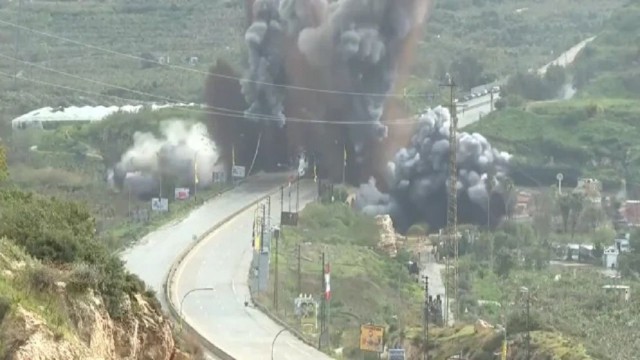
Meanwhile, geopolitical tensions remain high. Israel signaled that the ongoing conflict in the region could continue for weeks, with military operations expanding in Lebanon against the Iran-backed group Hezbollah.
Despite Monday’s market relief, analysts warn that uncertainty over the Middle East conflict and energy supply disruptions will likely keep global markets volatile in the coming days.
END/WD/RH

















Comment: