Ukhiya, Oct 16 (V7N) – Constructive criticism from journalists is essential to resolving public grievances, accelerating development activities and ensuring administrative accountability, Ukhiya Upazila Nirbahi Officer (UNO) Panna Akter has said.
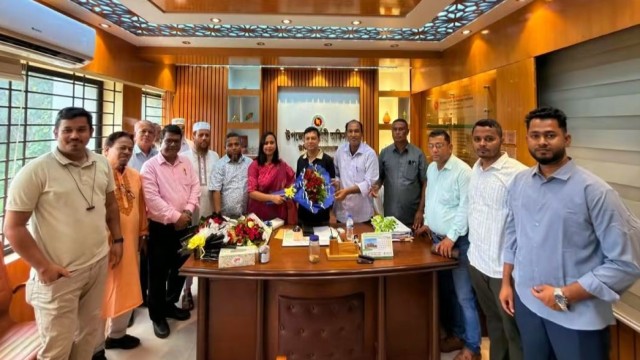
She made the remarks on Thursday during an exchange of views with the newly elected executive committee of the Ukhiya Press Club and members of its election commission.
The meeting discussed tourism development, treatment and rehabilitation for people with drug addiction, border security and security in Rohingya camps.
Panna Akter said stronger trust and coordination between the administration and the media would help improve public services. She acknowledged that administrative decisions and activities could contain mistakes and said journalists’ constructive criticism was necessary to identify shortcomings and improve performance.
“Our decisions and work may also have shortcomings. Your constructive criticism is certainly necessary when mistakes occur. This can help ensure administrative accountability,” she said.
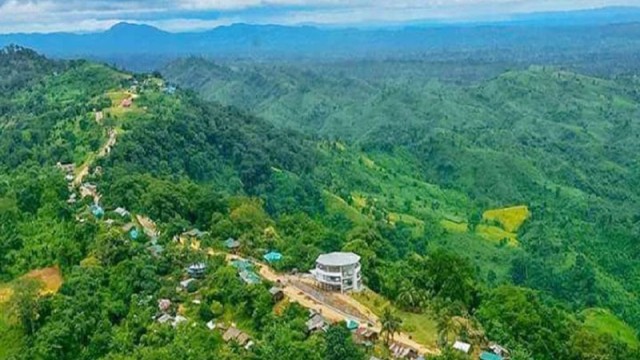
The UNO emphasised the need for planned initiatives to realise Ukhiya’s tourism potential. She said private investment had already supported the development of five-star hotels and other tourism infrastructure, adding that further expansion could boost the local economy, create jobs and increase government revenue.
She said work was underway on master plans for several parks and that authorities were considering exhibitions and other events to attract tourists.
Addressing drug addiction, Panna Akter stressed the need for accessible and affordable treatment and rehabilitation centres in Ukhiya. She said treatment costs were beyond the reach of many families, preventing people from receiving necessary care.
People struggling with drug addiction should initially be offered treatment, counselling and rehabilitation rather than punishment, she said. However, those who commit offences despite receiving such opportunities could face legal action.
She urged government officials, health-focused non-governmental organisations and financially capable individuals to help establish rehabilitation facilities.
The UNO also acknowledged the challenges of maintaining law and order in Ukhiya because of its location along the Myanmar border, the extensive Rohingya camps and risks associated with drug trafficking and smuggling.
She said Border Guard Bangladesh, intelligence agencies, police and other relevant forces were working to strengthen border security and prevent drug smuggling. However, she added that law enforcement agencies in the area needed more personnel and resources.
Regarding security in Rohingya camps, Panna Akter said the overall law and order situation was largely under control, although reports of gunfire and violence continued to cause concern.
She also referred to allegations that some Rohingya people travelled outside the camps after evening and rented houses in nearby localities. Authorities were gathering information and taking necessary measures, including efforts to improve camp boundary management and access control, she said.
Describing the media as the fourth pillar of the state, Panna Akter said reporting on administrative activities, development plans, public concerns and local opportunities could bring positive changes to decision-making and service delivery.
She expressed her willingness to continue regular discussions with journalists and consider their views and suggestions while working in the public interest.
Speakers at the meeting included Nurul Islam Helali, president of the Cox’s Bazar Journalists’ Union; Momtaz Uddin Bahari, general secretary of the Cox’s Bazar Press Club; senior journalist Shamsul Haque Sharek; Upazila Engineer Mohammad Touhidul Islam; Upazila Academic Supervisor Badrul Alam; Ukhiya Press Club President Saifur Rahim Shaheen; and General Secretary Faruk Ahmed, among others.
END/MSI/SMA/