Dhaka, Sep 18 (V7N)- Poultry remains one of the most affordable protein sources for low-income households, but consumers in Bangladesh have faced persistently high egg and chicken prices for nearly one and a half months.
Brown eggs are currently selling for around Tk 150 per dozen, while prices of local chicken and duck eggs remain considerably higher. Although the supply of Sonali chicken eggs has increased, they are still being sold at around Tk 180 per dozen.
Traders said egg production typically declines during this period because of unfavorable weather conditions. At the same time, many small-scale poultry farmers have stopped production after incurring losses, further affecting market supply.
In Dhaka's Karwan Bazar, broiler chicken was selling for Tk 180 per kilogram on Friday (September 18). However, prices in several other markets ranged between Tk 190 and Tk 200 per kilogram.
The price of Sonali chicken has also remained largely unchanged. Sellers attributed the continued high prices to frequent power outages and rising poultry-feed costs.
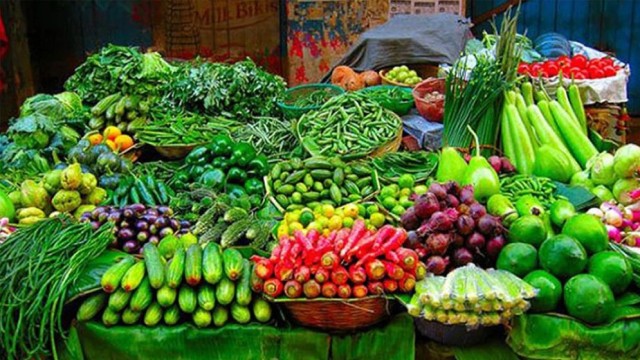
The vegetable market presented a mixed picture. Prices of bottle gourd, papaya, cucumber and teasle gourd have declined, while broad beans, round eggplant and tomatoes continue to sell for more than Tk 100 per kilogram.
Traders expressed hope that vegetable supplies will increase with the approach of winter, which could bring some relief to consumers.
Meanwhile, fish prices have fallen slightly at some local wholesale markets, but consumers in the capital have yet to see significant reductions. Prices of most fish remain high despite increased supplies of river fish.
The same trend has been observed in the hilsa market. Although supplies have increased, consumers have received little benefit in terms of lower prices.
Meanwhile, imported Indian hilsa has become widely available in the market and is being sold at comparatively lower prices. However, consumers and traders say the imported variety does not have the distinctive taste associated with locally sourced hilsa.
Consumers have expressed frustration over the continued pressure on food prices and called for more effective and modern market monitoring. They also stressed the need to ensure reasonable prices throughout the supply chain, from producers to retailers.
END/SMA/AJ