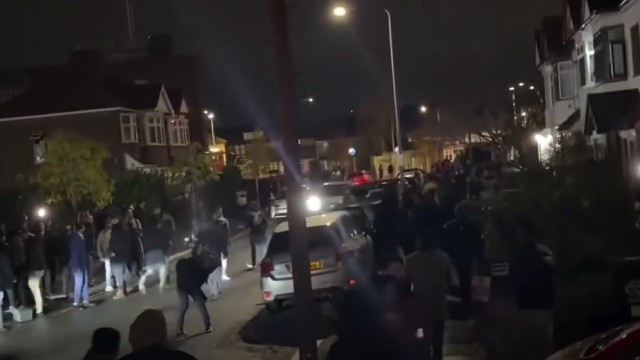
Dhaka, Nov 17 (V7N)- Amid rising political tensions over the possible return of convicted former prime minister Sheikh Hasina and reports of violence and sabotage by Awami League activists, Bangladesh Jamaat-e-Islami has said it is prepared to take to the streets if the government fails to ensure public security.
In Gopalganj, offices and homes belonging to BNP and its affiliated organisations have reportedly been vandalised and set on fire. There have also been incidents of BNP leaders being beaten in public. Meanwhile, leaders of the National Citizen Party (NCP), who played a leading role in the July uprising, have reportedly continued to receive threats of murder and physical attacks.
The BNP has been holding political programmes alongside the government to help maintain law and order, while the NCP has also called for resistance. However, Jamaat has yet to announce any prominent political programme or take a clearly visible position on the situation.
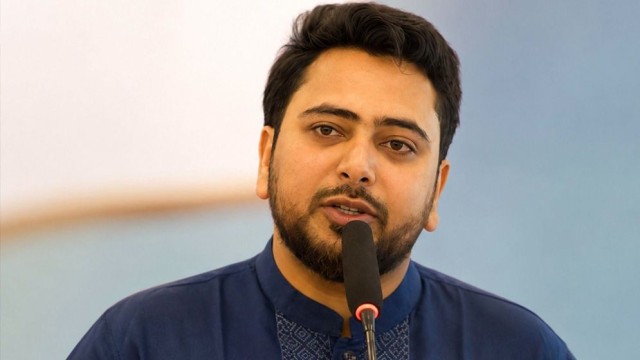
Asked about the party's response, Jamaat Assistant Secretary General Dr AHM Hamidur Rahman Azad said the government was not giving the party sufficient opportunity to take visible initiatives.
He stressed that the July Charter must be implemented and said visible progress in ensuring justice would help establish a foundation for national unity.
Referring to the government's efforts to maintain law and order, Azad said Jamaat would take to the streets in the national interest if the government sought its cooperation or failed to fulfil its responsibilities.
He also criticised the government's handling of the situation, saying the problems had not been addressed firmly from the outset. Describing this as a major failure, he said the entire nation was now having to bear the consequences.
Azad alleged that the government was playing a silent role and had not taken sufficient measures, particularly in deploying law enforcement personnel where necessary.
Several BNP leaders have alleged that Jamaat's position on the Awami League remains unclear, while questions about possible political collusion have also surfaced. Jamaat, in turn, has accused the government of colluding with the ousted political forces.
Azad rejected allegations that Jamaat could reach an understanding with the Awami League, accusing the government of pointing fingers at his party to evade responsibility.
He recalled that five Jamaat leaders had been executed during the Awami League government's tenure and that many others had died in prison. He also referred to attacks, cases and deaths among party members during protests.
Describing allegations of collusion with the Awami League as baseless, he said such claims were nothing more than a delusion.
On the party's preparations at the metropolitan level, leaders of Jamaat's Dhaka North and South units said their ward and branch committees had been instructed to remain vigilant against acts of terrorism.
Mohammad Selim Uddin of Dhaka Metropolitan Jamaat-e-Islami North said the party had instructed its branches not to tolerate any challenge to the state or legal authority by what he described as fascist groups.
He added that Jamaat would not compromise on public security if the government failed to fulfil its responsibilities.
Dr Shafiqul Islam Masud, general secretary of Dhaka Metropolitan Jamaat-e-Islami South, said the party would announce necessary programmes to ensure public safety if the government became unable or unwilling to address the situation, in line with the position stated by Jamaat Ameer Dr Shafiqur Rahman.
Despite political differences, the parties need to reach a consensus against violence and sabotage. However, Jamaat has maintained that implementation of the referendum verdict remains a condition for such unity.
END/SMA/AJ