Dhaka, Sep 1 (V7N)- The Bangladesh Nationalist Party (BNP) is observing its 48th founding anniversary today, September 1. Established in 1978 amid a period of political transition following Bangladesh's Liberation War, the party has since emerged as one of the country's major political forces.
Founded under the leadership of then-President Ziaur Rahman, BNP has repeatedly tested its popularity through Bangladesh's changing political landscape. The party is now being led by a second generation, with its political future resting on the shoulders of Tarique Rahman following the long leadership of Ziaur Rahman and former Prime Minister Khaleda Zia.
BNP leaders say the party's future priorities include strengthening nationalism, democracy and good governance. Political analysts, however, identify internal democracy, organizational discipline and maintaining public support as major challenges for the party.
Ziaur Rahman, who came to power through a series of political developments, moved away from the one-party Baksal system and pursued multi-party democracy. After initially forming the Nationalist Democratic Party (Jagdal), he established BNP on September 1, 1978, bringing together people from different political backgrounds as well as younger generations. He served as the party's founding convener.
Ziaur Rahman subsequently introduced initiatives in multi-party democracy, the economy, agriculture, education, culture and sports. He also promoted the concept of Bangladeshi nationalism, seeking to rise above religious and ethnic divisions.
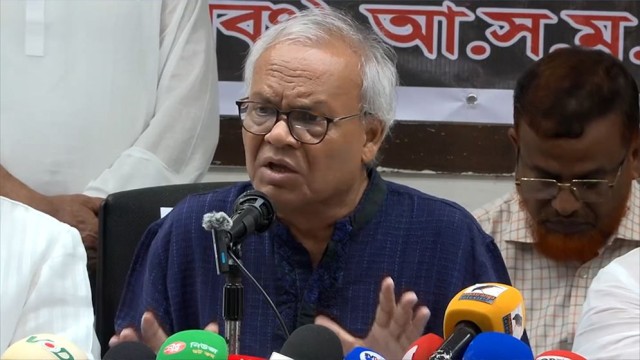
BNP Standing Committee Member Nazrul Islam Khan said many political parties formed around power failed to survive, while BNP endured because of its political ideology.
He said Ziaur Rahman's 19-point programme addressed issues affecting ordinary people and helped create hope and confidence among the public. According to him, the party also provided a clear political identity centered on Bangladeshi nationalism.
Following Ziaur Rahman's assassination, Khaleda Zia entered politics and took charge of BNP. She subsequently led the party through prolonged movements for democracy and helped expand its political base. The party's journey, however, was marked by political setbacks, cases, arrests and periods outside power.
Nazrul Islam Khan said BNP has continued its political struggle regardless of whether it was in government or opposition. He claimed the party had faced various challenges and would continue to survive them.
The party's 19-point programme has since been expanded into a 31-point political programme. After Ziaur Rahman and Khaleda Zia, the responsibility of leading BNP has now fallen to Tarique Rahman.
Under his leadership, BNP returned to power after two decades following a major victory in the post-July election. The party's long history but new-generation leadership has raised questions about how effectively the political philosophy associated with Ziaur Rahman and Khaleda Zia will be reflected in the activities of the current government.
Nazrul Islam Khan said BNP has not deviated from its core political principles and has consistently worked for democracy.
Analysts say BNP is the only major political party formed after independence that has built a substantial nationwide support base and remained in power for extended periods. They have urged the party to demonstrate greater tolerance and remain cautious in fulfilling its commitments to voters.
Political analyst and senior journalist Sohrab Hasan said BNP won two-thirds of the seats in the most recent election, but sustaining that success will depend largely on how effectively the party delivers on its promises to the people.
Although BNP faced considerable pressure over the years through cases and arrests, analysts say the party, now in government, has not been accused of undermining democracy or destroying the rule of law. However, organizational disorder in some areas remains a concern.
END/SMA/AJ