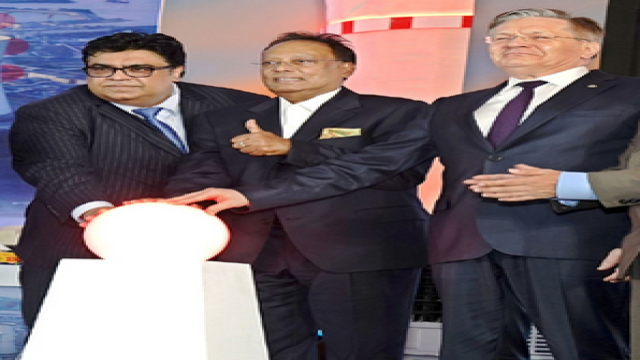
Ishurdi, Pabna, April 28 (V7N) — Bangladesh marked a historic technological milestone today as the physical start-up of Unit-1 at the Rooppur Nuclear Power Plant (RNPP) commenced with the loading of uranium fuel. The process, which began at 3:30 PM, signals the country’s formal entry into the global club of nuclear-energy-producing nations.
Operational Timeline and Power Generation
The fuel loading into the VVER-1200 reactor is expected to take between 21 and 34 days to complete. Once finished, experimental production will begin, with the first unit initially generating 1% of its capacity, gradually scaling up to 300 MW (approximately 25% of the unit's total 1,200 MW capacity).
Grid Addition: Technical experts expect the first 300 MW of nuclear power to be added to the national grid between late July and early August 2026.
Full Production: The first unit is slated to reach full-scale commercial production (1,200 MW) by December 2026 or early 2027.
Unit-2 Progress: Construction on the second unit is ongoing and is projected for completion by the end of next year.
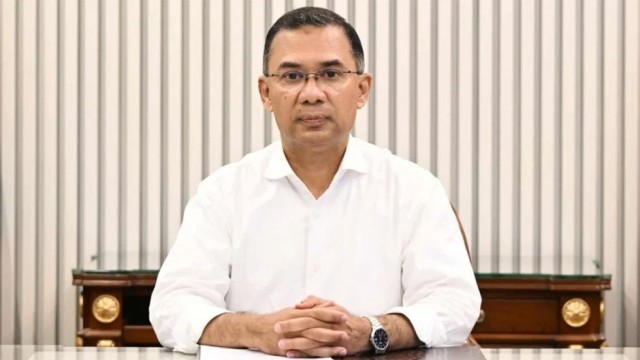
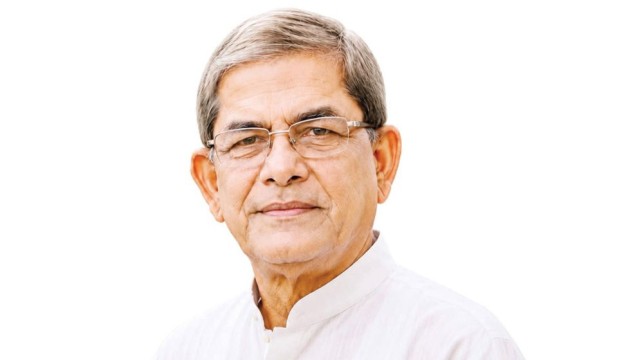
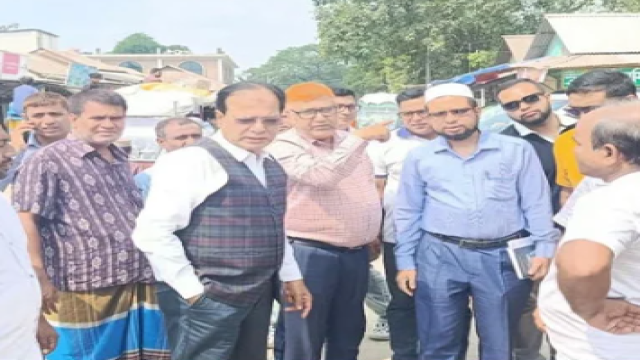
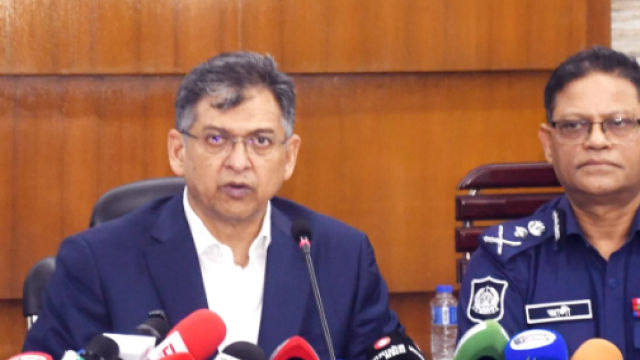
Fakir Mahbub Anan, the Minister for Science and Technology (and also overseeing Posts, Telecommunications, and ICT), inaugurated the "Physical Start-Up" at the project site. He emphasized that all activities adhere to the most rigorous international standards.
"Safety is the first priority of Bangladesh," the Minister declared. "This plant will further advance the historic relations between Dhaka and Moscow."
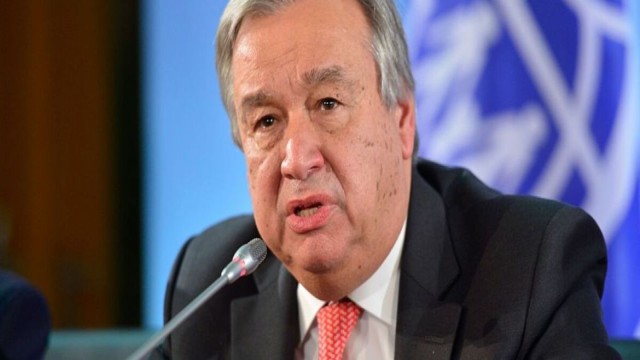
Prime Minister’s Advisor Rehan Asif Asad described the day as a significant leap forward for the nation's technological landscape. His sentiments were echoed in a video message from Rafael Mariano Grossi, Director General of the International Atomic Energy Agency (IAEA), who welcomed Bangladesh to the group of nations using peaceful nuclear energy for sustainable development.
Technical Excellence and Russian Partnership
The project is a collaborative effort with the Russian State Atomic Energy Corporation, Rosatom. Alexey Likhachev, Director General of Rosatom, was present at the site and expressed pride in the partnership, noting that the VVER-1200 is one of the world's most advanced Generation III+ reactor designs.
Longevity: The plant has an initial lifespan of 60 years, which can be extended by two 20-year increments, potentially providing power for up to 100 years.
Safety Systems: The design includes five layers of defense, passive and active safety systems, and a "core catcher" to prevent environmental contamination even in extreme scenarios.
Management: While initially operated by Russian experts, Bangladeshi personnel (NPCBL) are currently acting as collaborators and are expected to assume full operational leadership after three years of hands-on training.
Built at an estimated cost of $12.65 billion with Russian economic and technical assistance, the 2,400 MW project is the single largest infrastructure endeavor in Bangladesh's history. It is positioned to become the backbone of the national energy system, providing a stable, low-carbon alternative to fossil fuels as the country pursues its long-term development goals.
END/AJ/RH/