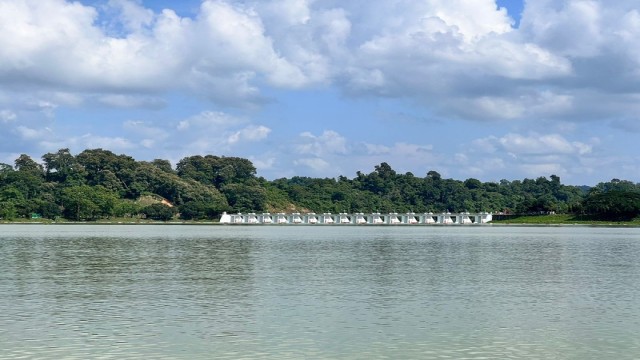
Rangamati, Aug. 11 (V7N) — Fishing, transportation and commercial distribution of fish from Kaptai Lake in Rangamati have resumed after a ban lasting nearly three months and 10 days, bringing renewed activity among fishermen, traders and others whose livelihoods depend on the lake.
Under an order issued by the Rangamati district administration, fishing became permissible from midnight on Aug. 10, while the transportation and commercial sale of harvested fish were allowed from 6am on Aug. 11.
However, fishermen and traders must comply with a set of strict conditions imposed by the administration. Violations will be treated as offences under the law and may result in legal action.
The decision was announced in an order signed by Rangamati District Magistrate Nazma Ashrafi on Aug. 6. The order followed a decision taken at a meeting of the committee on lifting the fishing ban in Kaptai Lake on July 27.
Under the new arrangements, anyone wishing to fish in the lake must obtain a licence from the Bangladesh Fisheries Development Corporation (BFDC), Rangamati. Fishermen must also pay the prescribed share or levy on their catch.
The administration has stipulated that fish caught in the lake can only be landed at designated BFDC landing centres. The purchase or sale of fresh fish or dried fish without payment of the prescribed BFDC levy is prohibited. Landing fish outside the authorised hours is also not permitted.
Fishing will remain prohibited throughout the year in officially designated fish sanctuaries within Kaptai Lake. The restriction is intended to protect breeding grounds and allow fish stocks to regenerate.
The authorities have also ordered strict compliance with the Fish Protection and Conservation Act, 1950. Catching fish measuring less than nine inches, or 23 centimetres, as well as catching fish fry, is strictly prohibited.
The removal or extraction of tree trunks and other submerged timber, locally known as ‘Guitta’, from the lakebed is also banned throughout the year. The restriction will remain in force regardless of whether the lake is open or closed for fishing.
The district administration said the measures were introduced to increase the breeding of native species, including chital, foli and boal, and to prevent their depletion.
Mohammad Foyez Al Karim, commander and current manager of the BFDC Fish Development and Marketing Centre in Rangamati, said fish harvested from Kaptai Lake would be marketed across Bangladesh from Aug. 11. He added that the BFDC had made the necessary preparations to resume operations.
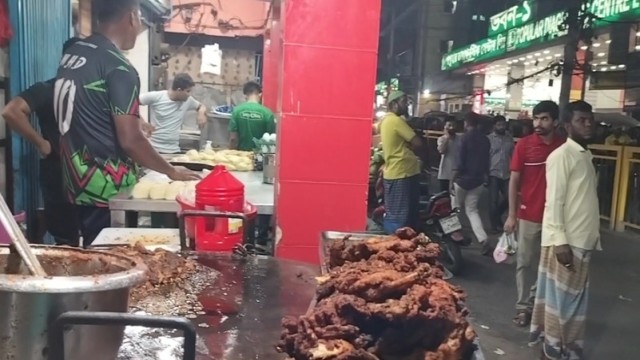
The lifting of the ban has brought relief to fishermen who had been waiting for an opportunity to return to the lake. Local traders and others involved in the fisheries sector expect fishing and transportation activities to increase significantly, while consumers are likely to benefit from greater supplies of locally caught fish in markets.
Officials and stakeholders, however, have stressed the importance of enforcing the restrictions to ensure that the benefits of the fishing ban are sustained. They particularly highlighted the need to prevent the catching of juvenile fish, protect designated sanctuaries and stop the illegal landing and marketing of fish.
The district administration has warned that anyone violating the prescribed conditions will face legal action. It has also retained the authority to cancel or withdraw the order permitting fishing if required for state or public purposes.
Fishing in Kaptai Lake is suspended every year for a specified period to allow fish to breed and replenish natural stocks. The seasonal closure provides an opportunity for fish populations to reproduce and grow before fishing resumes under regulated conditions.
Kaptai Lake, located in Bangladesh's southeastern Rangamati district, is the country's largest artificial lake. It was created following the construction of the Kaptai Dam across the Karnaphuli River as part of the Karnaphuli Hydroelectric Power Project.
Construction of the Kaptai Dam began in 1956. After the dam and hydropower project became operational, large areas were submerged. Around 54,000 acres of agricultural land, equivalent to about 40 per cent of the area's total farmland, went underwater. Approximately 29 square miles of reserved forest and 234 square miles of unclassified forest were also submerged.
The creation of Kaptai Lake displaced around 100,000 people from approximately 18,000 families. Over time, the lake has evolved into not only a major source of hydropower but also one of Bangladesh's important fisheries and livelihood resources.
Today, the lake plays a significant role in the economy of Rangamati, supporting fishing, transportation and tourism. Through annual fishing closures followed by regulated reopening, the authorities seek to preserve the lake's fisheries resources and promote sustainable management.
With fishing now permitted after the prolonged closure, fishermen, traders and consumers have renewed expectations. The long-term benefits, however, will depend largely on strict enforcement of the administration's regulations and responsible practices by those involved in fishing and the fish trade.
END/AMR/SMA/