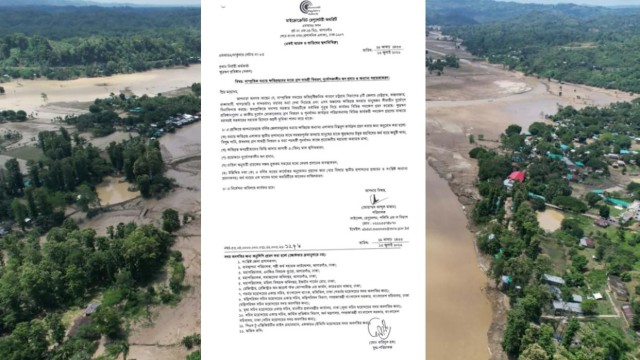
RANGAMATI, July 23 (V7N) — Despite a government directive suspending loan installment collections for three months in flood-affected areas, allegations have emerged that microfinance institutions are continuing to collect repayments from affected borrowers in Rangamati.
The Microcredit Regulatory Authority (MRA) has instructed microfinance organisations to suspend loan installment collection from flood-hit borrowers in five districts of Chattogram Division — Chattogram, Cox’s Bazar, Rangamati, Khagrachhari and Bandarban — while supporting relief and rehabilitation efforts.
The directive was issued through Circular Letter No. 85, signed by MRA Director (Licensing, Regulation, Policy and Law) Mohammad Abdul Mannan on July 13, 2026.
The circular stated that heavy rainfall had caused severe flooding across the five districts, leaving many people in distress. It urged microfinance institutions to work alongside the government by providing emergency assistance, including food, clean water and medicine, and supporting post-flood rehabilitation.
The MRA also instructed organisations to provide disaster-time loans if necessary and return savings deposits to customers promptly upon request.
However, local residents and media workers have alleged that the directive is not being properly implemented on the ground, particularly in Bagaichhari upazila of Rangamati, one of the worst flood-affected areas.
Local journalist Khorshed Alam alleged in a social media post addressed to the Rangamati deputy commissioner that several villages in Bagaichhari suffered extensive damage from the recent floods. He said government officials and local representatives had earlier instructed NGOs and loan providers to stop collecting installments from flood victims.
According to him, Bagaichhari Upazila Nirbahi Officer (UNO) Amena Marjan also held a meeting with NGO representatives and informed them about implementing the government directive. Despite this, installment collection allegedly continued in affected areas.
Local sources claimed that on Wednesday morning, loan installment collection was taking place in Muslim Block Matabbar Para area of Bagaichhari. A field officer of the Palli Daridro Bimochon Foundation (PDBF), Mahmudul Hasan, was allegedly collecting installments there.
When questioned about the government order suspending collections, the field officer reportedly said they had not received any such instruction.
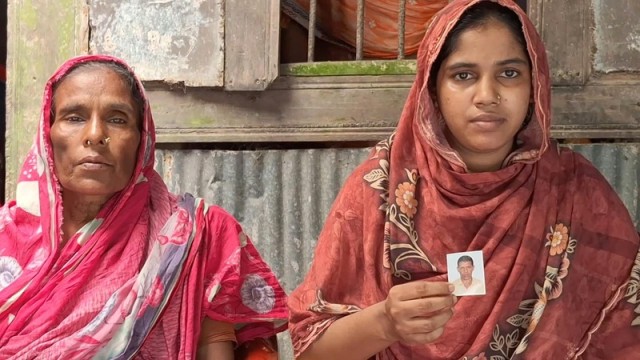
Flood-affected residents said many families are still struggling to recover. Homes have been damaged, agricultural land and livestock have been lost, and many sources of income remain disrupted.
“Many families are struggling even to arrange daily meals. Pressuring them to pay loan installments at this time is inhumane,” locals said.
Residents said the end of flooding does not mean the end of suffering, as people must rebuild homes, restore damaged farms and businesses, and restart their livelihoods. They warned that installment pressure during the recovery period could create further hardship.
One affected borrower said, “Everything has been damaged — our homes, food supplies and income sources. It is already difficult to run our families. If the government has ordered a suspension, why are we still being pressured to pay?”
Locals have called for a special monitoring cell led by the district administration to ensure proper implementation of the MRA directive. They suggested coordination among the district administration, upazila authorities, MRA and microfinance institutions to monitor the situation and address complaints.
PDBF is a statutory autonomous organisation under the Ministry of Local Government, Rural Development and Cooperatives. Residents said any allegation of installment collection by a government-affiliated institution despite official instructions should be investigated seriously.
The MRA said the directive is effective immediately and that microfinance institutions must comply with the order. However, flood victims questioned whether government instructions would have any impact if they were not enforced at the local level. They said affected families need time, support and rehabilitation opportunities rather than additional financial pressure during the crisis.
END/AMR/SMA/