Rajshahi, Oct 25 (V7N) – At least 35 youth crime gangs with more than 500 members are active across Rajshahi city, while law enforcement agencies have identified 386 such gangs nationwide, raising concerns over violent crime and alleged political patronage.
The gangs have been linked to public displays of sharp weapons, violent clashes over minor disputes, extortion, robbery and other criminal activities. Crime analysts say some groups operate with the alleged backing of influential individuals, making it difficult to contain their activities through law enforcement alone.
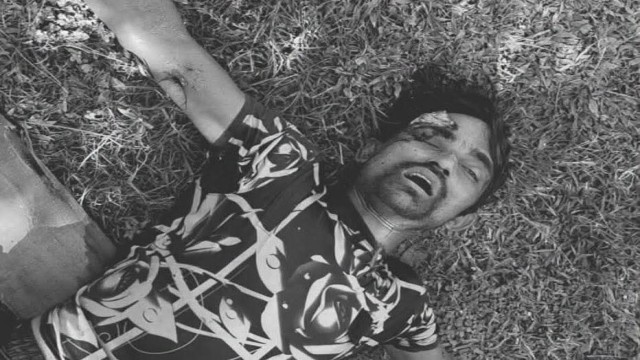
On September 27, a shopkeeper was allegedly hacked to death at Bakir Mor in Rajshahi following a minor argument over money exchange. Local residents said disputes over territorial control, senior-junior rivalries and robbery were among the factors behind violent incidents involving groups of young people.
According to Rajshahi Metropolitan Police (RMP), youth crime gangs are present in all 30 wards of the city. RMP Commissioner Faizul Kabir recently told the media that at least 35 such groups were active across the metropolitan area.
Among the identified groups are Ten Star Boy, Rising Boy, Adommo Balok, Goli Boy, Hitter Boyz and Bullet Gang. Police say they are conducting regular operations to curb youth crime.
An analysis of Criminal Investigation Department (CID) information indicates that the gangs in Rajshahi city have more than 500 members.
Munsi Israel Hossain, a professor in the Department of Sociology at Rajshahi University and a crime analyst, described the problem as a structural social issue rather than simply a matter of criminal behaviour.
He said law enforcement alone would not solve the problem, stressing the need for coordinated action by families, educational institutions and communities, along with closer parental supervision.
Nationwide Concern
According to an updated police list, Bangladesh has 386 active youth gangs. Nearly 80 percent of their listed members are aged between 16 and 25, indicating a significant presence of young adults in groups commonly described as juvenile gangs.
Dhaka has the highest number, with 159 gangs, followed by Chattogram with 98, Sylhet with 15, Gazipur Metropolitan Area with 13 and Rajshahi with 13 larger-category gangs. The figures for Rajshahi city and the nationwide list may reflect different classifications or geographic coverage.
The number of active gangs in the capital has risen from 118 to 159 over the past year, according to the police data.
Authorities and analysts say the groups' alleged activities extend beyond street violence. Depending on the location, they are reportedly used in land and property grabbing, intimidation of political opponents, vandalism, extortion, drug trafficking and contract violence.
Information gathered by authorities has also pointed to alleged patronage involving more than 100 political activists and leaders, former public representatives, local influential figures and real estate businessmen.
Additional Inspector General of Police (Crime and Operations) Sayedur Rahman said the Police Headquarters had directed law enforcement agencies to take strict action against youth gangs and those who support them.
He said lists of alleged patrons with social and political influence were being compiled in metropolitan areas and districts, with legal action being pursued where warranted.
Despite continuing police operations, civil society representatives have called for broader social efforts alongside legal enforcement to prevent young people from becoming involved in organised crime.
END/MRA/SMA/