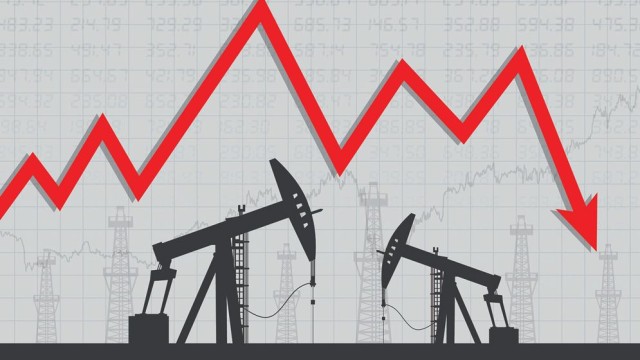
DHAKA, Mar 29 (V7N) – The shadow of Non-Performing Loans (NPLs) has deepened over Bangladesh’s banking sector, with the total default rate jumping to 31% by the end of 2025, according to the latest data from Bangladesh Bank. This represents a sharp increase from the 20.2% reported just a year prior, highlighting a growing liquidity crisis that is straining the nation’s financial stability.
Sector-Wise Breakdown: The Agriculture Shock
While the industrial sector has long been the primary driver of defaults, the most alarming spikes over the past 12 months occurred in agriculture and trade.
-
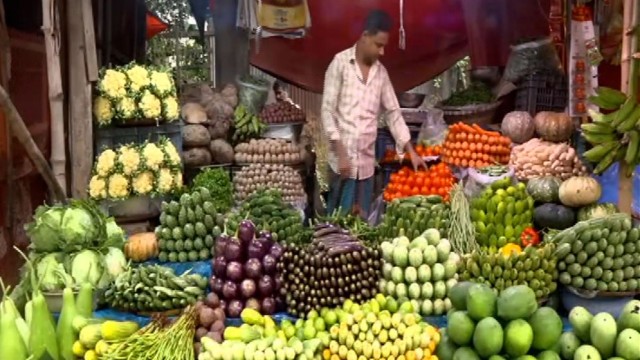
Agriculture & Rural Credit: Defaults in the agriculture sector skyrocketed from roughly 11% to nearly 28%.
-
Triple Growth: This nearly threefold increase is attributed to the withdrawal of several pandemic-era policy relaxations and the economic impact of the interim government’s transition period.
-
Policy Shift: To combat this, the central bank recently slashed provisioning requirements for short-term agri-loans to 0.50% (down from 1%–5%) to encourage banks to continue lending to farmers despite the high risk.
-
-
Trade & Commerce: This sector currently holds the highest concentration of bad debt, with a default rate of 42.5%. Analysts point to the "uncertainty" surrounding several large business groups and importers whose leadership shifted following the political changes in late 2024.
-
Consumer Loans (The Silver Lining): In a rare positive trend, the default rate for consumer loans (credit cards, personal loans) decreased to 3%. Experts suggest this is due to stricter vetting by private banks and a shift toward more cautious, retail-focused lending strategies.
Factors Driving the Crisis
Financial analysts and Bangladesh Bank officials have identified four primary "pain points" contributing to the surge:
-
Transparency & Disclosure: Under the new administration and Governor Dr. Ahsan H. Mansur, the central bank has stopped "hiding" bad loans through lenient rescheduling. This has brought trillions of Taka in previously concealed "distressed assets" into the official NPL category.
-
Corporate Instability: Following the fall of the previous government, many "willful defaulters" and high-profile entrepreneurs from major conglomerates have either left the country or are facing legal freezes, making loan recovery virtually impossible in the short term.
-
Macroeconomic Pressure: Market-based interest rates (currently averaging 12.03% for business credit) and a volatile exchange rate have made debt servicing significantly more expensive for mid-sized enterprises.
-
Election Timing: A temporary "cosmetic" dip in defaults was noted in late Q4 2025 (dropping from a peak of 35.7% in September) as candidates for the 13th National Parliament were forced to regularize their debts to qualify for the March 12 elections.
The Path to Stability
To address the mounting pressure, Bangladesh Bank has introduced several "emergency" measures:
-
Forced Mergers: Weak banks with NPL ratios exceeding certain thresholds are being directed toward mergers with stronger institutions to protect depositors.
-
Write-off Relaxations: New rules allow banks to remove the "unsecured" portion of bad loans from their books faster, provided they have maintained adequate provisions.
-
Legal Reform: The government is drafting a new Bank Company Act aimed at empowering the central bank to seize assets of "willful defaulters" without lengthy court delays.
Despite these efforts, economists from the Center for Policy Dialogue (CPD) warn that with nearly one-third of all disbursed loans currently in default, the banking sector faces a "structural challenge" that may take years to resolve.
END/SMA/AJ