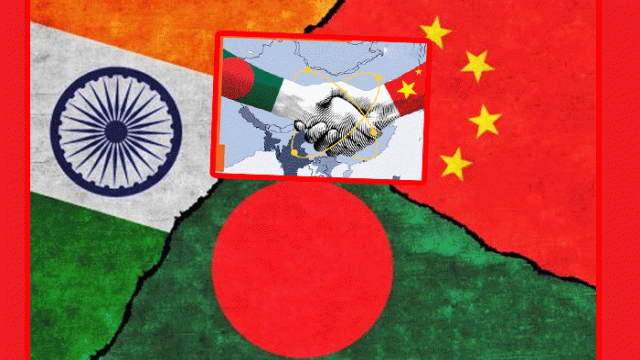
Dhaka, Feb 9 (V7N) — Bangladesh’s upcoming national election on February 12 is expected to add a new dimension to South Asia’s geopolitical balance, with analysts observing growing Chinese influence in Dhaka alongside visible strains in India-Bangladesh relations.
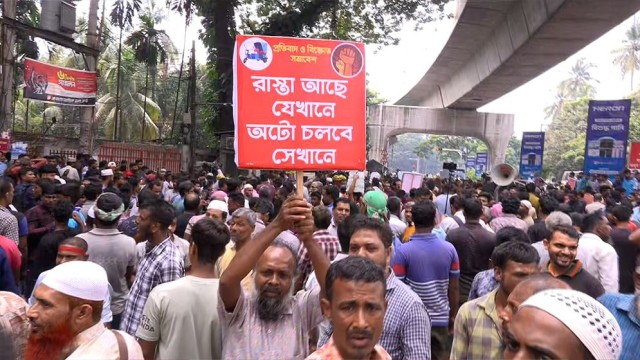
This will be the country’s first national election since the fall of former prime minister Sheikh Hasina’s government following a student-led mass uprising in August 2024. The interim administration is currently headed by Nobel laureate Dr. Muhammad Yunus.
Relations between Dhaka and New Delhi cooled after India declined Bangladesh’s request to extradite Sheikh Hasina and instead granted her shelter. In response, Bangladesh has moved to strengthen ties with China and Pakistan.
Analysts say China is gaining strategic ground in Bangladesh’s evolving political reality. Joshua Kurlantzick, a senior fellow at the US-based Council on Foreign Relations, said both the interim administration and any future government are keen to deepen relations with Beijing.
He noted that Bangladesh has become increasingly important in China’s strategic planning in the Bay of Bengal region. The Yunus government’s decision to make China its first destination for a state visit has been widely viewed as a signal of this shift.
In January, Dhaka and Beijing signed a significant defense agreement to establish a drone manufacturing facility near a site proposed by India for an airbase in northern Bangladesh. Professor Delwar Hossain of Dhaka University’s Department of International Relations said Bangladesh-China relations are likely to deepen further regardless of the election outcome.
Meanwhile, tensions between Bangladesh and India have risen since Sheikh Hasina’s removal. India’s foreign ministry has raised concerns over alleged violence against minorities in Bangladesh, claims Dhaka has described as exaggerated. Police data indicate that at least 70 members of minority communities were killed in communal violence in 2025.
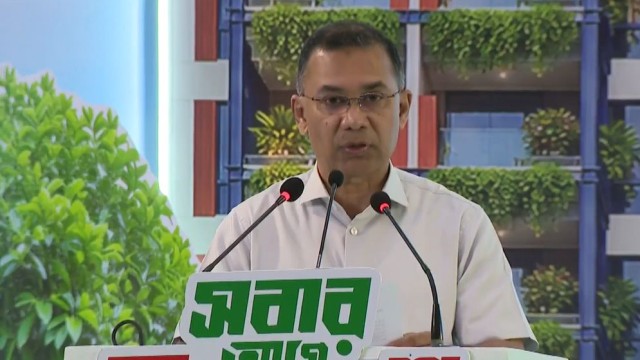
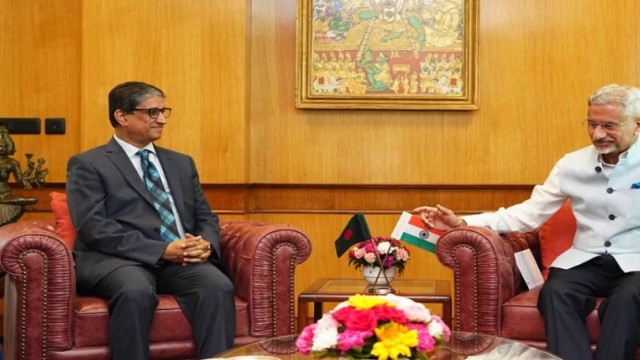
Despite tensions, there have been gestures aimed at easing relations. In January, Indian External Affairs Minister Subrahmanyam Jaishankar visited Dhaka to attend the funeral of former prime minister Khaleda Zia. Around the same time, Indian Prime Minister Narendra Modi conveyed condolences to BNP Acting Chairman Tarique Rahman.
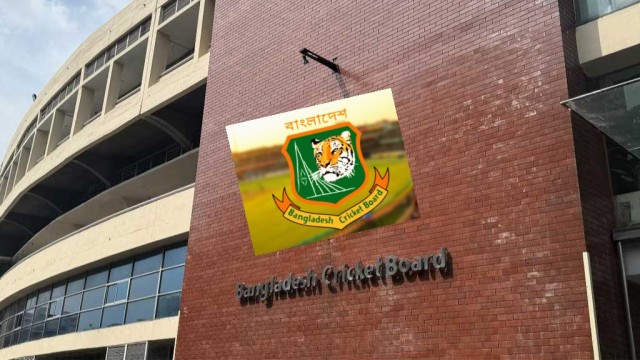
However, relations were further strained after a Bangladeshi cricketer was excluded from the Indian Premier League, prompting Bangladesh to withdraw from a T20 World Cup hosted in India.
Bangladesh has also taken steps to normalize relations with Pakistan. Direct flights between the two countries have resumed after more than a decade, signaling renewed engagement.
Analysts believe any new government in Dhaka may pursue improved ties with Pakistan while avoiding further deterioration in relations with India.
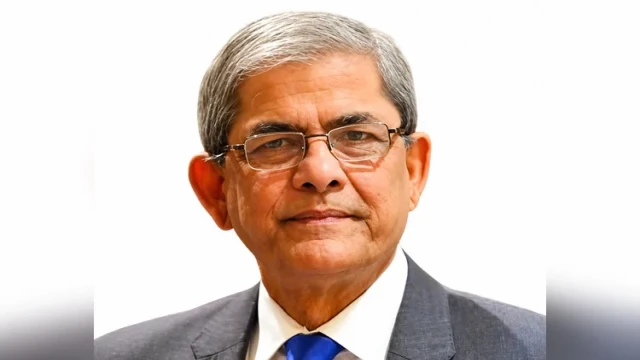
The International Crisis Group has noted that both India and Bangladesh are aware of the risks of worsening relations and are therefore likely to adopt pragmatic approaches. Former Bangladeshi diplomat Humayun Kabir said bilateral ties could stabilize after the election, particularly if the Bangladesh Nationalist Party comes to power.
He added that Jamaat-e-Islami, historically critical of India, is now also signaling a more pragmatic stance.
Despite political frictions, economic interdependence between India and Bangladesh remains intact. The only bilateral agreement canceled during Sheikh Hasina’s tenure involved Indian tugboat services. Former Indian diplomat Dilip Sinha said China’s capacity to support large infrastructure projects in Bangladesh exceeds India’s, but emphasized that India remains a crucial partner in electricity supply and yarn exports for Bangladesh’s garment industry.
Experts believe Bangladesh can manage its relations with both China and India through a policy of balance rather than rivalry, maintaining strategic autonomy while safeguarding national interests, according to an AFP analysis.
END/WD/SMA/