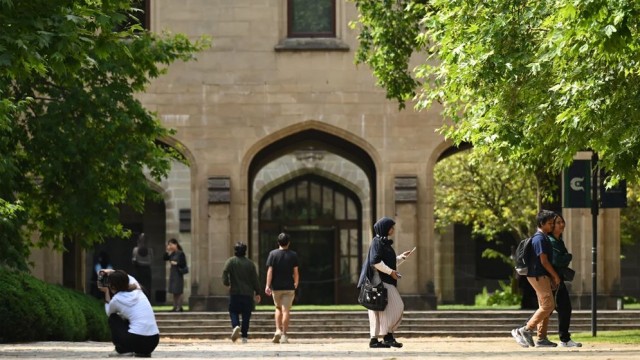
Canberra, Sep 17 (V7N)- Australia is tightening temporary migration rules, with most international students set to lose the ability to bring their partners and children with them while studying in the country.
The changes were announced by Home Affairs Minister Tony Burke on Thursday amid the government's efforts to reduce net overseas migration. The government is targeting a reduction from around 300,000 currently to 225,000 by 2028.
Under the new arrangements, international students will generally be barred from bringing family members to Australia. However, exceptions will apply to students from Pacific and ASEAN countries and those enrolled in certain courses, including PhD programs. Students and families already in Australia will not be separated under the changes.
The government is also introducing tighter rules for temporary migrants seeking to change visas or extend their stay. The measures are intended to reduce what officials describe as inappropriate “visa hopping” while ensuring people leave Australia when their visas expire.
The reforms also affect working holidaymakers. The government plans to limit second-year working holiday visas to 45,000 places, down from 57,000 who qualified this year, while third-year visas will be restricted through a ballot system with 5,000 places.
The changes come amid a wider political debate over Australia's migration levels, housing supply and infrastructure. One Nation has called for a much larger reduction in temporary migration, while the government says migration policy needs to balance population pressures with the country's workforce requirements.
Australia's net overseas migration reached a peak of 518,000 in 2023 before falling to 306,000 in the year to June 2025. International students accounted for more than half of the latter figure, according to the reported government data.
The latest reforms are part of the government's broader effort to manage temporary migration and ease pressure on housing while maintaining access to workers and international students needed by the Australian economy.
END/SMA/AJ