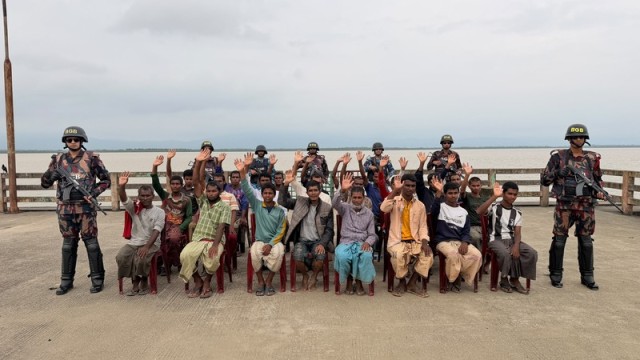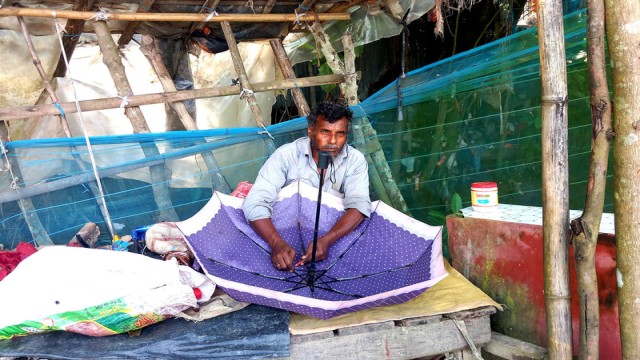
Dhaka, Aug 26 (V7N)- Bangladesh has been bearing the burden of more than 1.2 million Rohingyas, both old and new, for nearly a decade. Although many of those who fled Myanmar want to return to their homeland, there is still no clear prospect of sustainable repatriation.
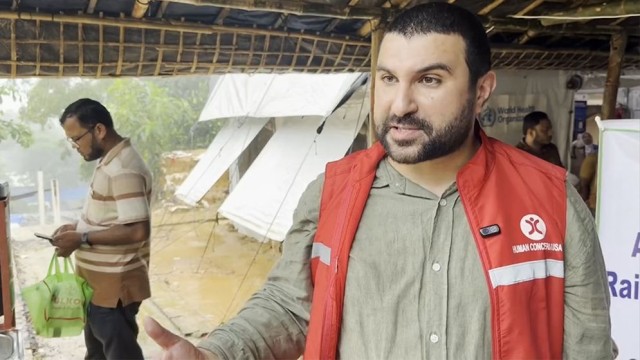
International political analyst and journalist Sami Hamdi, who has long worked on issues concerning refugees and displaced people, has warned that Myanmar is pursuing various strategies to prevent the Rohingyas from returning home.
According to Hamdi, Myanmar does not want the Rohingyas to return. Instead, the country's junta authorities are working through various channels, including at the United Nations, to obstruct the repatriation process.
He said the Rohingya population has faced serious abuses, including killings, rape and ethnic persecution. Despite Myanmar's claims regarding instability in Rakhine State, the situation has not returned to normal even after nine years.
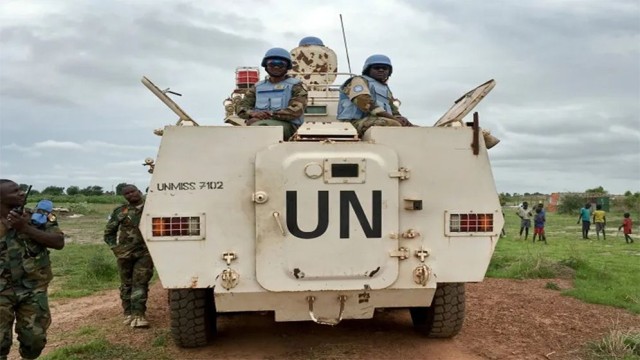
Hamdi urged Bangladesh to take a leading political initiative to address the crisis. He said international political efforts are necessary to restore stability in Rakhine and suggested that the United Nations could consider deploying a peacekeeping mission if necessary.
The analyst also stressed the need for a clear national strategy and political consensus on the Rohingya issue. Without a specific roadmap, he warned, Bangladesh could face difficulties in securing sustained international support for the refugees.
Referring to economic opportunities, Hamdi said Bangladesh could examine experiences such as Turkey's use of Syrian refugees in its economy. However, he cautioned Dhaka to carefully consider the consequences of any proposal to send Rohingyas to a third country.
He warned that if Rohingyas are relocated from Bangladesh to another country, Myanmar could view the move as a victory. Such a development could also create a precedent for further displacement and place additional pressure on Bangladesh.
Hamdi further cautioned that instability surrounding the Rohingya crisis could have wider regional and international consequences. If the crisis remains unresolved, he said, countries including Bangladesh, the United States, China and India could ultimately face the consequences.
END/SMA/AJ