WASHINGTON, July 22, (V7N) – The US military struck Iran's Larak Island in the Strait of Hormuz on Wednesday, after President Donald Trump warned he was "not finished" with a war that has already cost Washington $37.5 billion.
Fighting over the strategic strait led to the collapse of a preliminary US-Iran deal, but top US diplomat Marco Rubio reiterated Washington's stance that it remains open to a negotiated agreement. "We remain open to working it out in a negotiated way. But right now, they don't seem to be serious about that," Rubio said in Manila. He insisted the US was right to strike Iran because it was attacking Hormuz shipping and planning to rebuild its missile and drone capabilities.
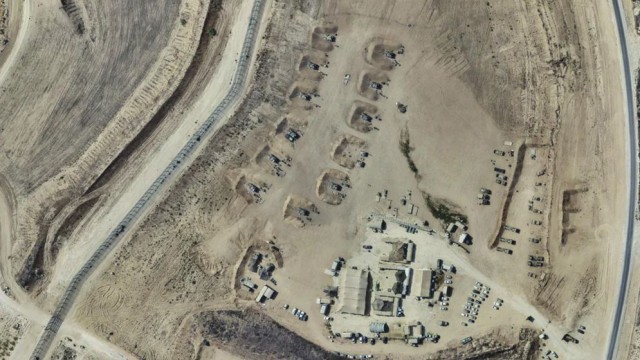
Iranian foreign ministry spokesman Esmaeil Baqaei had previously said diplomatic exchanges with Washington through mediators were continuing. On Wednesday afternoon, a US missile hit Larak, Iran's Tasnim news agency reported, with the extent of the damage being investigated. The US military has repeatedly targeted Iran's islands in the Gulf and the strait since hostilities resumed.
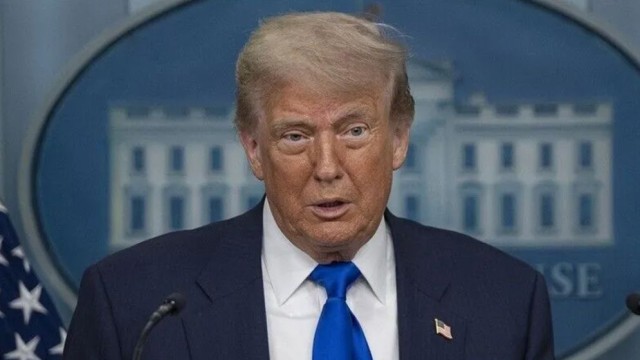
As the war nears the five-month mark and November legislative elections approach, Trump faces intense political pressure to end the conflict, which is unpopular even with segments of his base. Pentagon chief Pete Hegseth said the cost had soared to $37.5 billion, defending a request for tens of billions in additional funding. Trump himself has bucked the pressure, saying: "We're not finished at all... we're not leaving right now."
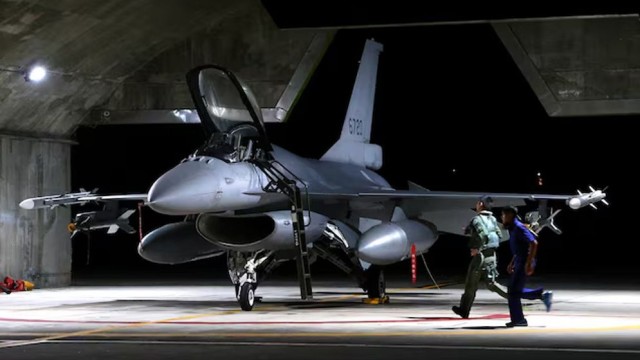
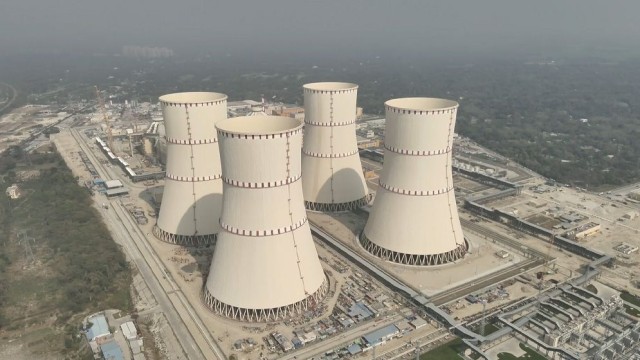
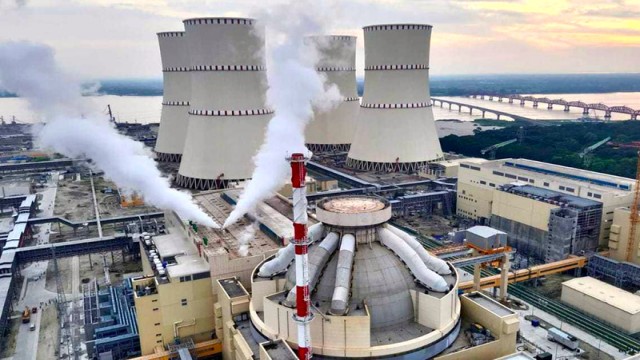
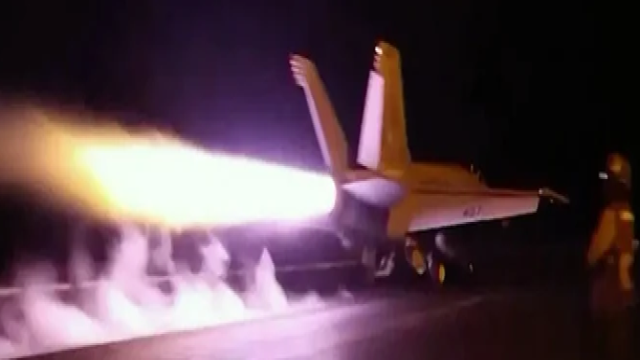
The US military said Tuesday it had launched an eleventh consecutive night of strikes against Iran, targeting military sites to "further degrade Iran's ability to threaten commercial shipping." Trump had earlier said the next US target could be Pickaxe Mountain (Kolang mountain), an underground nuclear site near Natanz where Western intelligence suspects Iran is building an undeclared enrichment facility.
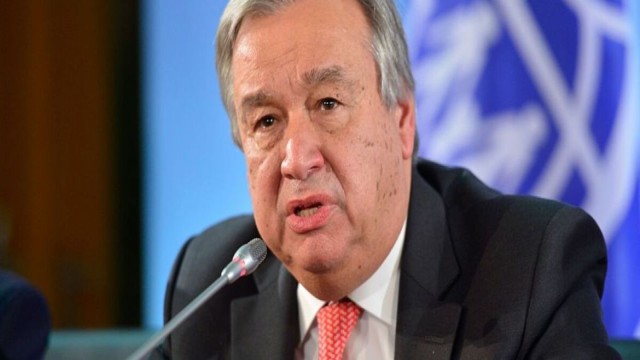
Iran threatened reprisals, with the Khatam Al-Anbiya military command saying it would "consider it as an expansion of war in the region" if such an attack were carried out, threatening strikes on "all the interests of America, the allies and supporters." Baqaei insisted that "Washington's obsessive focus on Kolang Kouh where no nuclear activity is taking place is nothing more than a fabricated pretext for aggression." He also questioned the whereabouts of IAEA chief Rafael Grossi, who had told the BBC that inspectors "should be there already" to check on Iran's stockpile of highly enriched uranium.
Tehran pressed its offensive against US-allied Gulf states. Kuwait's army said its air defences were engaging drones from Iran, while Jordan said it had shot down four Iranian missiles and four drones. Air alert sirens also sounded in Bahrain, with an AFP correspondent hearing an explosion. Iran's military said it targeted US assets in Kuwait and Bahrain, while the Revolutionary Guards said they targeted US bases in Jordan.
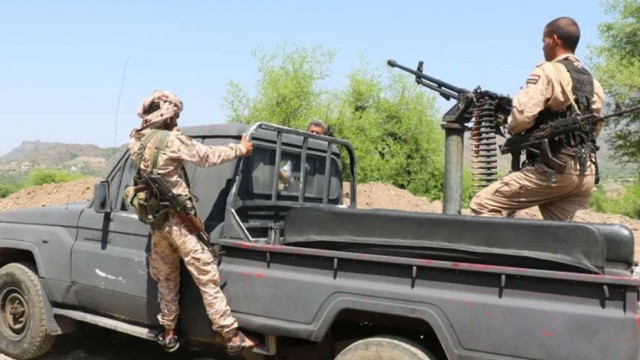
After Tehran's Houthi allies in Yemen threatened to blockade Saudi ports, Trump said he would "take care of" the rebels if they followed through. Brent Crude soared 4.4 percent to top $95 a barrel for the first time in six weeks. Maritime intelligence provider Vanguard Tech said two tankers "reversed course" in the Red Sea after loading crude at Yanbu. If the Houthis make good on the threat, they could endanger Riyadh's ability to bypass the Strait of Hormuz, with major repercussions for the global economy. Saudi Arabia and the Houthis traded fire last week for the first time in years, threatening a 2022 truce.
END/WD/RH/