TEHRAN, May 26, (V7N): Iran has accused the United States of launching a "gross violation" of their active ceasefire, warning that it stands ready to retaliate after overnight US military strikes targeted Iranian missile sites and naval vessels. The sudden flare-up directly threatens the delicate truce aimed at permanently ending the war.
Following the announcement of the bombing wave by US Central Command, the Brent benchmark oil price jumped by nearly 3 percent, while China urged both superpowers to respect the truce and seek a peaceful diplomatic resolution.
Key Developments in the US-Iran Conflict
The overnight escalation has disrupted regional stability and put international shipping routes on high alert. The core events of the past 24 hours include:
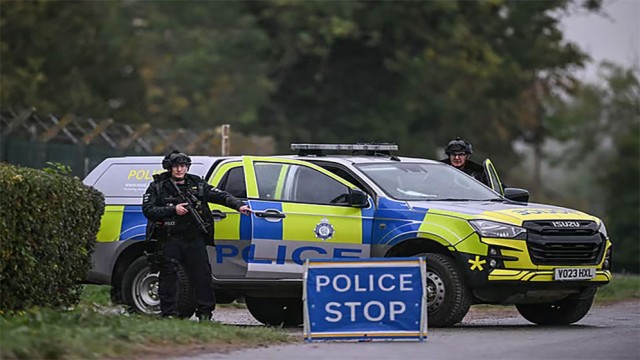
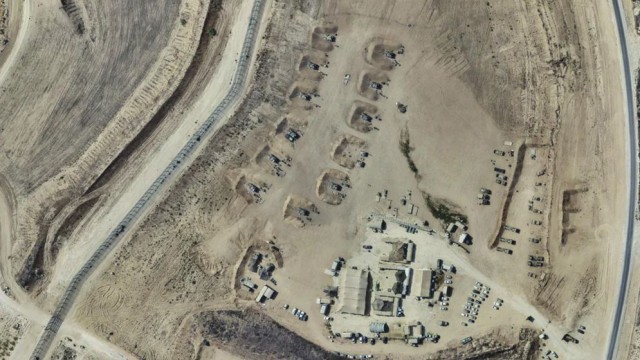
US Domestic Defensive Strikes: US Central Command confirmed it conducted self-defense strikes in southern Iran targeting missile launch installations and mine-laying boats near the Strait of Hormuz.
Iranian Retaliation Claims: The Islamic Revolutionary Guard Corps (IRGC) claimed its air defense units successfully downed an entering US military drone and opened fire on an American F-35 fighter jet over the Hormozgan region.
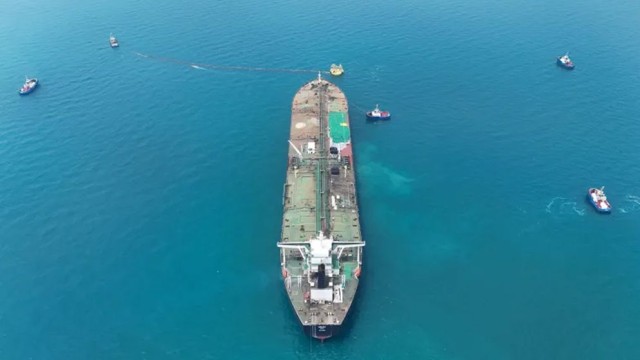
Maritime Explosion near Oman: The United Kingdom Maritime Trade Operations (UKMTO) reported that a commercial oil tanker sustained waterline damage off the coast of Oman following an "external explosion," though the vessel and crew remain safe.
Partial Internet Restoration: In a rare positive shift for Iranian citizens, connectivity monitor NetBlocks confirmed a partial restoration of internet access following a nearly three-month total blackout, which it labeled the "longest nationwide internet shutdown in modern history."
Diplomatic Standoff and Financial Terms
Despite the military exchanges, diplomatic channels remain open. US Secretary of State Marco Rubio stated during a visit to India that a comprehensive deal is still within reach, though he firmly warned that the Strait of Hormuz will remain open "one way or the other."
Negotiators are currently in Qatar trying to finalize a 14-point framework to end the war, which initially erupted on February 28 following coordinated US-Israeli airstrikes.
The $24 Billion Demand: According to Iran's Tasnim news agency, Tehran's negotiators are demanding the release of $24 billion in frozen global assets, insisting that at least half of these funds be made available immediately upon the signing of the initial memorandum of understanding.
Peace efforts face further complications due to regional spillover. While Iran demands that any peace accord must legally extend to the fighting in Lebanon, Israeli Prime Minister Benjamin Netanyahu vowed on Monday to "crush" Hezbollah, followed by fresh Israeli airstrikes targeting the southern Lebanese city of Nabatieh.