WASHINGTON, April 8 (V7N) – The United States and Iran have agreed to a two-week ceasefire, narrowly averting further escalation on the brink of a devastating deadline set by President Donald Trump. The agreement comes after more than a month of intense military conflict, which saw the US and Israel launch blistering attacks on Iranian infrastructure.
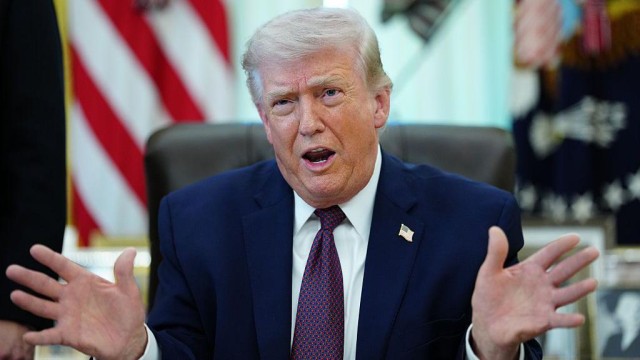
Ceasefire Agreement: Following President Trump's threat to obliterate Iran, both nations reached a deal just one hour before the deadline. As part of the ceasefire, Iran has agreed to temporarily reopen the vital Strait of Hormuz, a critical waterway for global oil shipments. Iranian Foreign Minister Abbas Araghchi confirmed that safe passage through the Strait will be ensured for two weeks.
Diplomatic Efforts: President Trump acknowledged that Pakistan's leadership had requested him to hold off on military strikes. A meeting is scheduled for Friday in Pakistan to kickstart peace talks between the United States and Iran, to end the prolonged conflict.
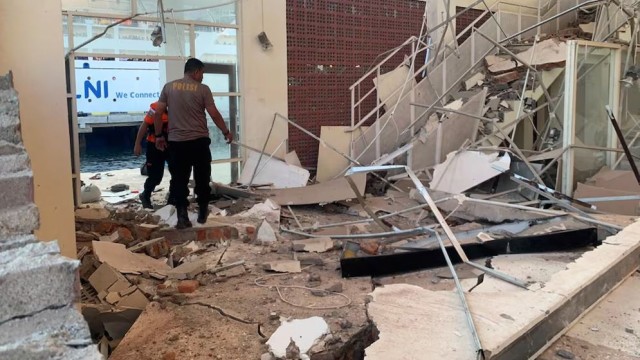
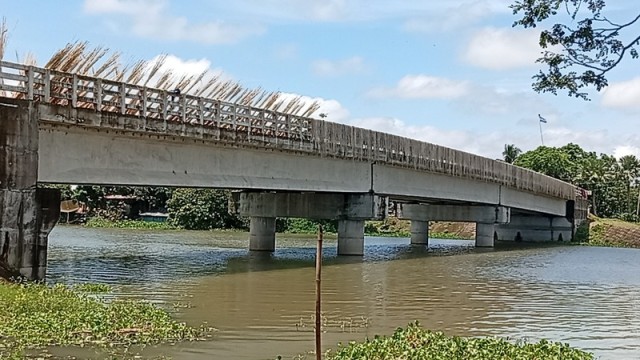
Military Strikes Before Ceasefire: Before the ceasefire took effect, the United States and Israel launched targeted strikes on key Iranian infrastructure, including railways and bridges allegedly used by Iran’s Revolutionary Guard. Despite the damage, Israel later issued a rare apology for damaging a synagogue in Tehran, saying it was targeting a senior commander.
Oil Prices Plunge: The announcement of the ceasefire led to a dramatic drop in oil prices by more than 17%. The conflict had previously caused a spike in oil prices, exacerbating the cost of living for Americans and putting political pressure on Trump’s administration.
Impact in the Region: While Israel's assault on Lebanon continues, with over 1,500 deaths reported due to Hezbollah rocket fire, the ceasefire could bring a temporary halt to hostilities in other areas. Pakistan's Prime Minister Shehbaz Sharif confirmed that the ceasefire will apply in all regions, including Lebanon, where Israel had been engaged in military operations.
Iran's Demands: Iran released a 10-point plan calling for the removal of US sanctions, guarantees of its dominance over the Strait of Hormuz, and the withdrawal of US forces from the region. The United States, however, has not agreed to these maximalist demands, although Trump has indicated a willingness to negotiate a long-term deal.
Continued Retaliations: Iran’s retaliation continues in the form of drone and missile strikes on Gulf states, including Qatar, Bahrain, Saudi Arabia, and the UAE, citing their role as hosts for US troops. Several casualties have been reported from these attacks.
The Human Cost: Civilians in both Iran and the wider region have suffered significant casualties. In Baghdad, two civilians, including a child, were killed by missile debris. Iranians, who have lived through a brutal crackdown on protests months earlier, have responded with public displays of patriotism, forming human chains around critical infrastructure to protect it.
This ceasefire marks a critical moment in a conflict that has already had profound effects on global stability, including energy markets, civilian casualties, and regional geopolitics. A peace agreement, if reached, would likely ensure the continuation of the Islamic Republic of Iran, despite US and Israeli hopes to topple the regime.
END/WD/RH