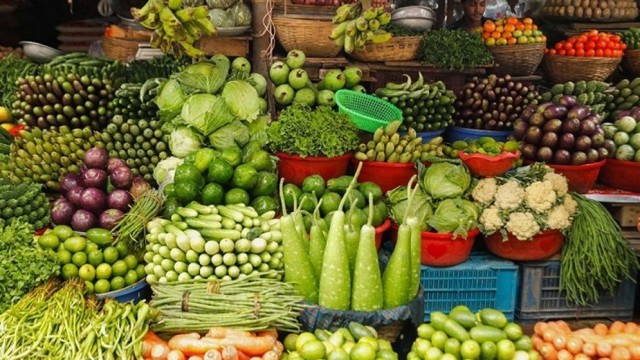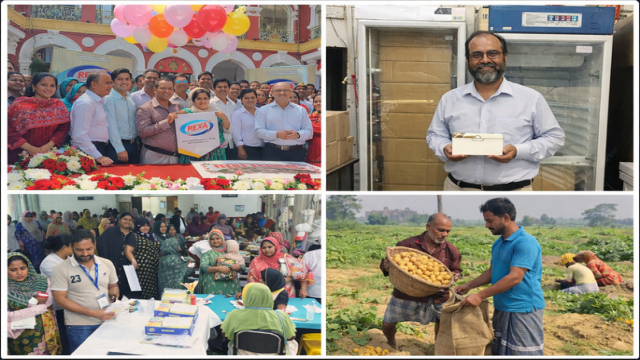
Rajshahi, Apr 1 (V7N) – The current socio-economic landscape of the Rajshahi district presents a complex tapestry of systemic struggle, public health urgency, and humanitarian advancement. At the heart of the region’s economic distress is the agricultural crisis unfolding in Tanore upazila, where the potato harvest has become a source of financial ruin rather than prosperity. Despite the abundance of the crop, the market mechanics have failed the primary producers, with prices plummeting to a dismal range of Tk 13 to 14 per kg. When compared against the average production cost of Tk 18 per kg, it becomes clear that farmers are operating at a significant deficit, losing their capital with every sack sold. This price disparity is not merely a result of market fluctuations but is exacerbated by a series of exploitative practices that drain the resources of the rural workforce.
Compounding the misery of the farmers is the controversial and parasitic “dhalon” system, an informal trade practice where wholesalers demand extra quantities of produce beyond the weighed amount without providing payment. This systemic theft, combined with the exorbitant costs of cold storage, has left small-scale cultivators in a state of desperation. Furthermore, the emergence of an artificial sack shortage has added a layer of predatory profiteering to the crisis. Allegations suggest that a coordinated syndicate has manipulated the supply chain to drive the price of individual sacks up to Tk 180 or even Tk 200. Agricultural experts are now sounding the alarm, noting that if these marginal farmers are pushed out of the industry by sustained losses, the long-term food security of the entire region could be compromised.
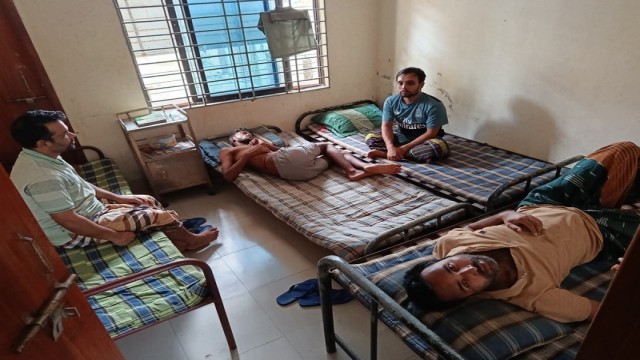
As the rural economy falters, the urban healthcare infrastructure is grappling with a sudden and alarming surge in measles cases. Rajshahi Medical College Hospital has become the epicenter of this outbreak, with the pediatric wards filled with infants who are particularly vulnerable. A concerning trend identified by medical staff is that the majority of the infected children are under nine months of age, meaning they have not yet reached the age threshold for their first scheduled vaccination. This gap in immunity has led to 286 admissions over the last two months, with nearly 100 children currently undergoing intensive treatment. In response, hospital authorities have been forced to implement emergency measures, including the establishment of dedicated isolation wards to prevent cross-infection and manage the high volume of patients.
While the measles outbreak highlights the fragility of public health, a monumental influx of medical aid has provided a much-needed lifeline for the region’s specialized care sectors. The Rajshahi Medical College Hospital recently announced the receipt of a massive donation of essential medicines valued at approximately Tk 100 crore. This contribution, facilitated by the US-based humanitarian organization Direct Relief, focuses on high-cost treatments for chronic and complex conditions such as cancer, asthma, and arthritis. For many patients who previously found these medications financially inaccessible, this donation represents the difference between life and death. The hospital has already initiated the distribution process, ensuring that the benefits of this international partnership reach the most marginalized segments of the population immediately.
Amidst these heavy challenges of economics and illness, the district also paused to celebrate its rich intellectual heritage through the 154th foundation day of Rajshahi College. The event was marked by a vibrant display of cultural pride, featuring colorful processions and commemorative ceremonies that drew together students, faculty, and alumni. As one of the oldest and most prestigious educational institutions in the country, the college utilized the anniversary to reflect on its legacy while looking toward the future. The administration emphasized that the preservation of history must be balanced with the aggressive modernization of the curriculum. There is a growing consensus that for Rajshahi to thrive in a globalized economy, its students must be equipped with contemporary skills that transcend traditional boundaries.
The juxtaposition of these events reveals a district at a crossroads, where traditional livelihoods are being tested by modern market failures and biological threats. The plight of the Tanore potato farmers serves as a stark reminder that record-breaking yields do not equate to prosperity if the supply chain remains rigged against the producer. At the same time, the medical crisis at RMCH underscores the constant vigilance required to protect the most vulnerable members of society from preventable diseases. However, the resilience of the local community is bolstered by the influx of global humanitarian aid and the enduring strength of its educational pillars. These developments suggest that while the immediate hurdles are significant, there is a foundation of support and institutional history that continues to drive Rajshahi toward a more stable and progressive future.
The effectiveness of the response to these crises will likely depend on the government’s ability to intervene in the agricultural sector and stabilize the healthcare system. Regulating the cold storage industry and dismantling the syndicates that control the price of essential farming materials are necessary steps to prevent a complete exodus of farmers from the potato trade. Simultaneously, health officials may need to re-evaluate vaccination timelines or conduct localized immunization drives to protect infants before they reach the standard nine-month mark. The logistical success of distributing Tk 100 crore worth of medicine proves that the administrative capacity for large-scale management exists within the district, provided there is sufficient external and internal cooperation.
Furthermore, the role of Rajshahi College in this transition cannot be overstated, as it remains the primary incubator for the leaders and professionals who will eventually navigate these regional challenges. By fostering an environment that values both cultural history and technological advancement, the institution provides the intellectual framework necessary for long-term recovery. The celebration of its 154th year is not just a nod to the past, but a commitment to maintaining a standard of excellence that can withstand the socioeconomic pressures currently facing the district. This blend of tradition and adaptation is what defines the spirit of Rajshahi as it navigates this period of intense flux and transformation.
Ultimately, the narrative of Rajshahi on this first day of April is one of stark contrasts. It is a story of a farmer losing his livelihood in a field of plenty, a child fighting a fever in a crowded ward, and a student marching for the future of education. Each of these threads is interconnected, forming the complex reality of a region that is simultaneously struggling with the weight of its problems and the promise of its potential. The path forward will require a synchronized effort to address the immediate financial and physical suffering of the people while continuing to build the institutional strengths that offer a glimmer of hope. Whether through the arrival of life-saving medicine or the reform of agricultural trade, the district remains a vital and resilient part of the national fabric.
The regional administration's ability to tackle the "dhalon" system and the sack syndicate will be a litmus test for its commitment to social justice in the agricultural sector. Without such intervention, the cycle of debt for potato farmers will only deepen, leading to a potential decline in land utilization for the next season. This would create a secondary crisis of food inflation, affecting not just the farmers of Tanore but consumers across the country. The health department's management of the measles surge similarly requires more than just reactive treatment; it demands a proactive communication strategy to educate parents on early symptoms and the necessity of isolation during the contagious phase of the illness.
On the humanitarian front, the massive medicine donation from Direct Relief serves as a model for how international cooperation can fill critical gaps in local healthcare infrastructure. By providing specialized drugs that the state budget often cannot fully cover, such partnerships alleviate the financial burden on the poorest families. This allows the hospital to redirect its internal resources toward managing acute outbreaks like the current measles situation. The synergy between international aid and local institutional resilience provides a blueprint for how Rajshahi can manage future emergencies, ensuring that no single crisis completely overwhelms the system’s capacity to function.
As the foundation day celebrations of Rajshahi College conclude, the focus must return to the practical application of the modern education the authorities advocated for. If the institution can produce graduates who are capable of innovating in agricultural technology or public health management, the long-term outlook for the district becomes significantly brighter. The modernization of education is not a luxury but a necessity for a region that frequently faces the intersection of natural productivity and systemic inefficiency. Equipping the next generation with the tools to dismantle syndicates and manage global healthcare partnerships will be the true legacy of the college’s 154 years of service.
The convergence of these various factors—economic exploitation, health emergencies, humanitarian gifts, and academic milestones—paints a picture of a society in high gear. There is no single solution to the multifaceted issues facing Rajshahi, but rather a need for a holistic approach that recognizes the link between the health of the economy and the health of the people. As the farmers wait for a change in market prices and the medical staff work through the night in isolation wards, the district remains a hive of activity and endurance. The hope is that the positive developments in medicine and education will eventually outweigh the pressures of the current crises.
In conclusion, Rajshahi stands as a microcosm of the broader challenges facing many developing regions where progress and poverty often exist in the same space. The resilience of its people, from the potato fields to the hospital corridors, is the primary force keeping the district moving forward. With the right support from both local government and international partners, the current hardships can be mitigated, allowing the region to capitalize on its rich history and agricultural bounty. The story of Rajshahi today is one of endurance, reflecting a community that is used to weathering storms while continuing to build for the generations to come. Through this lens, the current crises are not just obstacles, but catalysts for the systemic changes necessary for a more equitable and healthy future.
END/RAR/RH/