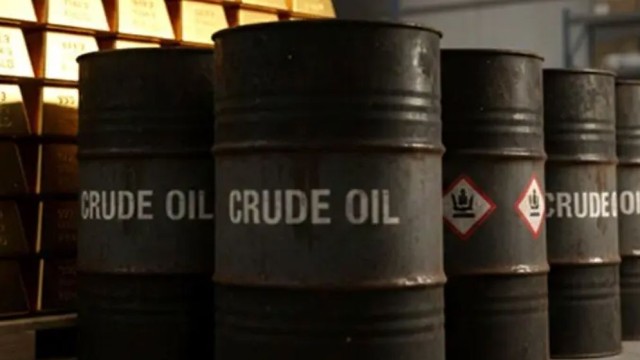
Washington, Apr 08 (V7N) – Venezuelan crude oil is once again being processed in United States refineries, signaling a notable shift in energy policy despite years of sanctions and diplomatic tensions.
According to a report by BBC News, the renewed flow of oil follows relaxed US restrictions amid global supply concerns and geopolitical instability.
Sources indicate that Venezuelan crude has resumed reaching refineries along the US Gulf Coast after Chevron received authorization to import oil under special licenses. Chevron is currently importing significant volumes, with shipments expected to increase further in the coming months.
Industry data shows that US refiners had already begun processing Venezuelan crude earlier this year, with facilities capable of increasing intake as supply grows.
Recent reports also suggest that Venezuela’s oil exports have rebounded, supported in part by increased shipments to US-linked buyers and partners.
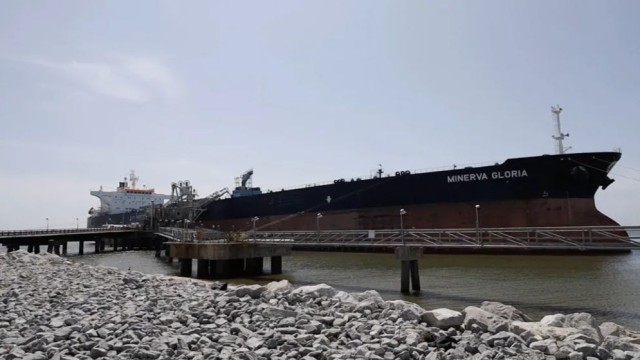
One such shipment includes the tanker Minerva Gloria, carrying approximately 400,000 barrels of crude—cargo that would have been restricted under earlier sanctions regimes.
The United States’ reliance on Middle Eastern oil has significantly declined in recent years. Energy diversification and domestic production have reduced imports from the region to historically low levels, reshaping global supply dynamics.
Experts note that the move goes beyond commercial interests. Despite ongoing sanctions related to Nicolás Maduro, Washington appears to be prioritizing energy security in a volatile global market. This shift is also providing economic relief to Venezuela, whose oil-dependent economy has struggled for years.
However, the renewed trade is not without controversy. Critics argue that engaging with Venezuela’s leadership could raise long-term questions about US foreign policy consistency, particularly regarding governance and human rights concerns.
Still, analysts believe that the resumption of Venezuelan oil flows could play a key role in stabilizing global energy markets and creating a new geopolitical balance in the oil sector.
END/SMA/AJ