


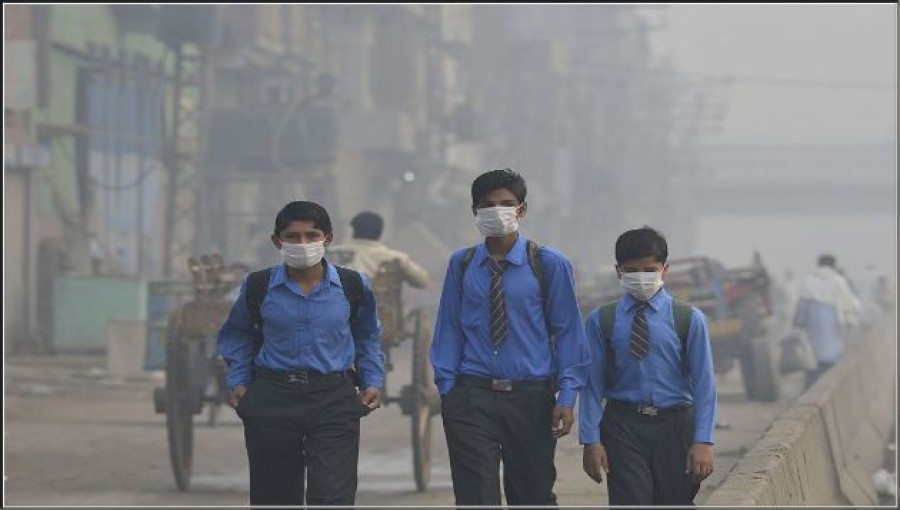
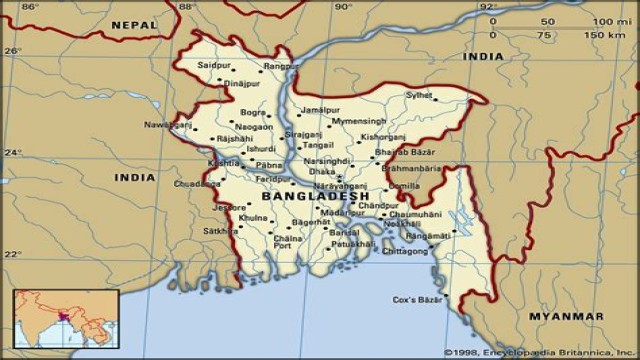
DHAKA, March 20, (V7N) — Dhaka, the bustling capital of Bangladesh, continues to grapple with severe air pollution, ranking 10th among the world’s most polluted cities on Friday morning. At 11:15 am, the city recorded an Air Quality Index (AQI) of 126, placing it in the “moderate” category. While this level is generally considered acceptable, it still poses risks to sensitive groups such as children, the elderly, and those with respiratory conditions.
On the same day, cities like Tashkent in Uzbekistan, Bishkek in Kyrgyzstan, and Hangzhou in China topped the global pollution list with AQI scores of 162, 156, and 155 respectively. Dhaka’s position among the top ten highlights the persistent challenge it faces in managing urban air quality, despite not being the worst globally at that moment.
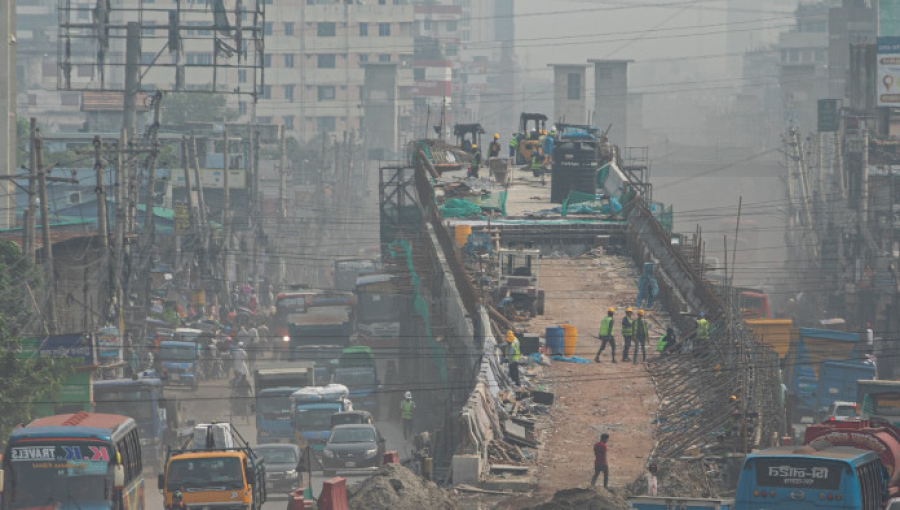
Bangladesh calculates AQI based on five key pollutants: particulate matter (PM2.5 and PM10), nitrogen dioxide (NO₂), carbon monoxide (CO), sulfur dioxide (SO₂), and ozone (O₃). On Friday, PM2.5 was identified as the main pollutant, measured at 23.4 µg/m³, which exceeds the World Health Organization’s recommended safe levels. These fine particles, often generated by traffic, construction, and industrial activity, are particularly harmful as they penetrate deep into the lungs.
Pollution levels vary across Dhaka’s neighborhoods. Gulshan Lake Park recorded an AQI of 161, Baridhara 157, and North Badda 154 — all in the “unhealthy for sensitive groups” range. In contrast, Dhaka University’s Mukarram Building registered a much cleaner AQI of 28. This disparity reflects how traffic congestion, construction dust, and industrial activity create localized pollution hotspots.
Dhaka’s air quality typically worsens in winter due to brick kilns, stagnant air, and dust, while monsoon rains provide temporary relief by washing away pollutants. The World Health Organization estimates that air pollution causes around seven million deaths globally each year, linked to stroke, heart disease, chronic obstructive pulmonary disease, lung cancer, and respiratory infections. For Dhaka residents, prolonged exposure to AQI levels above 100 increases the risk of respiratory illness and cardiovascular problems.
The city’s recurring struggle with pollution underscores the urgent need for stronger environmental policies. Measures such as stricter regulation of brick kilns, improved traffic management, and expansion of green spaces could help reduce pollutant levels. While Friday’s AQI was classified as “moderate,” the presence of localized hotspots and seasonal spikes shows that Dhaka’s air quality remains a pressing public health concern requiring sustained attention.
END/CLM/RH/





















Comment: