Dhaka, Aug 25 (V7N)- Nine years have passed since the massive influx of Rohingyas from Myanmar's Rakhine State into Bangladesh, but the country has yet to repatriate a single Rohingya to Myanmar. Policymakers remain uncertain about when a sustainable repatriation process will actually begin.
Bangladesh is now looking to China for a possible breakthrough in resolving the prolonged crisis. Those concerned believe Beijing's strategic influence in the region could help pave the way for repatriation through a Dhaka-Beijing-Naypyidaw tripartite initiative.
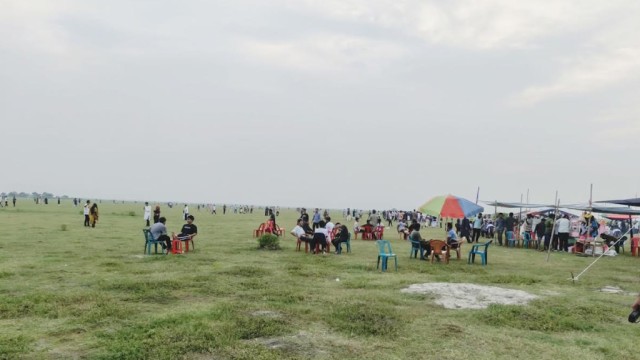
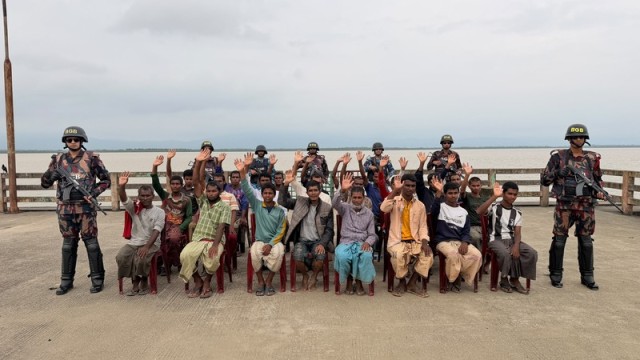
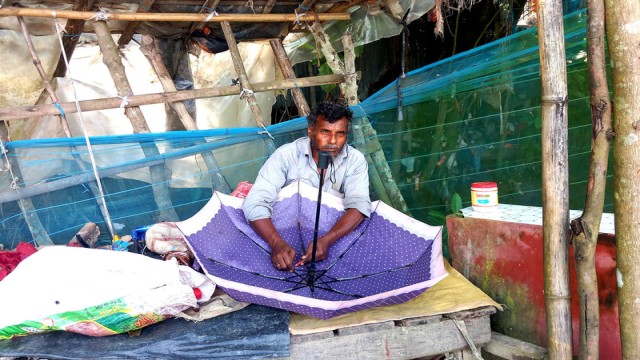
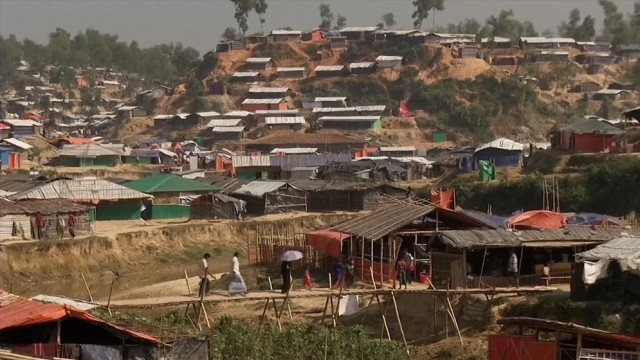
On August 25, 2017, amid military operations, violence and persecution in Myanmar's Rakhine State, around one million Rohingyas crossed into Bangladesh within a short period, seeking safety.
Since then, Dhaka has undertaken several diplomatic initiatives to resolve the crisis. Initially, Bangladesh and Myanmar signed a bilateral arrangement for repatriation. Differences later emerged over the role of international organizations, including the International Organization for Migration (IOM) and the UN Refugee Agency (UNHCR), in the process.
A new ray of hope emerged in 2019 through the Dhaka-Beijing-Naypyidaw tripartite initiative. However, despite diplomatic efforts, actual repatriation has not begun.
During the previous interim government, Chief Adviser Dr. Muhammad Yunus also expressed optimism about launching the repatriation process following discussions with the UN Secretary-General.
Meanwhile, China has pledged to support Bangladesh in finding a sustainable solution to the Rohingya crisis. During Prime Minister Tarique Rahman's visit to China, the issue was reportedly discussed, prompting Dhaka to place greater emphasis on Beijing's role amid complex regional geopolitical dynamics.
State Minister for Foreign Affairs Humayun Kabir said Bangladesh remains optimistic about its strategic partnership with China. He said improved relations between Prime Minister Tarique Rahman and Chinese President Xi Jinping could create opportunities for further discussions aimed at resolving the Rohingya crisis.
He expressed hope that Bangladesh, China and Myanmar could work together to make progress toward a sustainable solution.
At present, more than 1.5 million Myanmar nationals are living in Bangladesh, placing a significant humanitarian burden on the country. At the same time, international assistance for the Rohingya response has reportedly declined substantially.
Against this backdrop, Dhaka is also hoping to use Bangladesh's growing role in international diplomacy to keep the Rohingya crisis on the global agenda. The election of Foreign Minister Dr. Khalilur Rahman as President of the United Nations General Assembly is being viewed by the government as an opportunity to draw renewed international attention to the issue.
Officials and experts believe sustained international engagement, regional diplomacy and a credible repatriation framework will be essential to finding a lasting solution to the Rohingya crisis.
END/SMA/AJ