


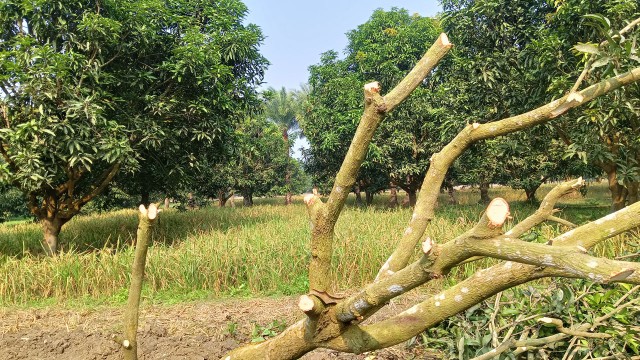
Rajshahi, Dec 19 (V7N) — Mango farmers in Rajshahi have been abandoning their orchards over the past five to six years as production costs rise while market prices remain low. In the last two years, more than 1,000 hectares of mango trees across various varieties have been uprooted, particularly in Bagha and Charghat upazilas, threatening both future mango production and the local economy.
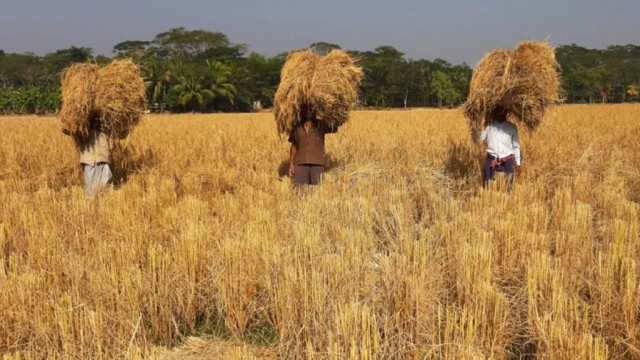
Farmers report that they were severely affected by low mango prices during the COVID-19 pandemic, and the market has not recovered since. Seasonal factors such as Ramadan, Eid, and Durga Puja also reduce demand as buyers temporarily leave major cities, further depressing prices. To secure alternative income, many are replacing mango orchards with crops like rice, wheat, vegetables, ginger, turmeric, guava, jujube, and dragon fruit.
Local authorities, including the Department of Agricultural Extension, Forest Department, and Environment Department, have yet to take effective measures to halt orchard destruction. Consequently, mango trees continue to be cut down daily.
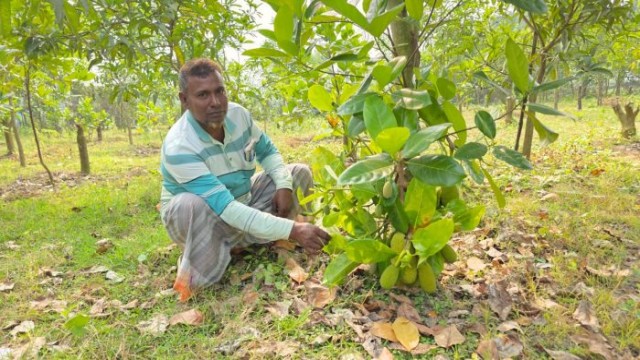
In Bagha and Charghat upazilas alone, official data shows that 714 hectares of mango orchards have been removed, though local estimates suggest over 1,000 hectares have been lost. Farmers cite unprofitable prices as the primary reason for clearing trees. For example, hobbyist farmer Hobi Mia of Dhandash village uprooted 30 mango trees across two bighas due to low returns. Similar actions are reported in Monigram, Helalpur, and other areas.
Experts note that competition from other regions, such as Satkhira and Nawgang, which harvest early and fetch higher prices, has contributed to Rajshahi’s falling mango prices. Rajshahi’s late-variety mangoes flood the market simultaneously, driving down prices. Unlike other crops, mangoes cannot be stored for later sale, forcing farmers to abandon cultivation when prices are unprofitable.
The cleared orchards are now being repurposed for other profitable crops suitable for Rajshahi’s land, including rice, wheat, vegetables, ginger, turmeric, guava, jujube, and citrus. Mango timber is also utilized for fuel, construction, furniture, and board production, with mature trees providing wood for high-quality furniture.
According to Papia Rahman Mauri, Additional Deputy Director (Horticulture) of the Rajshahi Department of Agricultural Extension, approximately 400.5 hectares of mango trees have been cut in the past two years. Forest Department officials report they monitor only government-managed forests and do not track private orchard removals. Meanwhile, the Environment Department stated that although they lack exact data on tree felling, they will investigate reported cases due to potential environmental damage and long-term ecological impacts.
Economists emphasize that declining mango prices, reduced profitability, and competition from other regions are driving farmers to shift from mango cultivation to more reliable and profitable crops, impacting both production and local livelihoods.
END/MRA/SMA/









Comment: