Rangamati, Oct 26 (V7N) – The government and local administration have initiated dialogue to resolve the ongoing crisis in Sajek, Rangamati, forming a committee involving traditional headmen and karbaris to help bring protesters to the negotiating table.
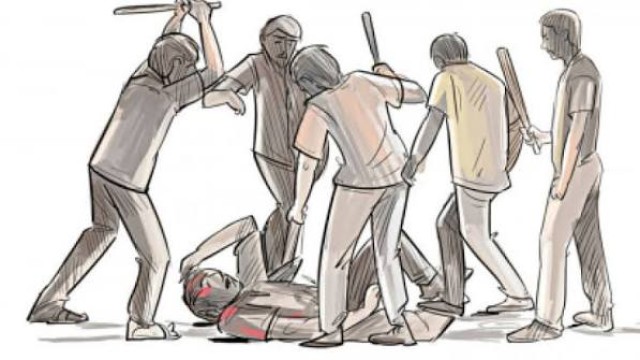
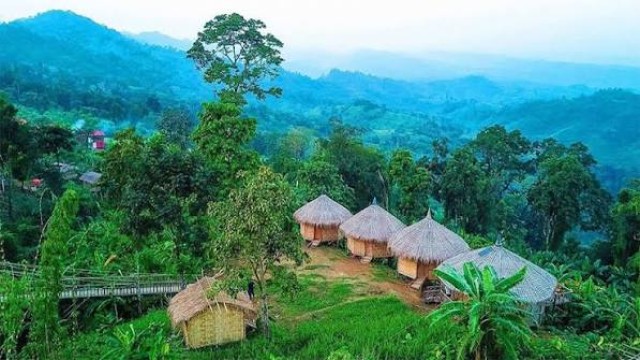
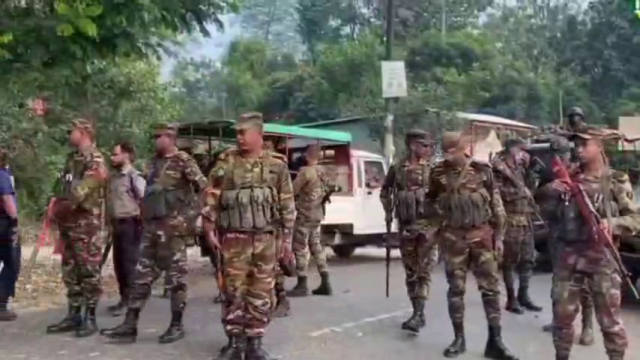
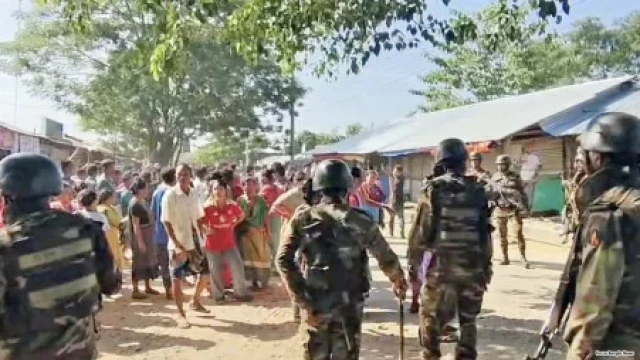
The initiative comes amid tensions surrounding a five-point movement and allegations of attacks, baton charges and vandalism during a blockade in Sajek, under Baghaichhari upazila. The prolonged disruption has also affected tourism and the livelihoods of local businesses and workers.
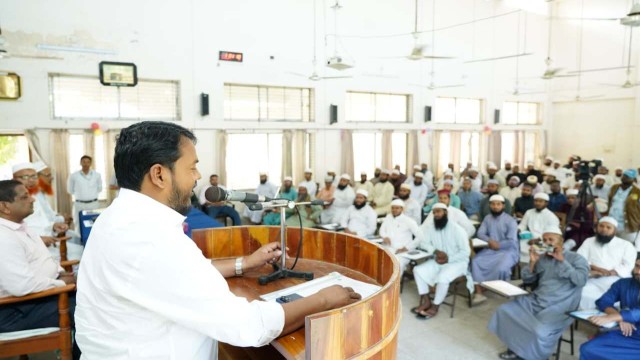
The decision was discussed at an emergency meeting with headmen and karbaris at the Rangamati Deputy Commissioner's conference room on Sunday. Khagrachhari MP Wadud Bhuiyan, chairman of the Parliamentary Standing Committee on the Ministry of Chittagong Hill Tracts Affairs, and Rangamati MP Advocate Dipen Dewan attended the meeting.
Participants stressed the need for dialogue, engagement with local leaders and efforts to address longstanding problems in the hill districts. The Baghaichhari Upazila Nirbahi Officer (UNO) was also assigned responsibility for taking necessary steps to facilitate the process.
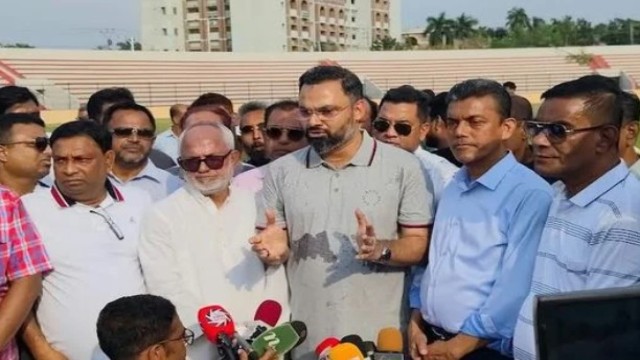
Speaking to journalists after the meeting, Wadud Bhuiyan said the government led by Tarique Rahman was committed to addressing fundamental problems in the hill districts. He said cooperation among relevant stakeholders was necessary to establish peace, stop extortion, prevent the spread of illegal firearms and improve law and order.
Bhuiyan said the government had formed three national-level committees to explore solutions through discussions with relevant stakeholders. Talks with regional political organisations, circle chiefs and other concerned parties were also being considered.
Asked why the protesters had not been included in the committee, he said the government would engage with local stakeholders and relevant parties through an appropriate dialogue structure.
Acknowledging the financial losses suffered by hotel, motel, resort and transport businesses and their workers because of the movement, he urged those affected to remain patient. He expressed hope that the dialogue initiative would help restore normal conditions.
Dipen Dewan also stressed that dialogue was essential to resolving the Sajek crisis. He said the government had not closed the door to negotiations and that efforts were underway to contact local leaders and bring the relevant parties into discussions.
He said identifying the appropriate representatives for talks was important and expressed hope that an environment conducive to dialogue could be established soon.
Dewan added that lasting solutions could not be achieved simply by excluding one side and engaging another. He said the administration needed to address the situation in accordance with the law, taking into account the presence of armed groups and disputes among them.
Meanwhile, questions have emerged over the representation of protesters and the use of banners in the Sajek movement. The relevant Headman-Karbari Association has reportedly denied that a banner used during the protests belonged to the organisation. A three-member committee involving karbaris is expected to examine the matter.
The dispute has raised questions about who represents the protesters, the positions of the organisations associated with the movement and who should participate in negotiations.
Rangamati Deputy Commissioner Nazma Ashrafi, Police Superintendent Muhammad Abdur Rakib, representatives of military and civilian agencies, and local headmen and karbaris attended Sunday's meeting.
The crisis has extended beyond political and organisational disagreements, affecting tourism, transport, accommodation, restaurants, small businesses and local livelihoods. Disruptions to tourist travel have caused concern among resort owners, transport workers and others dependent on the tourism sector.
Stakeholders say the dialogue initiative must identify the protesters' genuine representatives, assess their demands and improve security while creating conditions for the safe resumption of tourism. The outcome will depend on the willingness of all concerned parties to participate in meaningful negotiations.
END/AMR/SMA/