Rangamati, Sept 28 (V7N) – Surrounded by green hills and the blue waters of Kaptai Lake, Rangamati has long been one of Bangladesh’s most attractive tourist destinations. But pollution, encroachment, traffic congestion and inadequate tourism infrastructure are increasingly undermining the district’s potential, according to tourism stakeholders and experts.
The natural beauty of Kaptai Lake, hanging bridge, Shuvolong Waterfall and numerous other attractions draws thousands of visitors from across the country every year. Yet tourism infrastructure has not expanded at the same pace as visitor demand.
Unplanned urbanisation, indiscriminate parking, poor waste management, inadequate public toilets and a shortage of tourist-friendly jetties are among the problems facing the district. Concerns over pollution and encroachment along Kaptai Lake have also grown in recent years.
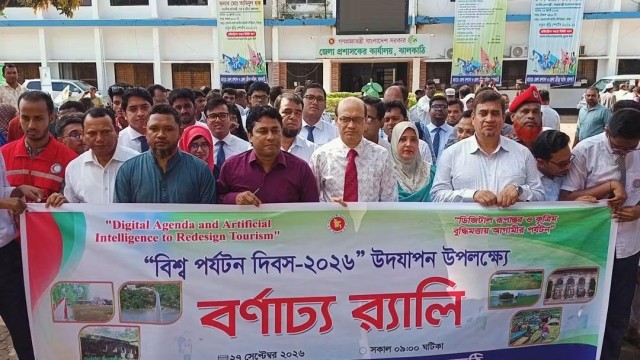
World Tourism Day is being observed on Sunday with a tourism fair, rally and discussion programme in Rangamati. However, tourism stakeholders say attention should extend beyond day-based programmes to addressing the sector’s longstanding infrastructure and environmental challenges.
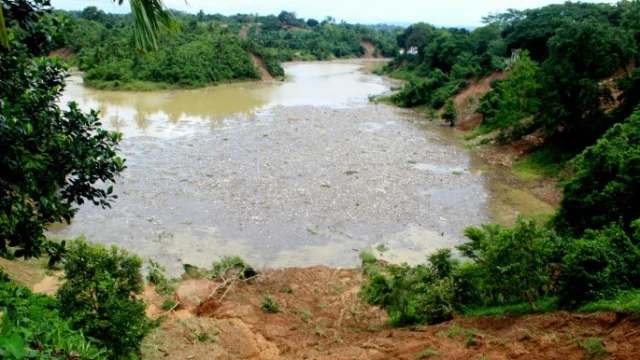
Kaptai Lake is at the heart of Rangamati’s tourism industry. Its blue waters, surrounding hills and scattered islands are major attractions for visitors. But tourism stakeholders have raised concerns over increasing pollution caused by waste dumping, unplanned structures, boat traffic and the discharge of waste and dirty water from various sources.
Plastic bottles, polythene bags, food packaging and other waste discarded by visitors are also contributing to environmental pressure on the lake. There are allegations that waste from drains and canals in the town is also flowing into the lake.
Encroachment along the lake shore and the construction of unplanned structures are further affecting the natural environment, according to local stakeholders.
Mohammad Solaiman, chairman of the CHT Tourism and Culture Research Centre, said Kaptai Lake has enormous potential to drive the tourism sector.
“The lake must first be protected from pollution and illegal encroachment to realise this potential,” he said, adding that improved transport, better urban management and community-based tourism involving local people were also necessary.
The hanging bridge, one of Rangamati’s most recognisable tourist attractions, is another area of concern. Although it remains popular with visitors from across the country, tourists have complained that the facility has not received adequate modernisation and maintenance over the years.
During the monsoon, rising water levels in Kaptai Lake sometimes reach the lower section of the bridge, forcing authorities to restrict visitor access. Stakeholders have also pointed to siltation in the lake and reduced navigability as factors contributing to the problem.
Visitors travelling long distances to Rangamati have expressed frustration when access to the bridge is restricted.
The condition of Rangamati town is another challenge for the tourism sector. Visitors entering the town often encounter piles of garbage and an unclean environment. Local residents have also raised concerns about waste and foul odours around the municipal dumping area.
Traffic congestion, indiscriminate parking, damaged roads, disorderly shops and roadside waste further affect the appearance of the tourist town. The situation becomes particularly difficult during holidays and peak tourism seasons when the number of vehicles increases.
The town also lacks sufficient public toilets, designated parking areas and tourist-friendly jetties. Modern and safe docking facilities for tourists travelling by boat on Kaptai Lake are also inadequate, according to visitors and tourism-related businesses.
Tourists and local businesses say improving these basic facilities could encourage visitors to stay longer and generate greater economic benefits for the local community.
Women entrepreneurs, hotel and resort operators and restaurant owners have also called for improvements to tourism infrastructure.
Regional political instability and complexities related to land in the hill district are also viewed by local stakeholders as challenges to the growth of the tourism industry. Local entrepreneurs say addressing these issues over the long term could create opportunities for new investment in the sector.
Tourism experts believe greater participation by local communities alongside domestic and foreign investors could create employment and ensure that tourism benefits reach local residents.
Fahim Hossain, a lecturer in the Department of Tourism and Hospitality Management at Rangamati Science and Technology University, said planned development was essential to realise the district’s tourism potential.
“Tourist attractions and natural waterfalls in different upazilas need to be developed in a modern and visitor-friendly manner,” he said, stressing that environmental protection and local community participation should be incorporated into tourism development plans.
Dipon Talukdar, chairman of the Rangamati Hill District Council, said the government has a master plan for developing the tourism sector.
He said initiatives would be taken under the plan to modernise tourist attractions in Rangamati town and different upazilas and make them more visitor-friendly.
Rangamati’s natural beauty has the potential to attract visitors from around the world, Talukdar said, adding that greater coordination between public and private organisations would be necessary to realise that potential.
Tourism-dependent businesses also called for easier access to loans and adequate financing for local entrepreneurs. They said improved banking facilities could encourage new investment at the local level.
They also stressed that tourism should not be viewed solely as a recreational sector but as an important source of local economic growth, employment and opportunities for small entrepreneurs.
Experts say constructing new facilities alone will not be enough to develop Rangamati’s tourism sector. Protection of Kaptai Lake, effective waste management, safety on waterways, traffic control, designated parking, public toilets, tourist-friendly jetties and regular maintenance of tourist attractions must all be incorporated into a coordinated development plan.
Nature remains Rangamati’s greatest tourism asset. Stakeholders say protecting that asset while developing tourism infrastructure in a planned manner could help Rangamati emerge as not only one of Bangladesh’s leading tourist destinations but also a destination of international interest.
Achieving that goal, however, will require long-term, coordinated and practical measures beyond programmes organised only around World Tourism Day.
END/AMR/SMA/