Rome, Aug 31 (V7N) – Italy and Spain have announced a 15-day extension of reciprocal border checks imposed in a dispute over a mass migrant influx into the Spanish north African territory of Ceuta last month, with both countries citing continued concerns over the situation.
The Italian interior ministry said the extension was "due to the continued relevance of the assessment factors that led to their introduction on August 1". Italy said it was "taking into account the initiatives already launched by Spain, together with the European Union, so that the situation in that area may move towards normalisation in the near future". Spain's interior ministry, which put in place border checks for travellers arriving from Italy for one month from August 8, responded by announcing a reciprocal 15-day extension.
Italy and Spain do not share a land border, but passengers arriving on flights now go through passport checks—which is normally not the case because both countries are members of the Schengen free-travel zone. Ceuta is not part of Schengen, and any travellers continuing to mainland Spain must pass border controls.
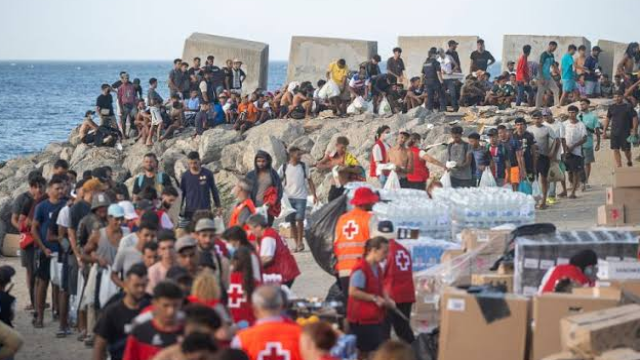
More than 70,000 migrants entered Ceuta on July 30-31, swimming or crossing on foot from neighbouring Morocco in a chaotic influx that left scores dead and fuelled fresh tensions in the European Union over migration. Italy's far-right Prime Minister Giorgia Meloni was among the EU leaders who called for Spain to be suspended from the Schengen area, even though such a move is legally impossible.
Spanish Prime Minister Pedro Sanchez said on Monday the rush of migrants was still under investigation, though he ruled out any responsibility on the part of Moroccan authorities. In a radio interview, the Socialist leader also denounced misinformation spread by the "ultra-right".
Although the vast majority of migrants returned to Morocco within hours, thousands remain in Ceuta, which is only 18 square kilometres, many living rough on the streets. The border checks have caused delays at airports and frustration among travellers, reflecting the ongoing tensions over migration management in the region.