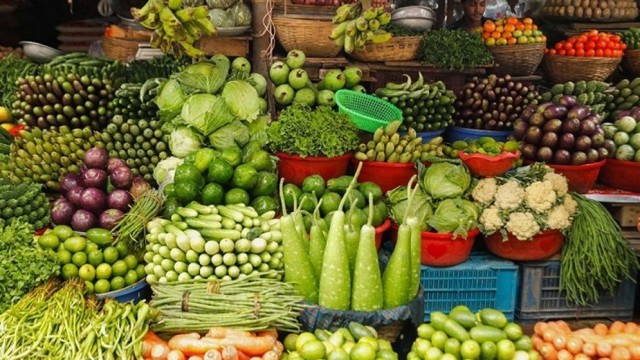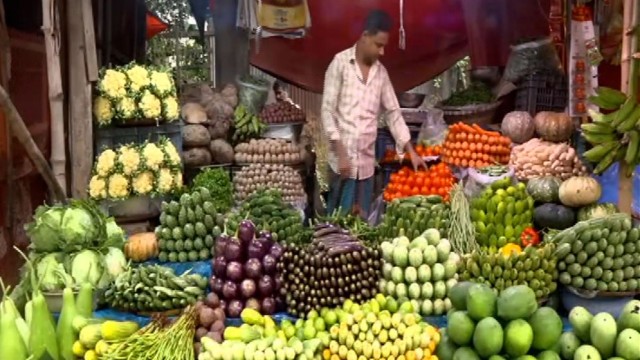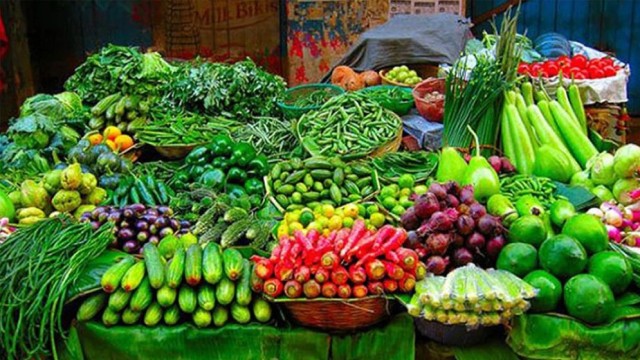
Dhaka, Oct 07 (V7N)- Vegetables are a daily part of the Bangladeshi diet, moving from farms to local markets and eventually to consumers' plates. However, concerns are growing over how safely vegetables are produced, handled and marketed, with research detecting pesticide residues and heavy metals in several commonly consumed vegetables.
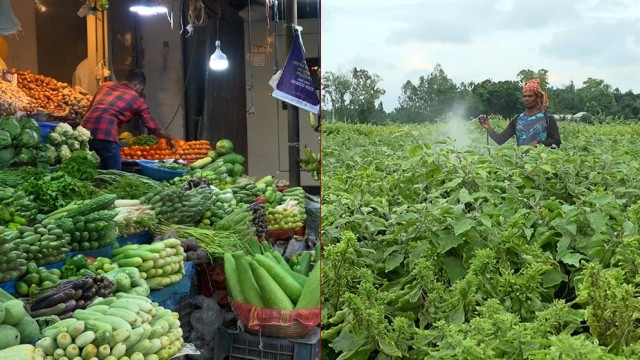
Farmers often turn to pesticide retailers for advice when crops such as brinjal are affected by insects or disease. In areas where regular agricultural extension services are limited, retailers can become a primary source of advice, recommending pesticides based on products promoted by different companies.
Concerns have been raised over the use of pesticides containing active ingredients from the mancozeb and cartap groups. Some pesticides containing these substances have faced restrictions or bans in different jurisdictions because of concerns over toxicity and environmental or health impacts.
The journey from the field to the consumer also creates food-safety concerns. After harvesting, brinjal and other vegetables are commonly taken to farmers' homes, sorted and packed before being transported to local warehouses and wholesale markets.
In Dhaka's Khilkhet market, vegetables are reportedly washed using water from market sinks, raising concerns about hygiene and possible contamination. Such practices can expose vegetables to additional contaminants before they reach retail markets and consumers.
Consumers generally cannot determine whether vegetables contain excessive pesticide residues or heavy metals simply by looking at them. Washing vegetables with clean running water can remove dirt and some surface contaminants, but it cannot be relied upon to eliminate all pesticide residues or heavy metals.
Recent research has detected pesticide residues and heavy metals in vegetables at levels that, in some cases, exceed permissible limits. Brinjal, cucumber and tomato have been identified among vegetables requiring particular attention.
Professor Dr Habibur Rahman of the Food Safety and Processing Institute said farmers need to observe the required waiting period between pesticide application and harvesting. He said farmers sometimes take produce to market only a few days after spraying, instead of following the recommended pre-harvest interval.
According to the researcher, consuming vegetables containing excessive pesticide residues over a prolonged period may increase health risks. He stressed that the presence of pesticides does not automatically mean vegetables are poisonous, but excessive use, improper application and harvesting before the recommended waiting period can increase potential risks.
He called for regular monitoring throughout the entire supply chain, beginning at the farm and continuing through transportation, wholesale markets and retail outlets, to ensure that vegetables reaching consumers are safe.
The concerns highlight the need for stronger agricultural guidance, responsible pesticide use, hygienic handling and effective food-safety monitoring so that vegetables can reach consumers without exposing them to avoidable health risks.
END/SMA/AJ