Sylhet, Aug 20 (V7N) — The Bangabir Osmani Smriti Sangsad, Sylhet, has called on the government to ensure due state recognition of General Muhammad Ataul Gani (M.A.G.) Osmani, the Commander-in-Chief of Bangladesh’s Liberation War, including the official observance of his birth and death anniversaries and the preservation and development of institutions and landmarks associated with his legacy.
The call was made ahead of General Osmani’s 108th birth anniversary, which will be observed on September 1, 2026. To mark the occasion, the organisation has planned a series of programmes in Sylhet, including Qur’an recitation, a milad and doa mahfil seeking the eternal peace of the departed soul of the national hero.
Speaking about the organisation’s demands, its president, Syed Ahmed Bahlul, said General Osmani deserved greater national recognition for his contribution to Bangladesh’s Liberation War and his service to the country before and after independence.
The organisation has submitted applications to the Prime Minister, the Minister for Liberation War Affairs and 19 Members of Parliament, seeking implementation of a series of measures to preserve and promote General Osmani’s historical legacy.
Among the demands are the addition of General Osmani’s name to the official name of Chattogram Cantonment, which he helped establish in 1951; the establishment of a C-in-C Bangabir General M.A.G. Osmani University of Science and Technology at one of the country’s major cantonments; and the construction of a modern museum and auditorium complex in Sylhet while preserving the original Osmani Museum structure.
The organisation has also called for September 4 to be officially recognised as ‘Teliapara Day’ to commemorate the historic meeting of military officers at Teliapara on April 4, 1971, which played an important role in organising the armed resistance during the Liberation War.
It further demanded that General Osmani’s life and contributions be incorporated into the curricula of schools, colleges, madrasas and universities; that his historical manuscripts be recovered and published at state expense; and that his birth and death anniversaries be observed officially by the state.
Other demands include ensuring full-fledged international operations at Osmani International Airport in Sylhet, modernising and preserving institutions named after General Osmani across the country, and adding the honorific ‘Bangabir’ to the names of relevant establishments.
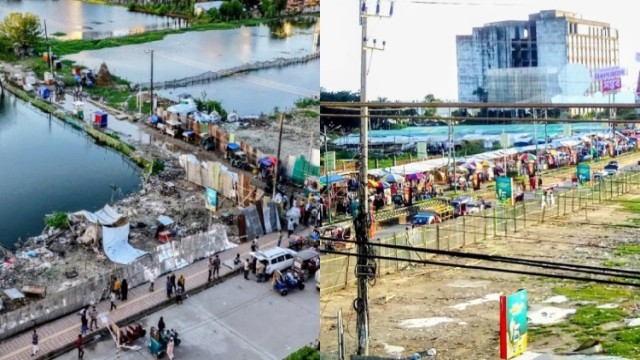
The organisation also called for the removal of illegal encroachment from Osmani Udyan in Dhaka and its transformation into a modern public park, along with the modernisation of Osmani Memorial Auditorium in the capital.
It demanded the immediate opening of the Bangabir General M.A.G. Osmani Public Library, Memorial Museum and charitable clinic at Dayamir in Osmani Nagar Upazila, and the construction of an auditorium in Sunamganj in memory of General Osmani.
The organisation also called for appropriate state recognition of General Osmani’s contribution to the Liberation War. However, official records show that Osmani was already awarded the Independence Award posthumously in 1985. In 2025, the government had initially considered awarding him the honour again, but his name was dropped from the final list because there is no precedent for awarding the country’s highest civilian honour to the same person twice.
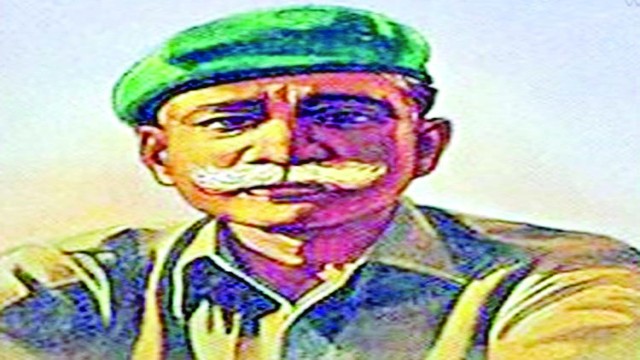
General M.A.G. Osmani was born on September 1, 1918, in Sunamganj, then part of British India, and died in London on February 16, 1984. He served as Commander-in-Chief of the Bangladesh Forces during the 1971 Liberation War and remains one of the most prominent military figures in the history of Bangladesh’s independence.
The organisation urged the government to take effective steps to preserve General Osmani’s historical legacy and ensure that his contributions to the country’s independence are properly documented and remembered by future generations.
END/RIM/SMA/