Dhaka, July 26 (V7N) — The resignation of President Mohammed Shahabuddin has created a new vacancy in Bangladesh’s highest constitutional office, placing the country’s political landscape at a critical juncture. Although the Constitution requires the election of a new president within a stipulated timeframe, the process is unlikely to be viewed as a mere constitutional formality given the prevailing political circumstances.
Instead, the presidential election has emerged as a significant political test for the ruling Bangladesh Nationalist Party (BNP), with observers viewing the choice of the next head of state as a reflection of the party’s political vision, democratic commitment, and approach to governance. With the BNP holding a parliamentary majority, its nominated candidate is widely expected to secure victory in the presidential election.
However, the key question remains whether the party will nominate an experienced politician or choose a widely acceptable, neutral, and non-political figure for the largely ceremonial but constitutionally significant position. This debate has triggered intense discussions, political calculations, and behind-the-scenes negotiations within political circles.
Political analysts believe that rebuilding public confidence in the country’s constitutional institutions has become one of the biggest challenges following recent political changes. In this context, the personality, constitutional neutrality, crisis-management ability, and national acceptability of the next president are expected to play a crucial role. Therefore, the upcoming presidential election is being viewed not only as the selection of an individual but also as a political message from the government.
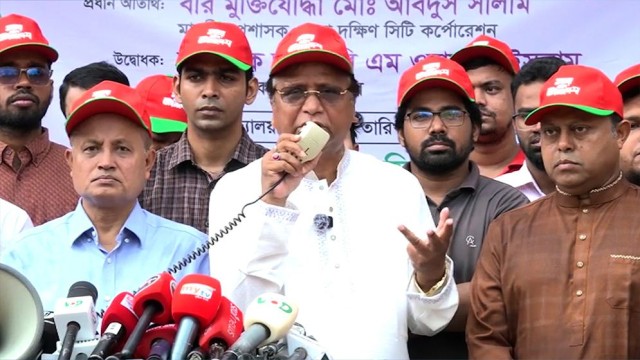
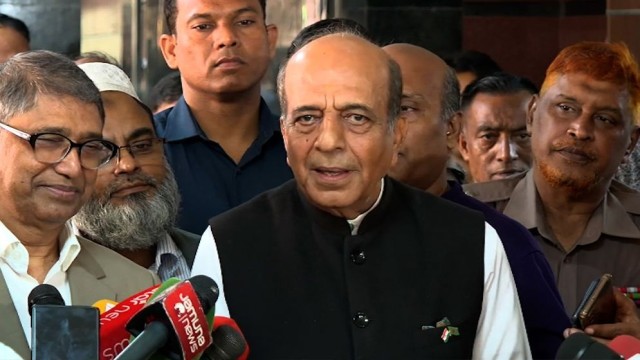
Local Government, Rural Development and Cooperatives Minister and BNP Secretary General Mirza Fakhrul Islam Alamgir said the decision on whether the new president would be a party figure or someone from outside politics would be taken by the party’s policymaking forum. He said the matter would be discussed at a BNP Standing Committee meeting before a final decision is announced. He also clarified that the party has not yet taken any official decision on the issue.
Sources within the party said a delay in reaching a decision could create differences of opinion within the BNP. Divergent statements from party leaders may create political confusion, while opposition parties could use the issue to put pressure on the government. Therefore, maintaining internal consensus has become a major challenge for the party.
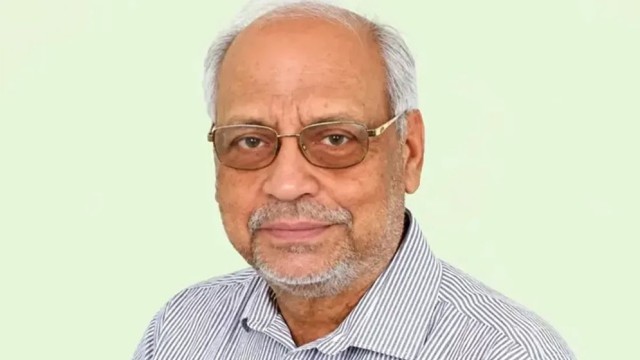
Badiul Alam Majumdar, secretary of Sushashoner Jonno Nagorik (SHUJAN), said it was natural for both domestic and international stakeholders to have interest and expectations regarding the presidential election. However, he stressed that the national interest and public aspirations should remain the priority. According to him, after past controversial experiences, the country needs a president who can serve as a symbol of national unity.
Government sources said that following the presidential vacancy, authorities must simultaneously consider constitutional continuity, political stability, and international relations. Managing political pressure, economic challenges, and misinformation spreading on social media have also become important concerns for the government.
According to Article 123 of the Constitution of Bangladesh, a presidential election must be completed within 90 days after the office becomes vacant. Accordingly, the election is constitutionally required to be held by October 24.
Law Minister Anisul Huq said there has been no need so far to call a special parliamentary session for the election. The government expects that the process can be completed during the next regular session of Parliament.
Political scientist Dr. Mahbub Ullah said that in a parliamentary democracy, the decision of the majority party ultimately influences the presidential election. However, he warned that the presidency has been the subject of political controversy in the past, making transparency and accountability in the election process essential.
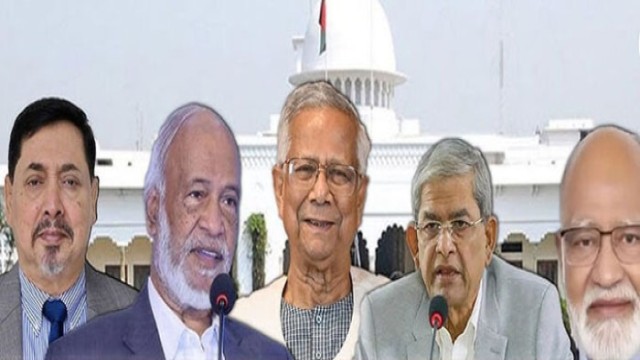
Meanwhile, discussions have already begun over a possible list of presidential candidates. Names reportedly being considered include BNP Secretary General Mirza Fakhrul Islam Alamgir, Dr Khandaker Mosharraf Hossain, Dr Abdul Moyeen Khan, Goyeshwar Chandra Roy, Nazrul Islam Khan, and Begum Selima Rahman. The name of acting President Hafiz Uddin Ahmed is also being discussed prominently.
Several non-political figures have also emerged in discussions. Among them are former Chief Adviser of the interim government Dr Muhammad Yunus, political scientist Dr Mahbub Ullah, former Chief Justice Syed Refaat Ahmed, Cabinet Secretary Nasimul Ghani, and newly appointed Permanent Representative of Bangladesh to the United Nations Irene Khan.
A BNP source said two major viewpoints are being debated within the party: one supporting a political leader and another favouring a non-political, nationally acceptable personality. However, many senior party leaders reportedly lean towards an experienced politician, arguing that political experience has helped previous presidents play a more effective role during periods of national crisis.
BNP Chairperson’s Adviser Syed Moazzem Hossain Alal also supported the view that political experience could be important. He said BNP has experience with both political and non-political presidents. Referring to history, he noted that President Abdur Rahman Biswas was appreciated for handling political challenges, while the country faced serious instability during President Iajuddin Ahmed’s tenure, including the events surrounding the one-eleven crisis. Based on such experiences, he argued that a political figure may be more suitable for the position.
BNP Senior Joint Secretary General Ruhul Kabir Rizvi said maintaining public confidence, addressing political rumours and misinformation, and ensuring the effectiveness of key state institutions would be major responsibilities during the presidential transition. He also stressed the importance of maintaining constitutional neutrality and a balance of power.
Overall, the presidential election has moved beyond the question of simply choosing the next occupant of Bangabhaban. It has become a major test of Bangladesh’s current political direction. While the BNP’s choice will be important, the political message behind that decision will be equally significant.
The final selection will depend on balancing three key factors: party loyalty, national acceptance, and constitutional neutrality. Political observers believe that if the situation becomes complicated, Hafiz Uddin Ahmed could emerge as a compromise candidate. However, the final decision is expected to come from the BNP’s highest policymaking body.
For now, all attention remains focused on one question: who will ultimately walk through the gates of Bangabhaban as Bangladesh’s next president?
END/AJ/SMA/