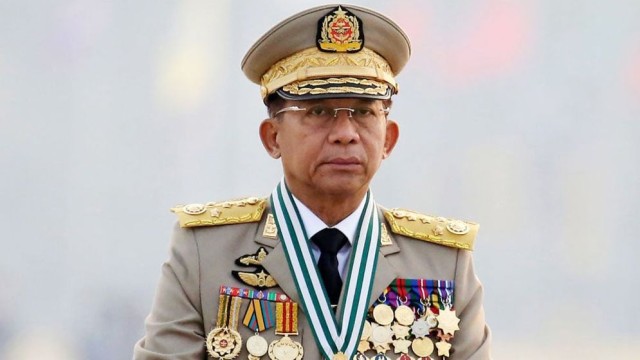
NAYPYIDAW, Apr 03 (V7N) — In a significant consolidation of formal power, Senior General Min Aung Hlaing, the architect of the February 2021 coup, has officially been sworn in as the President of Myanmar. While he has exercised absolute control behind the scenes as the Chairman of the State Administration Council (SAC) for over five years, this move marks his formal transition to the nation’s highest civilian-titled office.
The inauguration comes at a critical juncture for the junta, which is currently facing its most severe existential threat since seizing power from Aung San Suu Kyi’s elected government.
A Presidency Under Siege
Min Aung Hlaing assumes the presidency not from a position of strength, but amidst a series of humiliating territorial losses:
-
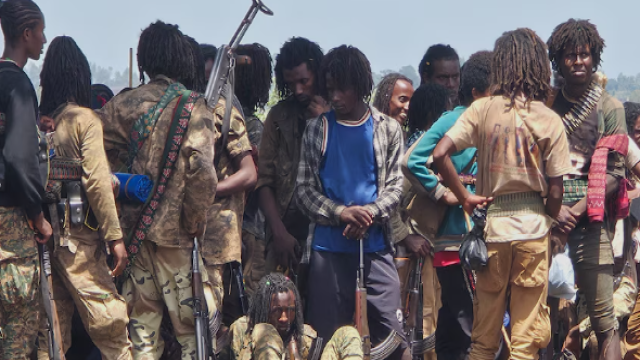
Successive Defeats: The military (Sit-Tat) has lost control of vast swathes of the country’s North (Shan State) and West (Rakhine State) to the "Three Brotherhood Alliance" and various ethnic armed organizations (EAOs).
-
PDF Resistance: The People’s Defence Forces (PDF), the armed wing of the National Unity Government (NUG), have intensified urban guerrilla warfare and rural ambushes, stretching the military’s resources to a breaking point.
-
Internal Pressure: Analysts suggest the formal assumption of the presidency may be an attempt to project stability and "legitimacy" to international allies like Russia and China, even as the junta's administrative grip falters on the ground.
The 2021-2026 Context
Since the 2021 coup, Myanmar has been spiraling into a deep humanitarian and economic abyss:
-
Casualties: Thousands of civilians have been killed in airstrikes and ground massacres conducted by the military.
-
Displacement: Over 3 million people are estimated to be internally displaced (IDPs) due to the scorched-earth tactics used by the junta to reclaim lost territory.
-
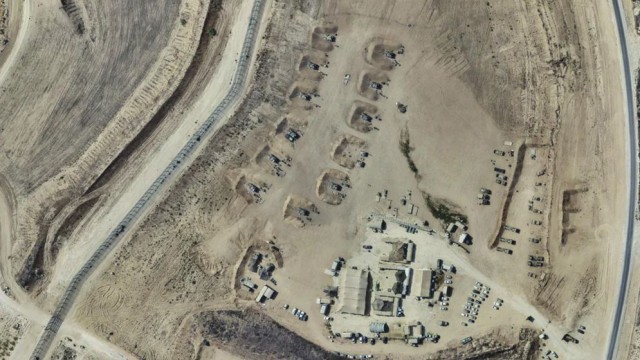
Diplomatic Isolation: Most of the international community, including several members of ASEAN, continues to shun the SAC, though Min Aung Hlaing has maintained close ties with Moscow—as seen by the recent Russian nuclear-capable missile exercises in Siberia today.
Regional Implications
The formalization of Min Aung Hlaing’s power has immediate ramifications for its neighbors:
-
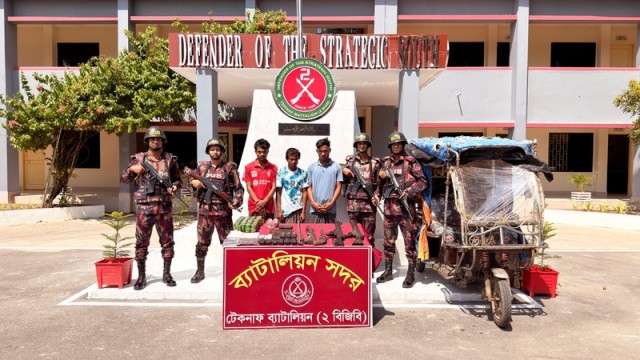
Bangladesh Border: The ongoing conflict in Rakhine State has led to frequent border incursions and a fresh influx of refugees into Bangladesh's Ukhiya and Teknaf regions.
-
China and India: Both nations are closely monitoring the junta’s stability, as their multi-billion dollar infrastructure projects in Myanmar are currently located in zones now controlled by anti-junta rebels.
Strategic Outlook
Despite the "President" title, Min Aung Hlaing’s administration faces a dire economic landscape. With global fuel prices soaring (including the 55% hike in Pakistan) and Western sanctions tightening, the junta’s ability to fund its war machine is under immense pressure.
Opposition leaders from the NUG have dismissed today's swearing-in as a "theatrical performance," vowing to continue the "Spring Revolution" until the military is completely removed from Myanmar’s political landscape.
END/SMA/AJ