


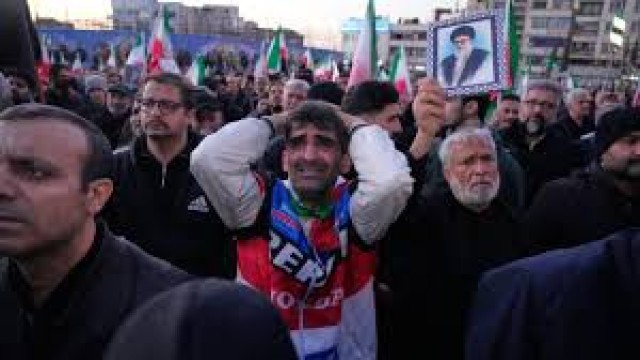
Tehran, Mar 2 (V7N) — Iran has confirmed that Supreme Leader Ali Khamenei was killed in a joint US–Israeli strike in Tehran, triggering nationwide mourning, regional unrest, and sharp global reactions. The unprecedented development marks one of the most consequential moments in Iran’s post-1979 political history.
Nationwide Mourning and Public Outpouring
Iran’s Supreme National Security Council said Khamenei was killed Saturday morning at his office in Tehran. Authorities declared 40 days of state mourning and a seven-day public holiday.
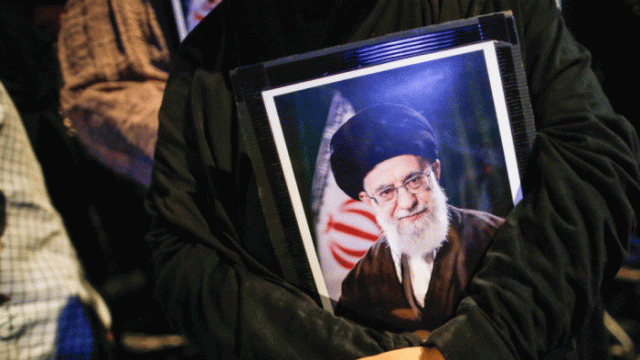
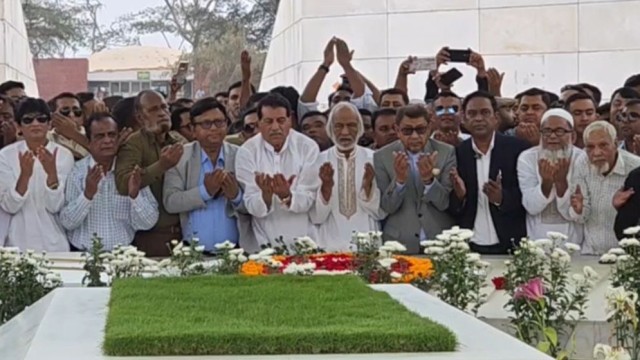
News of his death prompted large gatherings across major cities. The largest assembly took place at Tehran’s Enqelab Square, where hundreds of thousands dressed in black and carried his portraits, chanting anti-US and anti-Israel slogans.
Iranian media outlets including Tasnim News Agency, Mehr News Agency, and Press TV described the 86-year-old leader as having been “martyred” while performing official duties. Reports claim several senior security officials and family members were also killed.
Casualties and Expanding Conflict
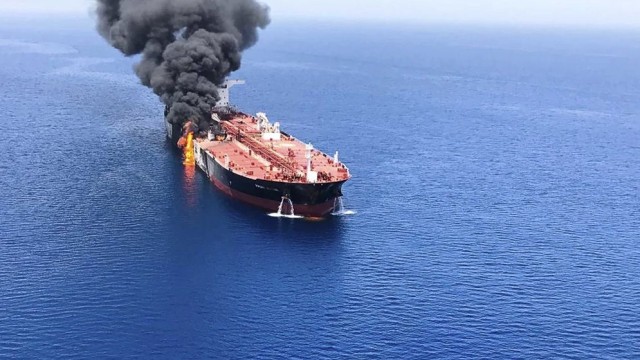
According to BBC and other international outlets, coordinated strikes targeted dozens of sites across Iran. Iranian sources say at least 40 senior officials were killed, while US President Donald Trump claimed the figure was 48.
Among those reported killed are Armed Forces Chief Abdolrahim Mousavi, Defense Minister Aziz Nasirzadeh, IRGC commander Mohammad Pakpour, and senior official Ali Shamkhani.
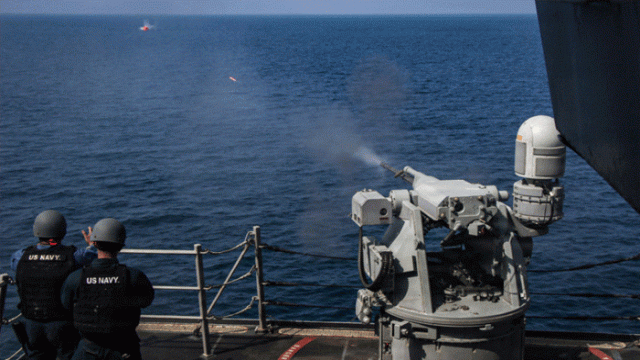
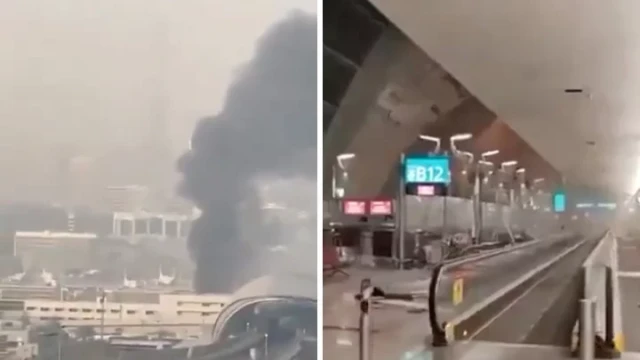
Civilian casualties were also reported, including children killed in attacks on schools. In retaliatory strikes, three US service members and nine Israeli civilians were reportedly killed. Casualties were also reported in the United Arab Emirates and Kuwait.
Israeli Prime Minister Benjamin Netanyahu said there were “clear signs” that Iran’s Supreme Leader was no longer alive and vowed continued strikes on Iranian targets.
International Reaction
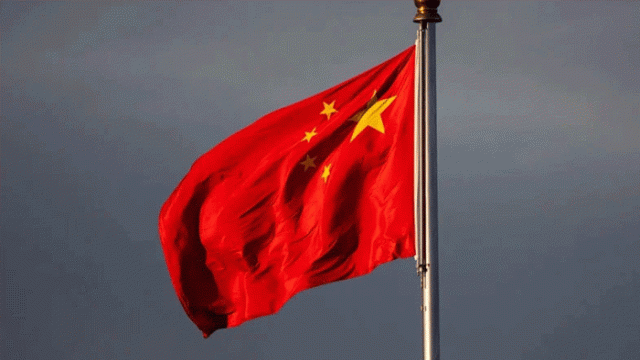
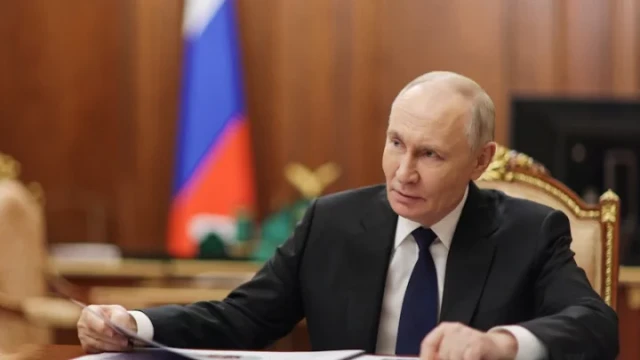
Russian President Vladimir Putin condemned the killing as a “brutal assassination” that violated international law. China’s Foreign Ministry issued a strong condemnation, calling the strike a serious breach of Iran’s sovereignty and urging an immediate halt to military operations.
In India, Prime Minister Narendra Modi has remained publicly silent, while the opposition Congress party denounced the attack. Protests were also reported in Pakistan and other countries.
Interim Leadership and Succession
Following Khamenei’s death, Iran announced the formation of a three-member interim council under Article 111 of the Constitution. The body includes President Masoud Pezeshkian, Judiciary Chief Gholam-Hossein Mohseni-Ejei, and senior cleric Alireza Arafi.
The 88-member Assembly of Experts is expected to select a new Supreme Leader “as soon as possible.” Potential successors reportedly include Mojtaba Khamenei, Hassan Khomeini, and other senior clerics.
Iran’s Foreign Minister Abbas Araghchi said the country would continue along Khamenei’s path and indicated that leadership transition procedures could conclude within days.
A Historic Turning Point
Khamenei, born in 1939 in Mashhad, rose to prominence during the 1979 Islamic Revolution led by Ruhollah Khomeini. After Khomeini’s death in 1989, he became Iran’s Supreme Leader, serving for nearly 37 years as the country’s highest authority and commander-in-chief.
His death represents one of the most significant shocks to Iran’s leadership since the revolution. Analysts warn the crisis could either destabilize the Islamic Republic or consolidate internal unity amid external pressure.
As military operations and diplomatic maneuvering continue, the region stands at a volatile crossroads with uncertain consequences for global security.
END/WD/AJ/





Comment: